
No products in the cart.
Vedder River Salmon: Complete 2026 Guide to Catching Coho, Chinook & Fall Runs on BC’s Premier River
Vedder River salmon fishing represents the pinnacle of Pacific salmon angling in British Columbia. This world-class river hosts all five Pacific salmon species, attracting anglers from across North America seeking trophy Chinook, aggressive Coho, and the incredible fall runs that define BC fishing.
The Vedder River (also known as Chilliwack River) provides year-round salmon fishing opportunities unmatched by any other BC waterway. According to Fisheries and Oceans Canada, the Vedder River system supports some of BC’s healthiest wild salmon populations.
🎣 VEDDER RIVER SALMON PROVEN SOFT BEADS:
✅ Fall Coho Killers – Raspberry, Cerise, Hot Pink (10-12mm)
✅ Trophy Chinook – Methiolate, Blood Red, Orange Pearl (14-16mm)
✅ Sockeye Specialists – Crimson Red, Cherry Red (10-12mm)
✅ All Species – 40+ colours, 6-19mm sizes for every Vedder River salmon scenario
All BeadnFloat soft beads: $7.88/pack | 40+ Colours | Free Shipping $55+
Key Takeaways
- Vedder River salmon runs include all five Pacific salmon species
- Fall Coho fishing (September-November) attracts thousands of anglers
- Spring Chinook runs produce trophy salmon 20+ pounds
- Understanding seasonal timing dramatically improves catch rates
- Proper tackle and techniques essential for Vedder River salmon success
Understanding Vedder River Salmon Runs
Vedder River salmon runs follow predictable seasonal patterns driven by spawning migration. Research from DFO Pacific Region documents decades of run timing data helping anglers plan successful trips.
Species of Salmon in the Vedder River
The Vedder River hosts comprehensive Pacific salmon diversity. According to Fisheries and Oceans Canada assessments, all five species spawn in the Vedder River system.
Vedder River salmon species:
- Chinook Salmon (King): Largest species, spring and fall runs, 15-30+ pounds
- Coho Salmon (Silver): Most popular target, fall runs, 6-12 pounds, aggressive strikes
- Sockeye Salmon (Red): Summer runs, 4-8 pounds, excellent table fare
- Pink Salmon (Humpy): Odd-year runs (abundant every other year), 3-5 pounds
- Chum Salmon (Dog): Fall runs, catch-and-release only, 8-15 pounds
Annual Run Timing Calendar
Understanding Vedder River salmon run timing is critical for fishing success. The DFO salmon return data provides annual forecasts for each species.
| Species | Peak Season | Size Range | Best Techniques |
|---|---|---|---|
| Spring Chinook | April-June | 15-35 lbs | Drift fishing, float fishing |
| Sockeye | July-August | 4-8 lbs | Fly fishing, small lures |
| Pink (odd years) | August-September | 3-5 lbs | Small spoons, soft beads |
| Coho | September-November | 6-12 lbs | Soft beads, spoons |
| Fall Chinook | October-December | 18-25 lbs | Large soft beads, drift |
| Chum | November-December | 8-15 lbs | Catch-and-release only |
Factors Affecting Salmon Movement
Vedder River salmon migration timing varies based on environmental factors. According to University of Victoria salmon research, multiple factors influence run timing.
Key migration factors:
- Water Temperature: Ideal migration temps 8-14°C
- River Flow: Adequate flows trigger upstream movement
- Rainfall Events: Fall rains bring fresh salmon into the river
- Photoperiod: Decreasing daylight triggers spawning migration
- Ocean Conditions: Food availability affects return timing
Essential Gear for Vedder River Salmon Success
Proper tackle selection dramatically impacts Vedder River salmon fishing success. Equipment must handle powerful fish in challenging river conditions.
Rod and Reel Combinations
Vedder River salmon require medium-heavy to heavy action rods capable of handling 15-30 pound fish in strong current. According to Sport Fishing BC guidelines, rod selection should match target species.
Recommended rod specifications:
- Length: 9-11 feet for float fishing and drift presentations
- Action: Medium-heavy for Coho, heavy for Chinook
- Power: Sufficient backbone for turning large fish
- Material: Graphite for sensitivity, composite for durability
Reel requirements:
- Centerpin: Traditional centerpin reels for drift fishing
- Spinning: Quality spinning reels with smooth drag systems
- Line Capacity: Minimum 200 yards of 15-20 lb test
- Drag System: Strong, smooth drag for long runs
Line and Leader Requirements
Proper line selection prevents breakoffs and maximizes presentations. The Vedder River’s varied conditions require versatile line setups.
Line recommendations:
- Main Line: 12-20 lb monofilament or braid
- Leader Material: 10-15 lb fluorocarbon (preferred for clear water)
- Leader Length: 3-5 feet for most applications
- Abrasion Resistance: Critical for rocky Vedder River bottom
BeadnFloat’s Soft Beads Collection
BeadnFloat soft beads are the most effective lure for Vedder River salmon. Field-tested extensively on the Vedder, these beads consistently outperform other methods.
Vedder River salmon soft bead selection:
- Coho Salmon: 10-12mm in Raspberry, Cerise, Hot Pink
- Chinook Salmon: 14-16mm in Methiolate, Blood Red, Orange Pearl
- Sockeye Salmon: 10-12mm in Crimson Red, Cherry Red
- Pink Salmon: 8-10mm in Watermelon, Hot Pink
Top 5 Fishing Spots on the Vedder River
The Vedder River features numerous productive locations for Vedder River salmon fishing. Understanding each location’s characteristics maximizes success.
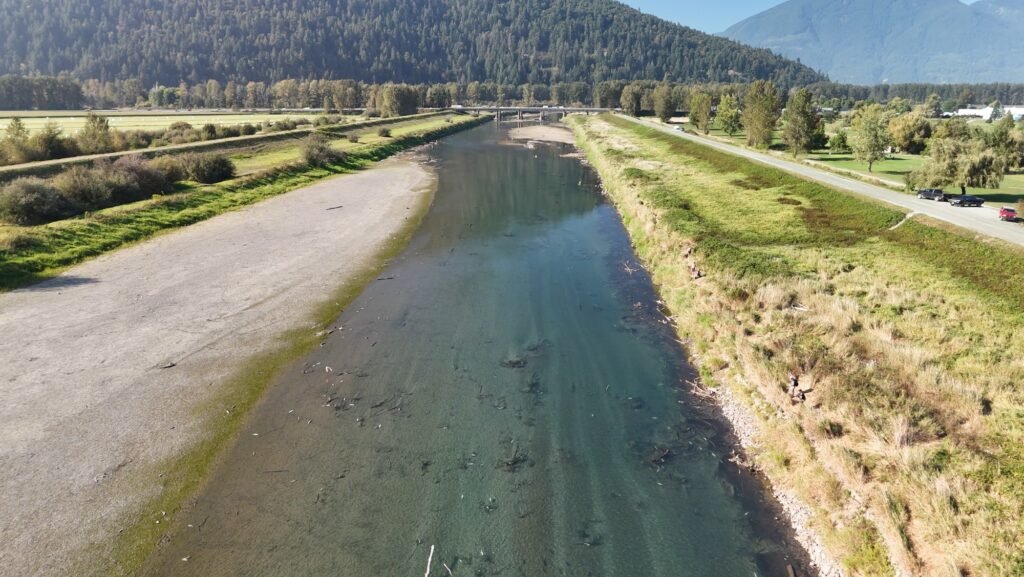
The Vedder Canal
The Vedder Canal offers accessible Vedder River salmon fishing close to Chilliwack. This controlled-flow section concentrates fish during migration periods. According to Metro Vancouver data, the canal provides consistent fishing throughout fall.
Canal fishing features:
- Easy bank access with paved paths
- Concentrated fish during peak runs
- Excellent float fishing water
- High fishing pressure requires early arrival
Tamahi Rapids
Tamahi Rapids represent classic Vedder River salmon water with fast currents, deep pools, and holding water. This section produces trophy Chinook and strong Coho fishing.
The Crossing (Vedder Crossing)
Vedder Crossing provides prime Vedder River salmon fishing access with extensive gravel bars, deep pools, and classic tailouts. This is the river’s most popular and productive section.
Peach Road Access
Peach Road offers multiple access points to productive Vedder River salmon water. The varied structure includes riffles, pools, and gravel bars holding all salmon species.
Keith Wilson Bridge Area
The Keith Wilson Bridge area features deep pools and slower water ideal for Vedder River salmon staging. Fall Coho and Chinook concentrate in this section.
📅 VEDDER RIVER SALMON SEASONAL SUCCESS GUIDE:
🌸 SPRING (April-June) – TROPHY CHINOOK
Target Species: Spring Chinook (15-35 lbs)
Best Locations: Upper river, Tamahi, Vedder Crossing
Top Soft Beads: 14-16mm Methiolate, Orange Pearl
Conditions: High water, stained colour from snowmelt
☀️ SUMMER (July-August) – SOCKEYE & STEELHEAD
Target Species: Sockeye salmon, summer steelhead
Best Locations: Entire river system
Top Soft Beads: 10-12mm Crimson Red, Cerise
Conditions: Low, clear water – use natural colours
🍂 FALL (Sep-Nov) – PRIME COHO & CHINOOK
Target Species: Coho salmon (peak season!), Fall Chinook
Best Locations: All sections, focus on Canal and Crossing
Top Soft Beads: 10-12mm Raspberry, Hot Pink, Cerise
Conditions: Peak season, moderate flows, aggressive fish
❄️ WINTER (Dec-Feb) – LATE CHINOOK & STEELHEAD
Target Species: Late Chinook, winter steelhead
Best Locations: Deep pools, slower water
Top Soft Beads: 8-10mm Flamingo, Pink Copper
Conditions: High water, cold temps – fish deep and slow
Best Techniques for Vedder River Salmon
Successful Vedder River salmon fishing requires mastering multiple presentation techniques. Different conditions and species demand versatile approaches.
Float Fishing with BeadnFloat Products
Float fishing with soft beads dominates Vedder River salmon fishing. This technique allows precise depth control and natural drift presentations that trigger strikes from even selective fish.
Float fishing setup:
- Float: 3-8 gram depending on water speed
- Leader: 3-5 feet fluorocarbon
- Soft Bead: Pegged above barbless hook
- Weight: Split shot 12-18 inches above bead
- Presentation: Natural drift at bottom speed
Bottom Bouncing Methods
Bottom bouncing works exceptionally well for Vedder River salmon in deep pools and strong current. This technique keeps presentations in the strike zone longer.
Spoon and Spinner Tactics
Spoons and spinners remain effective for aggressive Vedder River salmon, particularly Coho during peak fall runs. Hardware creates flash and vibration attracting fish.
Fly Fishing Approaches
Fly fishing for Vedder River salmon requires specialized tackle and techniques. Traditional patterns and modern egg imitations both produce results.
Seasonal Strategies for More Vedder River Salmon Catches
Adapting tactics to seasonal Vedder River salmon patterns dramatically improves success rates. Each season requires specific approaches matching fish behavior.
Summer and Early Fall Chinook Tactics
Spring and summer Chinook salmon fishing on the Vedder River targets trophy fish. According to BC fishing data, spring Chinook average 20-25 pounds with fish over 30 pounds caught regularly.
Spring Chinook strategies:
- Fish deeper pools where Chinook rest
- Use larger soft beads (14-16mm) in bright colours
- Target early morning and late evening periods
- Focus on slower water adjacent to main current
Fall Coho Strategies
Fall Coho salmon fishing represents peak season on the Vedder River. September through November brings massive runs of aggressive, chrome-bright Coho.
Fall Coho tactics:
- Target classic holding water: tailouts, seams, back eddies
- Use 10-12mm soft beads in Raspberry, Cerise, Hot Pink
- Float fish for precise depth control
- Coho are aggressive – expect explosive strikes
Winter Steelhead Crossover Tips
Winter steelhead fishing on the Vedder River provides action when Vedder River salmon runs wind down. Steelhead techniques and salmon methods overlap significantly.
Weather and Water Conditions That Trigger Bites
Understanding how environmental factors affect Vedder River salmon behavior separates successful anglers from the crowd. Fish activity responds directly to changing conditions.
Ideal Water Levels and Clarity
Vedder River salmon fishing success correlates directly with water conditions. According to Environment Canada water data, optimal flows vary by season.
Water level considerations:
- Low Water: Fish are more selective, use smaller beads, natural colours
- Optimal Levels: Moderate flows provide best fishing
- Rising Water: Fresh salmon enter river, active feeding
- High Water: Challenging but rewarding, use larger, brighter beads
Temperature Effects on Feeding Behavior
Water temperature dramatically impacts Vedder River salmon activity. Research from DFO salmon biology studies identifies optimal temperature ranges.
Temperature guidelines:
- 8-14°C: Ideal salmon migration and feeding temperatures
- Below 8°C: Slower metabolism, less aggressive feeding
- Above 16°C: Stress levels increase, reduced activity
Rain Events and Their Impact
Rainfall events significantly influence Vedder River salmon fishing. Fall rains bring fresh salmon into the system and activate previously lethargic fish.
Local Regulations and Ethics for Vedder River Salmon
Understanding and following Vedder River fishing regulations ensures sustainable salmon fishing and protects this world-class resource. Regulations change annually based on salmon return forecasts.
Current Fishing Regulations
Vedder River salmon regulations are established by Fisheries and Oceans Canada and enforced by BC Conservation Officer Service. Always verify current regulations before fishing.
Key regulations:
- Valid BC freshwater fishing license required (all anglers 16+)
- Salmon Conservation Stamp mandatory when retaining salmon
- Barbless single hooks only (no exceptions)
- Species-specific catch limits (check current synopsis)
- Seasonal closures protect spawning salmon
Licensing Requirements
Proper licensing is mandatory for Vedder River salmon fishing. Purchase licenses through the BC Government website or authorized vendors.
Catch and Release Best Practices
Proper catch-and-release techniques ensure Vedder River salmon survival. According to NOAA Fisheries research, proper handling increases survival rates above 95%.
Best practices:
- Fight fish quickly using appropriate tackle
- Keep fish in water during hook removal
- Use barbless hooks (mandatory on Vedder River)
- Never touch gills or squeeze fish
- Revive fish in current before release
Respectful Angler Etiquette
The Vedder River experiences heavy fishing pressure during peak Vedder River salmon runs. Respectful behavior ensures positive experiences for all anglers.
Etiquette guidelines:
- Respect other anglers’ space (minimum 20 feet)
- Don’t crowd productive pools
- Take turns rotating through prime spots
- Pack out all garbage and fishing line
- Report violations to Conservation Officers
Conservation Status and Sustainability
Vedder River conservation ensures this incredible fishery remains productive for future generations. Supporting conservation initiatives protects salmon populations.
Current Population Trends
Vedder River populations remain relatively healthy compared to other BC systems. According to DFO stock assessments, most runs meet escapement targets.
Conservation Challenges
Multiple factors threaten salmon populations. Organizations like the Pacific Salmon Foundation work to address these challenges.
Key threats:
- Habitat degradation from development
- Climate change affecting water temperatures
- Ocean survival rates declining
- Predation pressure (seals, sea lions)
- Fishing pressure during peak runs
How Anglers Can Support Conservation
Vedder River salmon anglers play a crucial role in conservation through responsible practices and supporting conservation organizations.
Conservation actions:
- Practice catch-and-release for wild salmon
- Use eco-friendly tackle like soft beads
- Follow all regulations and seasonal closures
- Support conservation organizations
- Report habitat damage or violations
- Participate in stream cleanup events
DOMINATE VEDDER RIVER SALMON FISHING
You now have complete Vedder River salmon mastery:
- All five salmon species run timing and characteristics
- Top 5 proven locations for consistent success
- Seasonal strategies for spring Chinook, fall Coho, and more
- Expert techniques: float fishing, drift, and soft bead presentations
- Complete regulation knowledge for legal, sustainable fishing
- Conservation practices protecting this world-class resource
Ready to catch more Vedder River salmon?
🎣 BeadnFloat – Vedder River Proven Since Day One
✅ Field-tested by Vedder River guides and experts
✅ Complete size range 6-19mm for all salmon species
✅ 40+ colours: Raspberry, Cerise, Hot Pink, Methiolate in stock
✅ Coho: 10-12mm | Chinook: 14-16mm | Sockeye: 10-12mm
✅ Free shipping $55+ | 30-day returns | $7.88/pack
SHOP VEDDER SALMON BEADS NOW →
Conclusion: Your Vedder River Salmon Success Journey
Vedder River fishing offers world-class angling opportunities unmatched anywhere in British Columbia. From trophy spring Chinook to aggressive fall Coho, the Vedder River provides year-round salmon fishing excitement.
Success requires understanding seasonal run timing, mastering presentation techniques like float fishing with soft beads, and knowing productive locations like Vedder Crossing and Tamahi Rapids. Quality tackle including BeadnFloat soft beads dramatically improves catch rates.
Following current regulations and practicing ethical angling ensures the Vedder River remains productive for future generations. Supporting organizations like the Pacific Salmon Foundation protects this incredible resource.
The Vedder River salmon fishing experience represents the pinnacle of BC angling. Whether targeting spring Chinook, fall Coho, or summer Sockeye, this river delivers consistent action in beautiful settings.
For more BC salmon fishing guides, explore the Fraser River, Harrison River, and Capilano River.
FREQUENTLY ASKED QUESTIONS
Q: When is the best time for Vedder River fishing?
A: Fall (September-November) offers peak Vedder River salmon fishing for Coho salmon. Spring (April-June) produces trophy Chinook. The Vedder River provides year-round salmon opportunities with different species peaking each season.
Q: What size soft beads work best for salmon?
A: Use 10-12mm for Coho and Sockeye, 14-16mm for Chinook, 8-10mm for Pink salmon. Top colours include Raspberry, Cerise, Methiolate. Shop all sizes →
Q: Where are the best spots for Vedder River salmon?
A: Top locations include Vedder Crossing, Tamahi Rapids, Vedder Canal, Peach Road, and Keith Wilson Bridge. Each area offers unique water types holding different salmon species throughout the season.
Q: Do I need a license for Vedder River fishing?
A: Yes. Valid BC Freshwater Fishing License required plus Salmon Conservation Stamp when retaining salmon. Purchase at BC Government website. All anglers 16+ must be licensed.
Q: What are Vedder River catch limits?
A: Catch limits vary by species and change annually. Always check current Vedder River regulations at the BC regulations website before fishing.
Q: Can I keep Chum salmon from the Vedder River?
A: No. Chum salmon are catch-and-release. All Chum must be released immediately using proper handling techniques per DFO regulations.
Q: What’s the difference between spring and fall Chinook?
A: Spring Chinook (April-June) are typically larger (20-35 lbs), chrome-bright fish entering the river fresh from the ocean. Fall Chinook (October-December) are spawning-phase fish, darker in colour but still providing excellent fishing.
Q: How do I fish Vedder River soft beads effectively?
A: Use float fishing techniques with soft bead pegged 1-2 inches above barbless hook. Achieve natural bottom drift in 3-5 feet of water. Match bead size to target species and colour to water clarity.
Q: Are barbless hooks required on the Vedder River?
A: Yes, barbless single hooks are MANDATORY for all Vedder River fishing. This protects fish and improves survival rates for released salmon per BC regulations.
Q: How much do BeadnFloat soft beads cost?
A: All BeadnFloat soft beads are $7.88 per pack in every colour (40+ options) and all sizes (6-19mm). Free shipping on orders $55+ across Canada. Shop now →

About author

Add comment