Capilano River Fishing Regulations: Complete 2026 Guide to Rules, Licenses & Best Practices
December 5, 2025
The Capilano River in North Vancouver is one of Canada's most accessible urban salmon rivers, flowing through the heart of Metro Vancouver before joining the ocean. Its clear waters host all five Pacific salmon species, making it a premier destination for anglers seeking quality fishing close to the city. If you're planning to fish the Capilano River, understanding current fishing regulations is absolutely essential.
We'll cover everything from licensing requirements to catch limits, seasonal restrictions to conservation practices. This comprehensive guide ensures you fish legally while supporting the river's incredible salmon populations.
🐟 CAPILANO RIVER LEGAL SOFT BEADS:
✅ Regulation-Compliant - BeadnFloat soft beads legal in all BC rivers
✅ Clear Water Patterns - Natural colours for Capilano's gin-clear water
✅ All Salmon Species - 8-12mm sizes for Coho, Chinook, Sockeye, Pink
All BeadnFloat soft beads: $7.88/pack | 40+ Colours | Free Shipping $75+
Key Takeaways
- Understand complete BC fishing licensing requirements
- Learn Capilano-specific catch limits and size restrictions
- Discover seasonal closures and protected spawning areas
- Master legal fishing methods and permitted tackle
- Support conservation through responsible angling practices
Understanding the Capilano River Ecosystem
The Capilano River ecosystem is complex and ecologically significant, supporting critical salmon populations in an urban environment. Understanding the river's unique characteristics helps anglers appreciate why regulations exist and how to fish responsibly.
The River's Geography and Fish Species
The Capilano River flows approximately 30 kilometers from its headwaters in the North Shore Mountains to the Pacific Ocean. According to Metro Vancouver, the watershed covers about 208 square kilometers and includes the Capilano Lake reservoir.
The river's varied geography creates diverse habitat:
- Upper River: Steep gradients, cascading pools, pristine wilderness
- Mid River: Moderate gradient, excellent spawning gravel, classic salmon water
- Lower River: Slow pools, urban setting, accessible fishing
- Estuary: Tidal mixing zone, high fish concentrations
All five Pacific salmon species use the Capilano:
- Chinook (Spring/King): April-June, largest salmon
- Sockeye (Red): July-September, schooling fish
- Coho (Silver): September-December, most abundant
- Pink (Humpback): August-October (odd years), smallest salmon
- Chum (Dog): October-December, catch-and-release only
Importance of Conservation in the Capilano Watershed
Conservation is critical for maintaining healthy salmon populations in the urban Capilano watershed.
Key conservation concerns:
- Habitat degradation from urban development
- Water temperature fluctuations due to dam operations
- High fishing pressure from easy accessibility
- Pollution and stormwater runoff impacts
- Climate change affecting flow and temperature patterns
The Capilano Watershed Foundation works to protect and restore habitat, while Metro Vancouver manages watershed access and conservation.
Seasonal Fish Movements and Behaviour
Understanding salmon migration patterns helps anglers target fish legally and effectively. Capilano salmon follow predictable seasonal patterns:
| Species | Peak Run Timing | Key Holding Areas | Spawning Period |
|---|---|---|---|
| Chinook | April-June | Deeper pools, tailouts | Late summer-early fall |
| Sockeye | July-September | Mid-river gravels | Late summer-fall |
| Coho | September-December | Throughout river system | Late fall-early winter |
| Pink | August-October | Lower-mid river | Fall (odd years only) |
Essential Fishing Licenses and Permits for Capilano River
All anglers fishing the Capilano River must possess proper licensing as mandated by British Columbia's Ministry of Environment and Climate Change Strategy. Fishing without valid licenses results in substantial fines.
British Columbia Freshwater Fishing License Requirements
The BC Freshwater Fishing License is mandatory for anyone 16 years or older fishing in the Capilano River. According to BC regulations, license types include:
License categories and fees (2026 rates):
- BC Resident Annual: Required for BC residents, provides year-round access
- BC Resident One-Day: Single-day license for residents
- Non-Resident Annual: Required for Canadian non-residents
- Non-Resident One-Day: Single-day option for non-residents
- Youth License (ages 16-17): Reduced-fee licensing for youth anglers
Licenses are available for purchase through:
- Official BC Government website
- ServiceBC locations
- Authorized sporting goods retailers
- Local tackle shops in North Vancouver
Additional Permits Specific to Capilano River
Beyond the basic freshwater license, Capilano River anglers may require additional permits depending on target species and retention intentions.
Additional licensing requirements:
- Salmon Conservation Stamp: MANDATORY when retaining any salmon species
- Steelhead License: Required if targeting steelhead (classified waters)
- Classified Waters License: May be required for specific river sections
Note: Even if practicing catch-and-release, anglers must possess all required licenses when targeting salmon or steelhead.
Non-Resident Angler Requirements
Non-resident anglers have additional requirements when fishing the Capilano River. Fisheries and Oceans Canada requires all non-residents to:
- Carry valid identification proving residency status
- Purchase appropriate non-resident licenses
- Understand that non-resident licenses have higher fees
- Follow all same regulations as resident anglers
Capilano River Fishing Regulations: Complete Breakdown
Capilano River regulations combine provincial rules with river-specific restrictions. According to BC's Freshwater Fishing Regulations Synopsis, anglers must follow both general and Capilano-specific rules.
General Provincial Regulations Applicable to Capilano
British Columbia's general fishing regulations apply throughout the Capilano River system. Key provincial rules include:
Mandatory provincial requirements:
- Barbless Hooks: Required in most BC salmon waters
- Single Hook Only: Only one hook per line in most areas
- No Fishing From Bridges: Prohibited throughout BC
- Daily Catch Limits: Species-specific limits (see below)
- Possession Limits: Typically equal to daily limits
Capilano-Specific Rules and Restrictions
The Capilano River has additional specific regulations beyond general provincial rules. These DFO-mandated restrictions protect critical salmon habitat and populations.
Capilano-specific regulations:
- Area Restrictions: Certain sections closed year-round (see boundary map)
- Seasonal Closures: Spawning area closures during peak spawning
- Gear Restrictions: Specific tackle limitations in some sections
- Species Restrictions: Some species catch-and-release only
- Hatchery Closure Zone: 100-meter radius around hatchery closed
⚖️ QUICK CAPILANO REGULATIONS CHECKLIST:

✅ REQUIRED BEFORE FISHING:
□ Valid BC Freshwater Fishing License
□ Salmon Conservation Stamp (if retaining salmon)
□ Steelhead License (if targeting steelhead)
□ Current regulations synopsis downloaded
□ Knowledge of closed areas and seasons
🎣 LEGAL TACKLE REQUIREMENTS:
□ Barbless hooks only
□ Single hook per line
□ Legal bait/lure (soft beads approved)
□ No bait during certain periods
□ Proper leaders and line weights
📋 CATCH DOCUMENTATION:
□ Know daily catch limits for each species
□ Understand size restrictions
□ Record catches if mandatory reporting required
□ Follow possession limit rules
VIEW OFFICIAL BC REGULATIONS →
Recent Regulatory Changes
Fishing regulations change regularly based on conservation needs and population assessments. Recent changes affecting the Capilano include:
Recent regulatory updates (always verify current rules):
- Enhanced protection during spawning periods
- Modified catch limits for certain species
- Extended seasonal closures in critical areas
- New reporting requirements for retained fish
Always check the most current BC Freshwater Fishing Regulations Synopsis before each fishing trip, as in-season changes occur.
Indigenous Fishing Rights and Regulations
The Capilano River flows through the traditional territories of the Squamish Nation and Tsleil-Waututh Nation. According to Indigenous Services Canada, First Nations hold constitutionally protected fishing rights.
Important considerations:
- Indigenous food, social, and ceremonial (FSC) fishing has priority
- Different regulations may apply to Indigenous fishers
- Respect cultural fishing practices and traditions
- Support collaborative watershed management efforts
Seasonal Fishing Windows on the Capilano River
The Capilano River offers seasonal fishing opportunities throughout the year, with specific windows for different species. Understanding these seasons is crucial for legal and successful fishing.
Spring Fishing Season (March-June)
Spring brings the first major salmon runs to the Capilano River.
Spring season highlights:
- Chinook Salmon: Peak April-June, largest salmon of the year
- Spring Steelhead: March-May, excellent catch-and-release fishing
- Resident Rainbow Trout: Year-round opportunities
- Water Conditions: Higher flows from snowmelt, cooler temperatures
Best spring soft bead colours for clear water:
- Methiolate (12-14mm) - Natural Chinook egg
- Pink Copper (10-12mm) - Subtle natural tone
- Orange Pearl (12-14mm) - Pearlescent Chinook pattern
Summer Fishing Season (June-August)
Summer brings diverse salmon species and excellent weather conditions. The Metro Vancouver watershed report shows summer as the Capilano's most active period.
Summer season opportunities:
- Late Chinook: June-early July, final spring run fish
- Sockeye Salmon: July-August, schools of bright red fish
- Pink Salmon: August-September (odd years only), abundant
- Water Conditions: Lower flows, warmer temperatures, crystal clear
Fall Salmon Run Season (September-November)
Fall is the Capilano River's premier fishing season, with peak Coho salmon runs attracting anglers from across the region.

Fall season features:
- Coho Salmon: September-December, most abundant species
- Late Pink Salmon: September-October, odd years
- Chum Salmon: October-December, catch-and-release only
- Water Conditions: Fall rains increase flows, slight colour
Top fall Coho soft bead colours:
- Cerise (10-12mm) - Natural pink Coho egg
- Orange Blaze (10-12mm) - High-visibility attractor
- Hot Pink (8-10mm) - Aggressive Coho trigger
Winter Fishing Season (December-February)
Winter fishing on the Capilano offers opportunities for late Coho and winter steelhead. The river's proximity to Vancouver makes it accessible year-round despite winter weather.
Winter season opportunities:
- Late Coho: December, final runs of the season
- Winter Steelhead: December-March, catch-and-release only
- Resident Rainbow Trout: Year-round opportunities
- Water Conditions: Variable flows, cooler temperatures, occasionally off-colour
Catch Limits and Size Restrictions
Catch limits and size restrictions protect Capilano River salmon populations while allowing sustainable harvest.
Species-Specific Catch Quotas
Daily catch limits vary by salmon species on the Capilano River. According to BC fishing regulations, limits are designed to ensure sustainable harvests.
| Species | Daily Limit | Annual Limit | Size Restrictions |
|---|---|---|---|
| Chinook Salmon | Varies by period | Check current regulations | Minimum size restrictions apply |
| Coho Salmon | Check regulations | Check current regulations | Must be adipose fin clipped (hatchery) |
| Sockeye Salmon | Typically catch-and-release | Check current regulations | Variable by season |
| Pink Salmon | Check regulations | Check current regulations | Varies by season |
| Chum Salmon | Catch-and-release ONLY | No retention allowed | N/A - no retention |
CRITICAL: Catch limits change frequently based on population assessments. Always verify current limits in the official BC regulations synopsis before fishing.
Minimum and Maximum Size Requirements
Size restrictions protect both juvenile salmon (allowing them to mature) and large spawning adults.
Understanding size regulations:
- Minimum Sizes: Protect juvenile fish, allow them to spawn at least once
- Maximum Sizes: Protect large spawning adults with high egg production
- Measurement Method: Fork length (nose to center of tail fork)
- Accurate Measurement: Use proper measuring device, round down if borderline
Catch and Release Guidelines
Proper catch-and-release techniques ensure salmon survival when released.
Best practices for catch and release:
- Minimize Fight Time: Use appropriate tackle to land fish quickly
- Keep Fish in Water: Remove hooks while fish remains in water
- Use Barbless Hooks: Makes release faster and less damaging (mandatory on Capilano)
- Wet Your Hands: Prevents removing protective slime coating
- Support Fish Properly: Cradle body, never squeeze or hold by gills
- Revive Before Release: Hold fish facing upstream until it swims away strongly
Recording Your Catch (Mandatory Reporting)
Some fisheries require mandatory catch reporting to track salmon populations. While not currently mandatory on the Capilano, voluntarily reporting catches supports conservation.
Information to record:
- Species caught
- Number caught and retained
- Size of retained fish
- Date and location
- Fishing method used
Permitted Fishing Methods and Gear
The Capilano River allows specific fishing methods designed to minimize harm while providing quality angling. Understanding legal tackle is essential for regulation compliance.
Allowed Fishing Techniques
Multiple fishing techniques are legal on the Capilano River. According to BC regulations, permitted methods include:
Legal Capilano River techniques:
- Float Fishing: Most popular method, allows precise depth control
- Drift Fishing: Effective in faster water, natural presentation
- Fly Fishing: Traditional method, especially effective for steelhead
- Soft Bead Fishing: Highly effective, mimics natural salmon eggs
- Spoon Fishing: Works well for active salmon
Bead Fishing with BeadnFloat Products
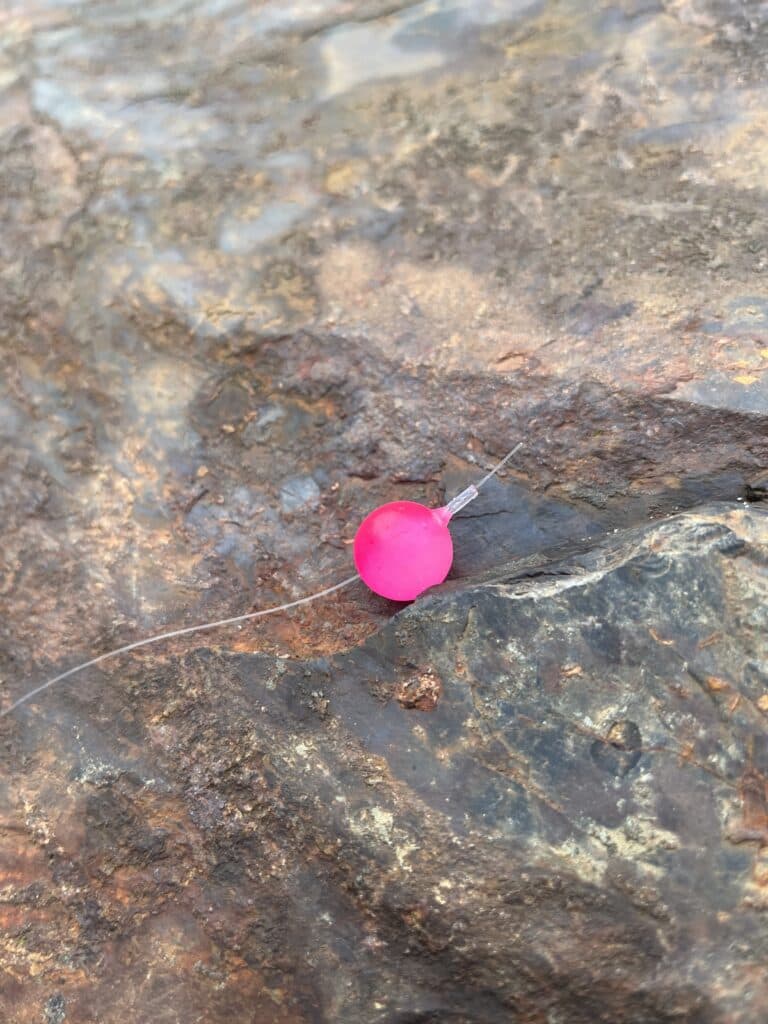
Soft bead fishing is legal and highly effective on the Capilano River. BeadnFloat soft beads provide natural egg appearances that trigger instinctive salmon feeding responses.
Why soft beads work on the Capilano:
- Mimic natural salmon eggs perfectly
- Available in sizes matching local egg sizes (8-12mm ideal)
- Clear water demands realistic presentations—soft beads deliver
- Easy to rig and adjust for changing conditions
- Environmentally friendly alternative to natural roe
Prohibited Equipment and Methods
Certain gear and methods are prohibited on the Capilano River to protect fish populations. BC regulations clearly define illegal equipment.
Prohibited on Capilano River:
- Barbed Hooks: All hooks must be barbless
- Multiple Hooks: Only single hooks allowed per line
- Snagging/Flossing: Fish must voluntarily take the bait/lure
- Nets (except landing nets): No gill nets, cast nets, or seine nets
- Spears: No spearfishing allowed
- Explosives/Poisons: Strictly prohibited
Terminal Tackle Regulations
Terminal tackle rules ensure ethical fishing practices.
Legal terminal tackle requirements:
- Single Barbless Hooks: Mandatory throughout Capilano system
- Leader Material: Any material allowed, fluorocarbon recommended for clear water
- Weights/Floats: Legal, must not damage streambed
- Lures/Beads: Must be attached to single barbless hook
Fishing Boundaries and Restricted Areas
The Capilano River has specific fishing boundaries and restricted areas protecting critical salmon habitat. Understanding these boundaries prevents inadvertent regulation violations.
Accessible Fishing Zones
Several designated areas allow public fishing access. Metro Vancouver and BC Parks manage public access points.
Legal fishing access points:
- Capilano River Regional Park: Lower river access, parking, facilities
- Keith Road Bridge Area: Popular lower river location
- Cleveland Dam Area: Limited access, check current status
- Public Trail Access: Various points along river trail system
No-Fishing Zones and Protected Areas
Certain Capilano River sections are permanently closed to fishing to protect spawning salmon.
Permanently closed areas (no fishing allowed):
- Capilano Salmon Hatchery: 100-meter radius closure around hatchery
- Spawning Channels: All artificial spawning channels closed
- Designated Sanctuary Zones: Marked with signage, year-round closure
- Private Property: No trespassing without explicit permission
Special Regulation Waters
Some Capilano River sections have special regulations beyond standard rules. These special regulation waters require extra attention from anglers.
Capilano River Hatchery Restrictions
The Capilano River Salmon Hatchery operates a critical conservation program. DFO regulations strictly protect the hatchery area to ensure program success.
Hatchery area rules:
- 100-meter radius closure around entire hatchery facility
- No fishing from hatchery property or access areas
- Respect all posted signage and boundary markers
- Violations subject to significant fines
Understanding Closures and Emergency Regulations
Seasonal and emergency closures protect salmon during vulnerable periods.
Seasonal Closure Patterns
The Capilano River implements seasonal closures during peak spawning periods. These closures protect salmon when they're most vulnerable.
Typical seasonal closures (verify current dates):
- Spring Spawning Closure: Protects Chinook spawning areas
- Fall Spawning Closure: Protects Coho, Chum, and late Sockeye
- Winter Protection Closure: Protects winter steelhead spawning
How to Stay Informed About Emergency Closures
Emergency closures can occur with little notice due to conservation concerns or environmental conditions. Anglers must stay informed to avoid violations.
Resources for current closure information:
- DFO Fisheries Notices - Official federal notices
- BC Fish and Wildlife Website - Provincial updates
- Local tackle shop reports - On-the-ground information
- Conservation officer hotline - 1-877-952-7277 (RAPP line)
- BeadnFloat regulations page - Consolidated updates
For how BC’s regulation system works and where to check current limits, see our guide to BC fishing regulations.
Reasons Behind Temporary Restrictions
Temporary closures serve specific conservation purposes. Understanding these reasons helps anglers support sustainable management.
Common reasons for emergency closures:
- Low salmon returns requiring enhanced protection
- High water temperatures threatening fish survival
- Extreme low flows concentrating vulnerable fish
- Disease concerns requiring population monitoring
- Critical spawning period protection
Climate Change Impacts on Regulations
Climate change is increasingly affecting Capilano River salmon and regulations.
Climate-related regulation changes:
- More frequent high-temperature closures
- Adjusted seasonal timing as migration patterns shift
- Enhanced protection during extreme weather events
- Modified catch limits based on population resilience
Penalties and Enforcement of Fishing Violations
Fishing regulation violations on the Capilano River result in substantial penalties. BC Conservation Officers actively enforce regulations to protect salmon populations.
Common Infractions and Associated Fines
Understanding common violations helps anglers avoid costly mistakes. According to BC enforcement data, these are the most frequent infractions:
| Violation | Typical Fine | Additional Consequences |
|---|---|---|
| Fishing without valid license | $230-$575 | Court appearance may be required |
| Exceeding catch limits | $230 per fish over limit | Fishing privileges suspension |
| Using barbed hooks | $230 | Equipment seizure possible |
| Fishing in closed areas | $345-$575 | Court appearance, higher fines |
| Retaining illegal species/sizes | $230-$575 | Equipment seizure, suspension |
Enforcement Authorities and Their Jurisdiction
Multiple agencies enforce fishing regulations on the Capilano River, working collaboratively to protect resources.
Enforcement authorities:
- BC Conservation Officer Service: Provincial regulation enforcement
- DFO Fishery Officers: Federal fisheries enforcement
- Royal Canadian Mounted Police (RCMP): Criminal violations
- Metro Vancouver Rangers: Regional park enforcement
Reporting Violations and Poaching
Public reporting is essential for protecting Capilano River salmon. BC's RAPP line (Report All Poachers and Polluters) accepts anonymous violation reports 24/7.
How to report violations:
- RAPP Line: 1-877-952-7277 (available 24/7)
- DFO Observe, Record, Report: 1-800-465-4336
- Online Reporting: Available through BC government website
- Emergency Violations: Call 911 for immediate threats
FISH CAPILANO RIVER LEGALLY & SUCCESSFULLY
You now have complete Capilano River regulation knowledge:
- Complete licensing and permit requirements
- Species-specific catch limits and size restrictions
- Seasonal closures and protected area boundaries
- Legal fishing methods and tackle regulations
- Conservation best practices for salmon protection
- Enforcement authorities and violation penalties
Fish legally with proven Capilano River soft beads!
🐟 BeadnFloat - Legal & Effective
✅ Regulation-compliant soft beads
✅ Clear water colours: Cerise, Pink Copper, Methiolate
✅ Sizes 8-12mm perfect for Capilano salmon
✅ Tested on Capilano River fish
✅ Free shipping $75+ | 30-day returns
Conclusion: Responsible Angling on the Capilano River
The Capilano River provides exceptional urban salmon fishing opportunities, but success depends on following regulations and practicing conservation-minded angling. By understanding licensing requirements, catch limits, seasonal closures, and legal methods, anglers can enjoy productive fishing while protecting this valuable resource.
Using appropriate gear like BeadnFloat soft beads and following DFO conservation guidelines ensures minimal impact on salmon populations. Respecting closed areas, handling fish properly, and staying informed about current regulations through the official BC regulations website are essential responsibilities for all anglers.
The Capilano River's salmon populations face numerous challenges in an urban environment. By fishing responsibly and supporting conservation efforts through organizations like the Capilano Watershed Foundation, we ensure these incredible fish thrive for future generations.
For more information on BC salmon fishing, explore our guides to other premier rivers including the Fraser, Vedder, and Harrison Rivers.
FREQUENTLY ASKED QUESTIONS
Q: What fishing license do I need for Capilano River?
A: You need a valid BC Freshwater Fishing License plus a Salmon Conservation Stamp if retaining salmon. Purchase through the official BC government website or authorized vendors. Steelhead license required if targeting steelhead.
Q: When is the best time to fish Capilano River for salmon?
A: Fall (September-November) offers peak Coho salmon fishing. Spring (April-June) is excellent for Chinook. Summer brings Sockeye and Pink (odd years). Always check current DFO regulations before fishing.
Q: Are soft beads legal on Capilano River?
A: Yes! Soft beads are completely legal on the Capilano River when rigged on barbless single hooks. They're highly effective and environmentally friendly alternatives to natural roe.
Q: What areas of Capilano River are closed to fishing?
A: The Capilano Salmon Hatchery area (100-meter radius), spawning channels, and designated sanctuary zones are closed year-round. Additional seasonal closures protect spawning salmon. Check the BC regulations synopsis for current closures.
Q: Can I keep Chum salmon from Capilano River?
A: No. Chum salmon are catch-and-release ONLY on the Capilano River. All Chum must be released immediately using proper handling techniques. This regulation is enforced by DFO.
Q: What are the penalties for fishing without a license on Capilano River?
A: Fines range from $230-$575 for fishing without a valid license. Additional penalties may include court appearances, equipment seizure, and fishing privileges suspension. BC Conservation Officers actively patrol the river.
Q: Do I need barbless hooks on Capilano River?
A: Yes, barbless hooks are MANDATORY on the Capilano River for all fishing. This regulation protects salmon and improves survival rates for released fish. Violations result in fines.
Q: Where can I access Capilano River for fishing?
A: Capilano River Regional Park provides the best public access with parking and facilities. Additional access points include Keith Road Bridge area and public trail systems. Respect all posted closures and private property. Metro Vancouver manages public access.
Q: What size soft beads work best on Capilano River?
A: Use 8-10mm for Coho and Pink salmon, 10-12mm for Sockeye, and 12-14mm for Chinook. Clear water demands natural colours like Cerise, Pink Copper, and Methiolate. Shop all sizes →
Q: How much do BeadnFloat soft beads cost?
A: All BeadnFloat soft beads are $7.88 per pack, available in every colour (40+ options) and all sizes (6-19mm). Free shipping on orders $75+ across Canada. Shop now →