How To Fish with Soft Beads: Complete Canadian Guide
May 5, 2025
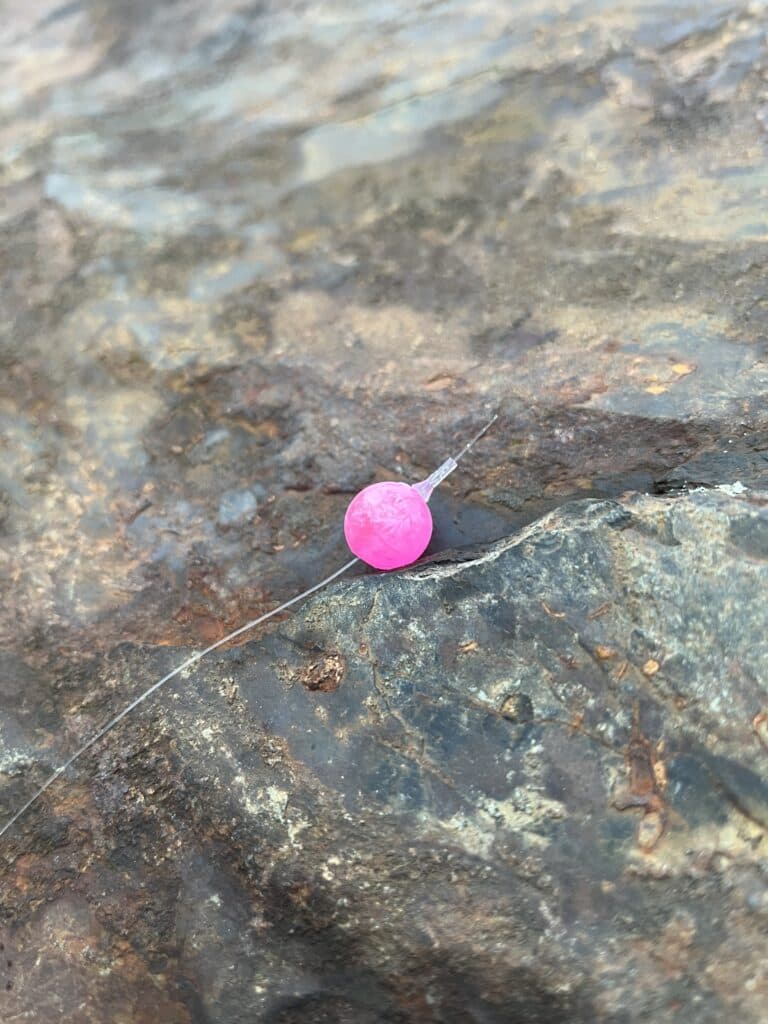
Learning how to fish with soft beads transforms fishing success across Canadian waters. Soft beads mimic natural fish eggs creating irresistible presentations that trigger strikes from salmon, steelhead, and trout. This comprehensive guide covers six proven techniques maximizing effectiveness.
Understanding how to fish with soft beads requires mastering presentation methods, proper rigging, and seasonal adjustments.
🎣 MASTER HOW TO FISH WITH SOFT BEADS:
✅ Dead Drift Technique - 8-10mm Pink, Peach, Cerise (natural flow)
✅ Bounce Bottom Method - 10-14mm Orange, Chartreuse (deep presentations)
✅ Swing & Stop - 6-8mm finesse colours (selective fish)
✅ Float Fishing - 10-12mm all-around colours
✅ Complete Arsenal - 6-19mm range, 40+ proven colours
All BeadnFloat soft beads: $7.88/pack | 40+ Colours | Free Shipping $75+
Key Takeaways
- Six proven techniques cover all fishing scenarios
- Proper rigging essential for natural presentations
- Size and colour selection matches conditions
- Seasonal adjustments maximize effectiveness
- BeadnFloat soft beads provide superior performance
Understanding How To Fish with Soft Beads
Learning how to fish with soft beads begins with understanding why they work. Soft beads replicate natural salmon eggs providing realistic presentations fish cannot resist.
Why Soft Beads Work for Fishing
Soft beads excel through realistic texture, appearance, and movement. Research from Sport Fishing BC demonstrates soft bead effectiveness.
Soft bead advantages:
- Texture: Soft material feels natural when fish mouth
- Retention: Fish hold longer increasing hookup time
- Movement: Drifts naturally mimicking free eggs
- Durability: Maintains shape through multiple catches
- Versatility: Works across multiple techniques
- Scent Compatible: Accepts attractants easily
BeadnFloat Soft Bead Features
BeadnFloat soft beads combine optimal flexibility with exceptional durability. The complete size range (6-19mm) ensures proper match for any fishing scenario when learning how to fish with soft beads.
Key features:
- Precise egg size replication
- Natural buoyancy for proper drift
- Vibrant colour retention
- Easy rigging and pegging
- Multiple finish options (mottled, embryo, solid)
- Proven across BC waters
Technique #1: Dead Drift Method
The dead drift represents fundamental technique when learning how to fish with soft beads. This method presents beads naturally mimicking drifting eggs.
Dead Drift Setup and Execution
Dead drift works best with 8-10mm beads in moderate current. According to Freshwater Fisheries Society of BC, natural presentations trigger most strikes.

Setup requirements:
- Bead Size: 8-10mm primary range
- Leader: 18-24 inches fluorocarbon
- Weight: Minimal shot for natural drift
- Presentation: Drag-free float through strike zone
- Best Colours: Pink, Cerise
Execution steps:
- Position upstream of target water
- Cast allowing bead to sink
- Maintain slack line for natural drift
- Watch line for subtle strikes
- Mend line preventing drag
- Set hook on any hesitation
Technique #2: Bounce Bottom Method
Bounce bottom excels when learning how to fish with soft beads in deeper water. This technique maintains bottom contact triggering strikes from holding fish.
Bounce Bottom Rigging
Use 10-14mm BeadnFloat beads with adequate weight reaching bottom consistently.
Rigging details:
- Bead Size: 10-14mm for visibility
- Weight: Slinky or pencil lead
- Leader: 24-36 inches sturdy fluorocarbon
- Hook: Size appropriate to bead (2/0-4/0)
- Target: Deep pools, holes, tailouts
Execution and Strike Detection
Bounce bottom requires feeling subtle takes through rod tip.
Technique execution:
- Cast upstream allowing sink
- Maintain bottom contact (feel ticking)
- Bounce through productive water slowly
- Watch for line stops or twitches
- Set hook immediately on hesitation
- Works excellently for Chinook salmon
Technique #3: Swing and Stop Approach
Swing and stop creates enticing motion when mastering how to fish with soft beads. This active technique triggers aggressive strikes.
Setup and execution:
- Bead Size: 6-8mm for finesse
- Cast: Quartering downstream
- Swing: Allow current to swing bead
- Stop: Pause creating fall-back motion
- Repeat: Continue swing-stop-swing pattern
- Strike Zone: Often hits during pause
- Species: Steelhead, Coho salmon
Technique #4: Float Fishing with Soft Beads
Float fishing provides visual strike indication when learning how to fish with soft beads. This versatile method works across all water types.
Float fishing advantages:
- Precise depth control
- Visual strike detection
- Natural bead presentation
- Adjustable to conditions
- 10-12mm beads ideal size
- Works Vedder River to small streams
Technique #5: Deep Pool Presentations
Deep pools require specific approaches when understanding how to fish with soft beads. Larger beads and patient presentations produce.
Deep water tactics:
- Bead Size: 14-19mm for weight/visibility
- Sinking: Allow adequate time reaching depth
- Slow Retrieve: Minimal movement maintaining zone
- Structure: Target boulders, ledges, drop-offs
- Species: Lake trout, large Chinook
Technique #6: Active Retrieve Methods
Active retrieves trigger reaction strikes when discovering how to fish with soft beads aggressively.
Active techniques:
- Slow steady retrieve maintaining depth
- Jigging motion (lift-drop)
- Twitching creating erratic movement
- Stop-and-go presentations
- Works for aggressive feeding fish
- Effective during summer salmon runs
| Technique | Best Bead Size | Target Species | Ideal Conditions |
|---|---|---|---|
| Dead Drift | 8-10mm | All salmon, trout | Moderate current |
| Bounce Bottom | 10-14mm | Chinook, steelhead | Deep water |
| Swing & Stop | 6-8mm | Steelhead, Coho | Tailouts, runs |
| Float Fishing | 10-12mm | All species | All water types |
| Deep Pools | 14-19mm | Lake trout, Chinook | Deep holes |
| Active Retrieve | 10-14mm | Aggressive feeders | Active fish |
📅 SEASONAL GUIDE: HOW TO FISH WITH SOFT BEADS YEAR-ROUND

SPRING (MARCH-MAY)
Water: High, stained from runoff
Best Beads: 10-14mm bright colours (Chartreuse, Hot Pink)
Techniques: Bounce bottom, float fishing
Species: Spring Chinook, steelhead
Tips: Target slower edges, increase visibility
SUMMER (JUNE-AUGUST)
Water: Low, clear conditions
Best Beads: 6-8mm natural colours (Pink, Peach, Watermelon)
Techniques: Dead drift, finesse presentations
Species: Resident trout, summer steelhead
Tips: Downsize everything, fish dawn/dusk
FALL (SEPTEMBER-NOVEMBER) ⭐ PEAK SEASON
Water: Variable, often stained
Best Beads: 10-14mm spawn colours (Orange, Pink, Cerise)
Techniques: All methods effective
Species: Chinook, Coho, Chum salmon
Tips: Match egg size/colour, aggressive takes
WINTER (DECEMBER-FEBRUARY)
Water: Cold, slow metabolism
Best Beads: 6-10mm subtle colours
Techniques: Slow dead drift, patient presentations
Species: Winter steelhead, cutthroat
Tips: Slower drifts, deeper water, small sizes
Bead Selection: Size and Colour Guide
Proper selection critical when learning how to fish with soft beads effectively. Matching size and colour to conditions maximizes success.
Size Selection Guidelines
Bead size matching improves presentation realism.
Size recommendations:
- 6mm: Small trout, ultra-clear water
- 8mm: General trout, Pink salmon
- 10mm: All-around salmon/trout size
- 12mm: Coho, steelhead primary
- 14mm: Chinook, large fish
- 16-19mm: Big water, stained conditions
Colour Selection by Water Clarity
Water clarity dictates effective colour choices when mastering how to fish with soft beads.
Clarity-based selection:
- Gin Clear: Natural pink, peach, watermelon
- Slightly Stained: Cerise, peachy keen, pink copper
- Stained: Chartreuse, hot pink, orange blaze
- Very Stained: Glow, clown, extreme visibility
- Low Light: UV colours, glow options
Common Mistakes When Learning How To Fish with Soft Beads
Avoiding errors accelerates skill development when understanding how to fish with soft beads.
Common mistakes:
- Wrong Size: Using oversized beads in clear water
- Poor Rigging: Incorrect bead placement on leader
- Drag: Not achieving natural drag-free drift
- Impatience: Moving presentation too quickly
- Wrong Colour: Not matching water clarity
- Dull Hooks: Not checking hook sharpness
- Bad Leader: Using visible/heavy leader material
MASTER HOW TO FISH WITH SOFT BEADS
You now know complete soft bead fishing:
- 6 proven techniques: dead drift, bounce bottom, swing & stop, float, deep, active
- Proper rigging: leader length, bead placement, weight selection
- Size selection: 6mm-19mm matched to species/conditions
- Colour selection: clarity-based choices maximize visibility
- Seasonal strategies: spring through winter adjustments
- Species-specific: salmon, steelhead, trout applications
- Common mistakes: what to avoid for faster success
Ready to apply these techniques?
🎣 BeadnFloat - 6 Techniques Proven
✅ Dead drift: 8-10mm Pink, Peach, Cerise (natural presentations)
✅ Bounce bottom: 10-14mm Orange, Chartreuse (deep water)
✅ Swing & stop: 6-8mm finesse colours (active fish)
✅ Complete range: 6-19mm, 40+ colours covers all techniques
✅ Free shipping $75+ | 30-day returns | $7.88/pack
Conclusion: Soft Bead Fishing Mastery
Learning how to fish with soft beads opens exceptional fishing opportunities across Canadian waters. Six proven techniques provide versatile approaches matching any condition from spring runoff through winter steelhead seasons.
Success requires proper rigging, appropriate size and colour selection, and technique matching to conditions. BeadnFloat soft beads provide superior performance through optimal texture, durability, and proven colour patterns.
Following current fishing regulations ensures sustainable fisheries. Supporting conservation through Habitat Conservation Trust Foundation protects resources.
Whether targeting salmon in Fraser River tributaries, steelhead in Vedder River, or trout across BC waters, these techniques produce results. Mastering how to fish with soft beads creates consistent success.
FREQUENTLY ASKED QUESTIONS
Q: How do I fish with soft beads for beginners?
A: Start with dead drift technique using 8-10mm pink or peach beads. Rig bead 18-24 inches above hook on fluorocarbon leader. Cast upstream, allow natural drift maintaining slack line. Set hook on any line movement. Practice in moderate current. Drift fishing basics apply.
Q: What size soft beads should I use for salmon?
A: Depends on species. Pink salmon: 8-10mm. Coho: 10-12mm. Chinook: 14-16mm. Chum: 10-12mm. Match natural egg size for species. Stained water can use larger for visibility.
Q: What is the best technique for how to fish with soft beads?
A: Dead drift most versatile and effective. Mimics natural drifting eggs triggering strikes across all species. Works 8-10mm beads in moderate current. Also master bounce bottom for deep water, float fishing for visual detection. Learn multiple techniques for different scenarios.
Q: How do I rig soft beads properly?
A: Peg soft bead 18-24 inches above hook using toothpick or commercial peg. Use fluorocarbon leader 2-4 lb lighter than mainline. Tie quality knots. Add split shot if needed 6-12 inches above bead. Hook size matches bead (size 4-2/0 depending on bead size).
Q: What colours work best when fishing with soft beads?
A: Match water clarity. Clear water: natural pink, peach, watermelon. Slightly stained: cerise, peachy keen. Stained: chartreuse, hot pink, orange blaze. Carry variety adjusting to conditions. Spawn colours work during fall runs.
Q: Can I use soft beads in lakes and still water?
A: Yes! Use slip float setup for depth control. Target structure, drop-offs, weed edges. Slow retrieves or stationary presentations work. Excellent for lake trout using 14-19mm beads. Also effective for stocked trout 8-10mm sizes.
Q: How do soft beads compare to real bait?
A: Soft beads offer advantages: no refrigeration needed, reusable, consistent size/colour, legal where bait banned, cleaner to use, effective presentations. Fish hold soft beads as long as real eggs. Many anglers prefer beads for convenience and effectiveness. Work excellently across Vedder River and tributaries.
Q: When is the best time to fish with soft beads?
A: Fall (September-November) prime during salmon spawning runs. Spring excellent for steelhead and early Chinook. Summer works with finesse (6-8mm). Winter productive for steelhead. Anytime fish feed on eggs soft beads excel. Seasonal patterns vary by location.
Q: Do I need special rods for soft bead fishing?
A: Medium to medium-light action rods 9-10.5 feet work well. Sensitive tip detects subtle strikes. Longer rods help drift control. Centerpin or quality spinning setups both effective. Not absolutely required - standard salmon/steelhead gear works fine.
Q: How many soft beads do I need to start?
A: Start with variety: 8mm, 10mm, 12mm in pink, peach, chartreuse, orange covers most scenarios. Add 6mm for clear water, 14-16mm for Chinook. BeadnFloat packs $7.88 each. Recommend 3-5 packs different sizes/colours building complete arsenal over time.