
No products in the cart.
Best Tasting Fish in Canada: Complete Angler’s Guide
When anglers ask about the best tasting fish in Canada, the answer reveals exceptional diversity across the country’s vast waters. From freshwater gems like Walleye and Arctic Char to coastal treasures including Pacific Halibut and Atlantic Salmon, Canadian anglers enjoy some of the world’s finest catch-to-table opportunities.
Identifying the best tasting fish in Canada requires understanding species characteristics, seasonal timing, habitat influences, and proper preparation techniques. According to Fisheries and Oceans Canada, sustainable fishing practices ensure these premium species remain abundant for future generations.
🎣 CATCH CANADA’S BEST TASTING FISH WITH BEADNFLOAT:
✅ Freshwater Premium Species – Walleye, Trout, Perch (6-10mm natural beads)
✅ Salmon (All Species) – Chinook, Coho, Atlantic (10-16mm size range)
✅ Arctic Char & Lake Trout – 10-14mm (deep water presentations)
✅ Clear Water Finesse – 6-8mm Pink, Peach, Watermelon
✅ Complete Arsenal – 6-19mm range, 40+ proven colours
All BeadnFloat soft beads: $7.88/pack | 40+ Colours | Free Shipping $55+
Key Takeaways
- Canada offers diverse premium eating fish across all regions
- Freshwater species like Walleye rank among world’s finest
- Coastal Pacific and Atlantic species provide exceptional quality
- Northern Canada produces unique cold-water delicacies
- Proper catching and handling preserves superior taste
What Makes a Fish Truly Delicious?
Understanding fish quality involves multiple factors beyond species alone. Habitat, diet, water quality, and handling all influence final taste.
Flavor Profiles and Texture Considerations
Fish flavor ranges from mild and delicate to rich and pronounced. Texture varies from flaky and tender to firm and meaty. These characteristics determine cooking methods and culinary applications.
Flavor profile factors:
- Fat Content: Higher fat provides richer taste (salmon, char)
- Diet: Natural food sources influence flavor complexity
- Water Temperature: Cold water generally produces firmer flesh
- Species Characteristics: Inherent flavor varies significantly
- Age and Size: Younger fish often have milder, sweeter taste
- Water Quality: Clean environments produce better tasting fish
The Impact of Habitat and Diet on Taste
Fish habitat profoundly affects taste quality. Research from Freshwater Fisheries Society of BC demonstrates habitat’s influence on fish quality. Studies from University of Victoria confirm water quality impacts fish flavor.
Habitat influences:
- Clean, cold water produces superior tasting fish
- Natural diet diversity creates complex flavors
- Pristine Canadian waters yield exceptional quality
- Seasonal feeding patterns affect fat content
- Wild fish typically taste better than farmed
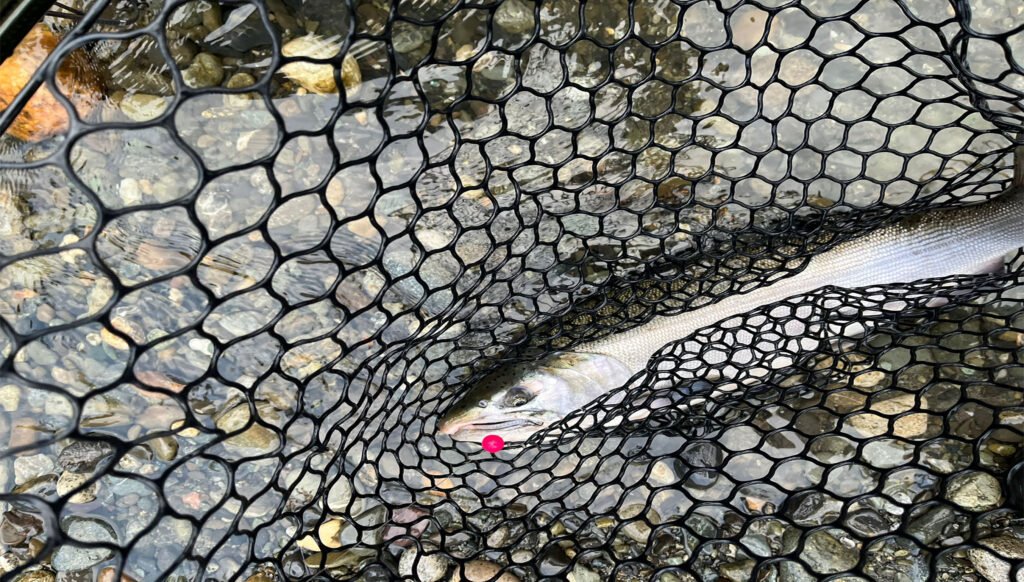
Top Freshwater Delicacies
Canadian freshwater fisheries produce world-class eating fish, with several species consistently ranking among the best tasting fish in Canada. Understanding top species helps anglers target premium table fare across lakes, rivers, and streams nationwide.
Walleye: Canada’s Freshwater Crown Jewel
Walleye consistently ranks as the best tasting fish in Canada for freshwater anglers. The firm, white meat and mild, sweet flavor make it exceptionally versatile in the kitchen, earning its reputation as Canada’s premier eating fish. Similar quality standards apply to other BC fishing targets.
Walleye characteristics:
- Flavor: Mild, sweet, delicate taste
- Texture: Firm, flaky white meat
- Best Size: 15-20 inches ideal for eating
- Preparation: Pan-frying, baking, grilling all excellent
- Catching: Drift fishing with 6-8mm pink or peach beads effective
- Seasons: Spring and fall provide peak fishing
- Tackle: Light to medium centerpin or spinning setups
Yellow Perch: Small Fish with Big Flavor
Yellow Perch deliver exceptional taste despite smaller size. The sweet, nutty flavor and tender meat make them highly prized. According to Sport Fishing BC, perch provide excellent panfish opportunities. Similar finesse techniques work across small species.
Yellow Perch details:
- Flavor: Sweet, slightly nutty
- Texture: Tender, flaky
- Best Size: 8-10 inches optimal
- Preparation: Deep frying traditional and delicious
- Catching: Small jigs, 6mm watermelon or pink beads work well
- Seasons: Ice fishing produces excellent catches
- Similar Species: Techniques apply to other panfish
Northern Pike: Underrated Table Fare
Northern Pike suffer undeserved reputation as poor eating. Proper preparation reveals mild, lean meat perfect for various cooking methods. Many Fraser River anglers target pike for table.
Northern Pike qualities:
- Flavor: Mild, lean taste
- Texture: Firm, slightly chewy
- Best Size: Under 24 inches preferred (Y-bones less prominent)
- Preparation: Grilling, baking work excellently
- Catching: Soft beads effective near weed beds
- Note: Proper filleting removes Y-bones
- Locations: Vedder River and tributaries hold pike
| Freshwater Species | Flavor Profile | Best Preparation | Eating Quality |
|---|---|---|---|
| Walleye | Mild, sweet | Pan-frying, baking | Exceptional (9/10) |
| Yellow Perch | Sweet, nutty | Deep frying | Excellent (8/10) |
| Northern Pike | Mild, lean | Grilling, baking | Very Good (7/10) |
| Lake Trout | Rich, oily | Smoking, grilling | Excellent (8/10) |
Coastal Treasures Worth Catching
Canada’s Pacific and Atlantic coasts produce world-renowned eating fish, with Pacific Halibut and wild salmon consistently ranking among the best tasting fish in Canada. These species represent pinnacle catch-to-table experiences. Similar quality found in summer BC waters.
Pacific Halibut: The Steak of the Sea
Pacific Halibut earns “steak of the sea” designation through exceptional meat quality. The firm, dense flesh and mild flavor make it restaurant favorite. According to NOAA Fisheries, Pacific Halibut represents sustainable seafood choice.
Pacific Halibut excellence:
- Flavor: Mild, slightly sweet
- Texture: Firm, dense, meaty
- Best Size: 20-40 pounds ideal (regulations vary)
- Preparation: Grilling, pan-searing, baking all superb
- Catching: Deep water fishing Pacific coast
- Seasons: Summer provides peak opportunities
- Similar Quality: Chinook salmon comparable firmness
Atlantic Salmon: Iconic Canadian Delicacy
Atlantic Salmon represents Canadian fishing heritage. The rich, oily meat and distinctive flavor make it globally recognized. Research from DFO Pacific emphasizes sustainable salmon fisheries importance. Coho salmon offers similar eating quality.
Atlantic Salmon qualities:
- Flavor: Rich, fatty, distinctive
- Texture: Firm, flaky
- Preparation: Grilling, smoking, poaching excellent
- Catching: 12-14mm salmon beads effective
- Omega-3: Exceptional health benefits
- Note: Wild Atlantic salmon rare – most farmed
- Techniques: Similar to Vedder River salmon fishing
Pacific Salmon Species
Pacific salmon varieties each offer unique eating qualities. Chinook (King), Coho (Silver), and Sockeye provide premium table fare. Chum and Pink salmon also excellent prepared properly.
Pacific salmon comparison:
- Chinook: Highest fat content, richest flavor (14-16mm beads)
- Coho: Medium fat, excellent all-around (10-12mm beads)
- Sockeye: Deep red color, firm texture
- Pink: Milder flavor, good canned (8-10mm beads)
- Chum: Leaner, excellent smoked (10-12mm beads)
- Locations: Fraser River, Nicomen Slough, coastal streams
🏆 CANADIAN FISH EATING QUALITY RANKINGS:
TIER 1: EXCEPTIONAL (World-Class Table Fare)
1. Walleye – Freshwater king, mild perfection
2. Pacific Halibut – Firm, meaty, versatile
3. Arctic Char – Rich, salmon-like, unique
4. Chinook Salmon – Highest fat, richest flavor
Catching: 10-14mm soft beads, proper drift presentations
TIER 2: EXCELLENT (Premium Quality)
5. Lake Trout – Rich, oily, excellent smoked
6. Coho Salmon – Medium fat, great all-around (Norrish Creek prime)
7. Yellow Perch – Sweet, delicate, panfish classic
8. Whitefish – Mild, versatile, underrated
Catching: Variable sizes 6-14mm depending on species
TIER 3: VERY GOOD (Quality Table Fare)
9. Northern Pike – Lean, mild (proper preparation key)
10. Sockeye Salmon – Firm, flavorful
11. Rainbow Trout – Delicate, classic
12. Brook Trout – Sweet, traditional favorite
Note: All require proper handling for best quality
Northern Canadian Specialties
Canada’s northern waters produce unique cold-water species unavailable elsewhere. These fish represent truly special catch-to-table experiences. Quality rivals coastal Chilliwack River salmon.
Arctic Char: A Delicacy from the North
Arctic Char ranks among the best tasting fish in Canada, prized for its rich, salmon-like flavor combined with beautiful orange-pink flesh. This northern specialty creates exceptional dining experience unavailable in most regions. According to NOAA Fisheries, cold-water species develop superior fat content.
Arctic Char excellence:
- Flavor: Rich, between salmon and trout
- Texture: Firm, meaty
- Color: Beautiful orange-pink flesh
- Preparation: Grilling, baking, smoking all excellent
- Catching: Deep water, 10-12mm beads effective
- Seasons: Ice-out and fall prime times
Lake Trout: A Treasure from Deep Waters
Lake Trout provide rich, oily meat perfect for smoking and grilling. The deep, cold habitat produces firm flesh and complex flavor.
Lake Trout qualities:
- Flavor: Rich, oily, pronounced
- Texture: Firm, slightly coarse
- Best Size: 3-10 pounds ideal eating
- Preparation: Smoking traditional, grilling excellent
- Catching: Deep presentations, trolling effective
- Note: Larger fish can be very oily
- Beads: 10-14mm orange, chartreuse deep water
Whitefish: Versatility on the Plate
Whitefish offers mild, flaky meat suitable for countless preparations. This underappreciated species deserves recognition as premium table fare. According to Great Lakes Commission, whitefish represents important commercial and recreational fishery. Similar mild flavor to Norrish Creek resident trout.
Whitefish characteristics:
- Flavor: Mild, sweet, delicate
- Texture: Flaky, tender
- Preparation: Baking, frying, smoking all work
- Catching: Bottom fishing, small presentations
- Commercial: Popular smoked fish
- Versatility: Accepts many flavor profiles
Seasonal Fishing for Optimal Flavor
Seasonal timing significantly impacts fish eating quality, making it crucial to understand when the best tasting fish in Canada reach peak condition. Understanding when species taste best maximizes culinary success throughout the year.
Prime Catches of Spring and Summer
Spring and summer provide excellent opportunities for premium eating fish. Water warming triggers feeding activity improving flesh quality. Research from Environment and Climate Change Canada tracks seasonal fish patterns.
Spring/summer prime species:
- Walleye: Spring spawning period (pre-spawn best eating)
- Pacific Halibut: Summer peak season
- Yellow Perch: Late spring excellent
- Rainbow Trout: Early season prime
- Catching: Spring techniques vary by species
- Locations: Vedder River, coastal waters productive
Fall and Winter Fishing for Flavor
Fall and winter fish often have peak fat content preparing for spawning or winter. This creates exceptional eating quality. Vedder River fall fishing produces premium salmon.
Fall/winter excellence:
- Lake Trout: Fall spawning fish in prime condition
- Arctic Char: Fall pre-spawn exceptional
- Salmon: Early fall (before spawn deterioration)
- Ice Fishing: Winter perch, whitefish excellent
- Note: Avoid spawning fish (quality declines)
Fishing Techniques for Premium Species
Proper fishing techniques ensure successful catches while maintaining fish quality for table. Using appropriate methods for the best tasting fish in Canada preserves meat quality from hook to plate.
Using BeadnFloat Soft Beads for Trout and Salmon
BeadnFloat soft beads excel for catching premium eating fish. Natural presentations trigger strikes while minimizing handling damage.
Bead fishing advantages:
- Barbless hooks easier removal (less damage)
- Natural drift presentations effective
- Multiple species respond well
- Size selection matches target fish
- Gentle hooksets preserve meat quality
Species-Specific Techniques
Different species require tailored approaches maximizing catch success and meat quality.
Technique summary:
- Walleye: Jigging, drift fishing with 6-8mm beads
- Lake Trout: Deep trolling, vertical jigging
- Salmon: 10-14mm beads, drift presentations
- Perch: Small jigs, 6mm beads effective
- Arctic Char: Spoons, 10-12mm beads deep water
From Water to Plate: Preparation Methods
Proper handling and preparation preserves fish quality from catch through cooking. According to BC Ministry of Environment, proper fish handling ensures food safety.
Proper Cleaning and Filleting Techniques
Immediate proper cleaning maintains optimal freshness and flavor. Clean technique prevents contamination and preserves meat quality.
Cleaning process:
- Bleed fish immediately after catch when possible
- Keep fish cool (ice or live well)
- Clean as soon as practical
- Remove scales, gills, innards carefully
- Rinse thoroughly with clean water
- Pat dry before storage
Filleting best practices:
- Use sharp knife for clean cuts
- Work on clean surface
- Follow bone structure carefully
- Remove bloodline for milder flavor
- Skin on or off depends on species and preparation
- Remove pin bones with pliers
Storage and Preservation Methods
Proper storage maintains eating quality. Fresh fish deteriorates quickly requiring careful handling. Food safety guidelines from Health Canada emphasize proper fish storage importance.
Storage options:
- Refrigeration: 1-2 days maximum (ice packed)
- Freezing: Vacuum seal best, 3-6 months quality
- Smoking: Traditional preservation, adds flavor
- Canning: Long-term storage option
- Curing: Gravlax-style preparations
Simple but Delicious Canadian Fish Recipes
Canadian fish excel with simple preparations highlighting natural flavors.
Pan-Seared Walleye with Lemon Butter:
- Dust fillets with seasoned flour
- Pan-sear in butter 3-4 minutes per side
- Finish with lemon butter sauce
- Garnish with fresh parsley
Grilled Pacific Halibut:
- Brush steaks with olive oil
- Season with salt, pepper, herbs
- Grill over medium-high heat 4-5 minutes per side
- Serve with fresh salsa or aioli
Smoked Lake Trout:
- Brine fillets overnight (salt, sugar, spices)
- Air dry until pellicle forms
- Smoke at 180-200°F until done
- Enjoy on crackers or bagels
Beer-Battered Yellow Perch:
- Make beer batter (flour, beer, seasonings)
- Dip fillets in batter
- Deep fry at 375°F until golden
- Serve with tartar sauce and fries
Conservation and Sustainable Practices
Protecting Canadian fish populations ensures future availability of premium eating species. According to Habitat Conservation Trust Foundation, sustainable practices benefit everyone.
Catch and Release vs. Harvest Decisions
Ethical anglers balance keeping fish for table with conservation responsibilities.
Harvest considerations:
- Keep only what you will eat
- Follow size and bag limits strictly
- Release trophy fish (breeding stock)
- Practice selective harvest
- Support catch-and-release fisheries
- Choose abundant species when possible
Respecting Fishing Regulations
Regulations protect fish populations and ensure sustainable fisheries. According to BC fishing regulations, compliance is mandatory.
Regulation compliance:
- Valid fishing license required
- Know species-specific limits
- Understand size restrictions
- Respect seasonal closures
- Follow gear restrictions
- Report violations when observed
CATCH CANADA’S BEST TASTING FISH
You now have complete knowledge:
- Top eating fish: Walleye, Halibut, Arctic Char, Salmon
- Regional specialties: Freshwater, coastal, northern
- Seasonal timing: When species taste best
- Catching techniques: Species-specific approaches
- Preparation methods: Cleaning, filleting, cooking
- Conservation practices: Sustainable fishing
- Simple recipes: Restaurant-quality at home
Ready to catch premium eating fish?
🎣 BeadnFloat – Premium Fish Proven
✅ Walleye & Perch: 6-8mm Pink, Peach (finesse presentations)
✅ Salmon (all species): 10-16mm Chartreuse, Orange, Pink
✅ Arctic Char & Lake Trout: 10-14mm deep water colours
✅ Complete species coverage: 6-19mm range, 40+ colours
✅ Free shipping $55+ | 30-day returns | $7.88/pack
Conclusion: Enjoying Canada’s Aquatic Bounty
The best tasting fish in Canada range from Walleye’s freshwater perfection to Pacific Halibut’s meaty excellence, with Arctic Char and wild salmon providing exceptional quality across all regions. Canadian anglers enjoy world-class catch-to-table opportunities unavailable in most countries.
Success targeting the best tasting fish in Canada requires understanding species characteristics, seasonal timing, and proper techniques. BeadnFloat soft beads provide effective presentations for premium species while supporting sustainable fishing through gentle catch and release when appropriate.
Proper handling from catch through cooking preserves superior taste. Following fishing regulations and practicing ethical harvest ensures these resources remain abundant. Supporting conservation through organizations like the Pacific Salmon Foundation protects fish populations.
Whether targeting Walleye in BC waters, Arctic Char in northern lakes, or salmon in Fraser River tributaries, Canadian fishing offers unmatched culinary rewards. Combining proper technique, sustainable practices, and simple preparation creates memorable dining experiences from personally caught fish.
FREQUENTLY ASKED QUESTIONS
Q: What is the best tasting freshwater fish in Canada?
A: Walleye consistently ranks as the best tasting fish in Canada for freshwater anglers. Mild, sweet flavor and firm white meat make it exceptionally versatile. Yellow Perch close second for sweet, delicate taste. Arctic Char (technically anadromous) rivals salmon for rich flavor. All excel with simple preparations highlighting natural taste.
Q: Which Canadian salmon tastes best?
A: Chinook (King) salmon has highest fat content creating richest flavor – considered best eating by many. Coho excellent all-around choice with medium fat. Sockeye prized for firm texture and deep color. Atlantic salmon (mostly farmed) has consistent quality. Wild Chinook generally preferred by gourmets.
Q: How do I catch Walleye for eating?
A: Walleye respond well to drift fishing with 6-8mm pink or peach beads. Fish early morning or evening when active. Target 15-20 inch fish (best eating size). Spring pre-spawn and fall provide peak opportunities. Keep fish cool immediately after catch.
Q: What size fish taste best?
A: Medium-sized fish generally taste best. Walleye 15-20 inches ideal. Pike under 24 inches (less bony). Salmon 8-15 pounds. Perch 8-10 inches. Lake Trout 3-10 pounds. Very large fish can be coarse or overly oily. Very small fish lack meat. Middle range provides optimal eating quality.
Q: How should I store fresh caught fish?
A: Keep fish cool immediately (ice or live well). Clean as soon as practical. Refrigerate 1-2 days maximum packed in ice. For longer storage, vacuum seal and freeze (3-6 months quality). Avoid freezer burn. Thaw slowly in refrigerator. Never refreeze thawed fish.
Q: What cooking method works best for Canadian fish?
A: Depends on species. Walleye excellent pan-fried. Pacific Halibut perfect grilled. Lake Trout ideal smoked. Salmon versatile (grill, bake, poach). Yellow Perch traditional deep fried. General rule: Don’t overcook – fish done when flakes easily. Simple preparations best highlight natural flavors.
Q: Can I eat Northern Pike?
A: Yes! Pike makes excellent table fare despite reputation. Key is proper preparation removing Y-bones. Fish under 24 inches have less prominent bones. Meat is lean, mild, firm. Excellent grilled or baked. Don’t judge until properly prepared. Many regions consider pike premium eating.
Q: What’s the difference between wild and farmed fish taste?
A: Wild fish typically have more complex flavor from natural diet. Firmer texture from swimming. Farmed fish more consistent quality but can taste bland. Wild salmon distinctly superior to farmed. Exception: Some farmed Arctic Char excellent quality. Wild fish generally preferred when available and sustainable.
Q: Should I keep or release trophy fish?
A: Release trophy fish – they’re prime breeding stock. Large fish also past peak eating quality (coarser meat). Take photos, measurements, then release. Keep medium-sized fish for eating. This selective harvest supports healthy populations while providing excellent table fare. Practice conservation with catch decisions.
Q: How do seasonal patterns affect fish taste?
A: Fish taste best before spawning when fat content peaks. Spring and fall often prime depending on species. Avoid spawning fish (quality deteriorates). Summer good for many species. Winter ice fishing produces excellent perch and whitefish. Seasonal timing crucial for optimal eating quality.

About author

Add comment