Chinook Salmon Fraser River: Complete Guide to King Salmon Fishing Hotspots & Techniques (2026)
October 12, 2025
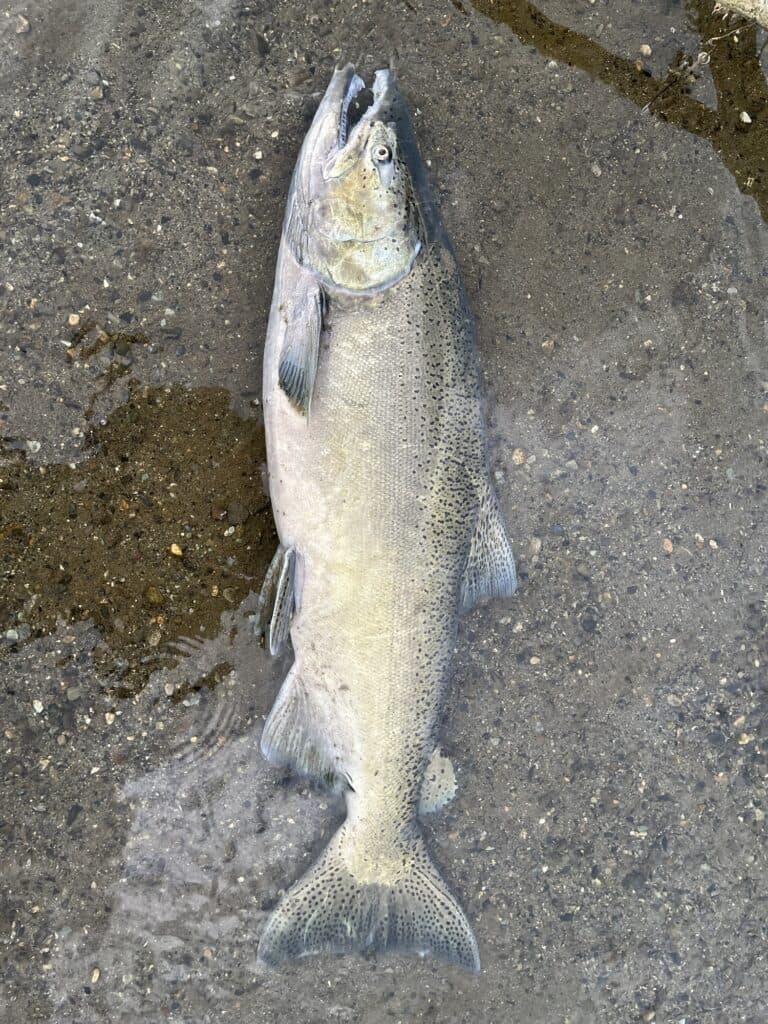
Fishing for Chinook salmon in the Fraser River represents one of Canada's premier angling experiences. This legendary river system draws anglers from across North America seeking powerful trophy King salmon in spectacular British Columbia settings.
The Fraser River's pristine waters combined with healthy wild Chinook populations create unforgettable fishing adventures.
🎣 FRASER RIVER CHINOOK PROVEN SOFT BEADS:
✅ Fraser King Killers - Blood Red, Orange Pearl, Chartreuse (14-16mm)
✅ Stained Water Bright - Hot Pink, Orange Blaze (16mm primary)
✅ Clear Tributary - Methiolate, Watermelon Mottled (12-14mm)
✅ High Water Monster - 19mm maximum visibility
✅ Complete Fraser Range - 6-19mm all conditions covered
All BeadnFloat soft beads: $7.88/pack | 40+ Colours | Free Shipping $75+
Key Takeaways
- Fraser River offers world-class Chinook salmon fishing
- Peak season runs June through September
- Top 5 hotspots provide accessible trophy fishing
- BeadnFloat soft beads excel in Fraser conditions
- Understanding regulations ensures ethical fishing
Current Fraser River Conditions for Chinook Fishing
The Fraser River's dynamic conditions change throughout the season. Staying informed about current water levels and temperatures maximizes fishing success.
Water Levels and Temperature
Water conditions dramatically impact Chinook behaviour.
Ideal conditions:
- Temperature Range: 12-16°C optimal for feeding
- Water Levels: Moderate flows concentrate fish
- Clarity: Typically stained due to glacial influence
- Peak Season: Late summer to early fall
Recent Migration Patterns
Chinook migration through the Fraser River follows predictable timing.
Migration timeline:
- June: Early spring Chinook enter system
- July-August: Summer run builds to peak
- September: Fall run creates exceptional fishing
- October: Late-season opportunities remain
Expected Run Timing This Season
Annual run timing varies based on environmental factors. Checking current forecasts through DFO ensures accurate planning.
Understanding Chinook Salmon Behavior in the Fraser
Mastering Chinook biology and behaviour patterns dramatically improves fishing effectiveness.
Chinook Salmon Life Cycle
Chinook salmon represent the largest Pacific salmon species. Research from NOAA Fisheries documents their complex life history.
Life cycle stages:
- Spawning: Fraser River gravel beds
- Emergence: Alevins in spring
- Rearing: 1-2 years in freshwater
- Ocean Phase: 2-5 years feeding and growing
- Return Migration: Back to natal streams
Feeding Patterns and Preferences
Fraser River Chinook actively feed during migration. They consume drifting salmon eggs, making soft beads exceptionally effective.
How Water Conditions Affect Movement
Water temperature and flow trigger upstream Chinook movement. Understanding these triggers helps anglers intercept migrating fish.
| Water Condition | Effect on Chinook | Fishing Strategy |
|---|---|---|
| Rising Water | Triggers upstream movement | Fish current seams, moving water |
| Stable Flows | Fish hold in pools | Target deep holes, structure |
| Dropping Water | Fish become selective | Finesse presentations, natural colours |
| High Temperatures | Reduced activity | Fish early morning, evening |
Top 5 Chinook Salmon Hotspots on the Fraser River
The Fraser River offers numerous productive Chinook fishing locations. These top 5 spots provide consistent action throughout the season.
Mission to Hope Stretch
The Mission to Hope section produces legendary Chinook fishing. This area features deep pools and productive runs attracting staging salmon.
Mission-Hope features:
- Multiple productive bars and holes
- BeadnFloat soft beads 14-16mm excel here
- Bar fishing techniques dominate
- Accessible shore and boat fishing
- Peak: July-September
Chilliwack and Vedder Confluence
The Chilliwack/Vedder River junction creates prime Chinook water. This confluence attracts salmon throughout the season.
Confluence advantages:
- Excellent tributary fishing opportunities
- Clearer water than main Fraser
- 12-14mm soft beads work well
- Popular with local anglers
- Good shore access
Harrison River Junction
The Harrison River junction features unique water dynamics. This location produces consistent Chinook action.
Yale to Boston Bar
The canyon section from Yale to Boston Bar offers spectacular fishing. Deep water and strong currents concentrate trophy Chinook.
Thompson River Confluence
Where the Thompson meets the Fraser creates exceptional holding water. This area produces some of the season's largest Chinook.
🎣 FRASER RIVER CHINOOK TECHNIQUES:
BAR FISHING WITH SOFT BEADS

Best For: Mission-Hope, lower river bars
Soft Bead Size: 14-16mm primary (stained water)
Setup: Drift fishing rig, bottom contact
Technique: Natural bottom bounce, current speed
Colours: Blood Red, Orange Pearl, Chartreuse
Success Rate: Highest producer for Fraser Chinook
TROLLING AND BACKTROLLING
Best For: Deep holes, canyon sections
Soft Bead Size: 16-19mm high visibility
Setup: Downrigger or weighted, flasher combo
Technique: Control depth 20-100 feet
Speed: 2.0-3.0 mph variable with current
Success Rate: Excellent for deep-holding fish
FLOAT FISHING TRIBUTARIES
Best For: Vedder, Harrison, clear tributaries
Soft Bead Size: 12-14mm natural colours
Setup: Float fishing rig, precise depth control
Technique: Suspend bead 6-12 inches off bottom
Colours: Methiolate, Watermelon
Success Rate: Very good for clearer water
Essential Gear for Fraser River Chinook Success
Proper tackle selection ensures productive Fraser River Chinook fishing while protecting fish populations.
Rod and Reel Selection
Fraser River Chinook demand heavy-duty equipment. According to Sport Fishing BC, proper gear dramatically improves landing percentages.
Gear specifications:
- Rod Length: 9-10.5 feet for most applications
- Rod Action: Medium-heavy to heavy
- Reel Type: Levelwind, spinning, or centerpin
- Line Capacity: 200+ yards of 15-25 lb test
- Drag System: Smooth, powerful for trophy fish
Line and Leader Requirements
Fraser River's strong currents and large Chinook require quality line and leaders.
Soft Beads and Their Effectiveness
Soft beads have revolutionized Fraser River Chinook fishing. Their realistic appearance triggers strikes from selective trophy fish.
Fraser bead selection:
- Primary Sizes: 14-16mm (stained water standard)
- High Water: 16-19mm maximum visibility
- Tributary Fishing: 12-14mm in clearer water
- Top Colours: Blood Red, Orange Pearl, Chartreuse
Reading Fraser River Water for Prime Chinook Locations
Understanding river dynamics helps locate productive Chinook water.
Identifying Seams and Current Breaks
Current seams concentrate migrating Chinook. These areas provide travel corridors and resting spots.
Finding Underwater Structure
Submerged boulders, ledges, and drop-offs attract holding Chinook. Focus presentations near structure.
Recognizing Prime Holding Water
Prime Chinook water features moderate current, adequate depth, and nearby structure. Deep pools downstream of bars often hold trophy fish.
Fraser River Fishing Regulations You Need to Know
Fraser River fishing regulations protect Chinook populations. Compliance is mandatory for all anglers.
Licensing Requirements
All anglers require proper licensing. According to BC fishing regulations, licenses must be carried while fishing.
License requirements:
- BC Freshwater Fishing License (all anglers 16+)
- Salmon Conservation Stamp when retaining
- Valid for one year from purchase
- Available online or at retailers
Seasonal Closures and Restrictions
Regulations change annually based on return forecasts. Always verify current rules through the BC synopsis.
Size and Catch Limits
Catch limits protect Chinook populations. Know current daily quotas and size restrictions.
Conservation Zones
Certain Fraser River sections feature seasonal closures protecting spawning fish. Respect all posted closures.
Playing and Landing Large Fraser River Chinook
Trophy Fraser Chinook provide powerful battles. Proper techniques maximize landing percentages.
Fighting Techniques in Strong Current
Fraser River currents amplify Chinook power. Maintain steady pressure allowing fish to tire gradually.
Proper Netting Procedures
Use large knotless net protecting fish. Net head-first minimizing injury.
Catch and Release Best Practices
Responsible catch-and-release ensures healthy populations. Research from University of Victoria shows proper handling improves survival.
Best practices:
- Fight fish quickly using appropriate tackle
- Keep fish in water during hook removal
- Use barbless hooks (mandatory in BC)
- Minimize handling time
- Revive completely before release
- Avoid fishing in extreme temperatures
EXPERIENCE LEGENDARY FRASER RIVER CHINOOK FISHING
You're now ready for Fraser River Chinook success:
- Top 5 proven hotspots with access details
- Complete seasonal timing strategies
- Proven techniques: bar fishing, trolling, float fishing
- Proper gear and soft bead selection
- Complete regulation knowledge
- Trophy fish playing and landing techniques
Ready for unforgettable Fraser Chinook action?
🎣 BeadnFloat - Fraser River Proven
✅ Field-tested on Fraser River Chinook runs
✅ Complete colour range: Blood Red, Orange Pearl, Chartreuse
✅ Fraser sizes: 14-16mm primary | High water: 16-19mm
✅ Tributary fishing: 12-14mm natural colours
✅ Free shipping $75+ | 30-day returns | $7.88/pack
SHOP FRASER CHINOOK BEADS NOW →
Conclusion: Ethical Chinook Fishing on the Fraser River
The Fraser River stands as Canada's premier Chinook salmon fishing destination. This legendary river system provides exceptional fishing opportunities in spectacular British Columbia wilderness settings.
Success requires understanding seasonal timing, using proven techniques like bar fishing with BeadnFloat soft beads, and respecting current Fraser River regulations. Peak season from July through September creates exceptional action.
Conservation-minded anglers ensure the Fraser River remains productive for future generations. Following ethical practices and supporting habitat protection through organizations like the Pacific Salmon Foundation protects this incredible resource.
Whether fishing Mission-Hope, Vedder confluence, or canyon sections, proper preparation and technique selection maximize trophy Chinook encounters. The Fraser River delivers consistent world-class fishing rewarding dedicated anglers.
For more BC fishing guides, explore BC fishing, Vedder River, and Canadian fishing.
FREQUENTLY ASKED QUESTIONS
Q: When is the best time for Chinook fishing on the Fraser River?
A: July through September offers peak Fraser River Chinook fishing. June brings early fish, while October provides late-season opportunities. Peak migration typically occurs August-September.
Q: What soft bead sizes work best for Fraser River Chinook?
A: Use 14-16mm for main Fraser (stained water standard). High water: 16-19mm. Tributaries: 12-14mm. Complete sizing guide →
Q: What are the top Fraser River Chinook fishing spots?
A: Top 5: Mission-Hope stretch, Chilliwack/Vedder confluence, Harrison junction, Yale-Boston Bar canyon, Thompson confluence. Each offers unique characteristics.
Q: Do I need a fishing license for the Fraser River?
A: Yes, valid BC Freshwater Fishing License required for all anglers 16+. Salmon Conservation Stamp needed when retaining. Purchase through BC government.
Q: What colours work best for Fraser River Chinook?
A: Stained water (typical): Blood Red, Orange Pearl, Chartreuse. Clearer tributaries: Methiolate, natural egg colours.
Q: What fishing techniques work best for Fraser Chinook?
A: Bar fishing with drift presentations dominates. Trolling/backtrolling for deep holes. Float fishing in tributaries. All work with soft beads.
Q: Are barbless hooks required on the Fraser River?
A: Yes, barbless single hooks mandatory per BC regulations. This protects fish and improves survival rates.
Q: How should I handle Fraser River Chinook for release?
A: Fight quickly with proper tackle, keep fish in water, use barbless hooks, minimize handling, wet hands before contact, revive completely in current. Avoid fishing in extreme temperatures.
Q: Can I hire a fishing guide for the Fraser River?
A: Yes, numerous professional guides offer Fraser River trips. Guided trips dramatically improve success through local knowledge, proper tackle, expert instruction. Most guides welcome BeadnFloat soft beads.
Q: How much do BeadnFloat soft beads cost?
A: All BeadnFloat soft beads are $7.88 per pack in every colour (40+ options) and all sizes (6-19mm). Free shipping on orders $75+ across Canada. Shop now →