
No products in the cart.
Fraser River Coho Salmon: Why They Are the Most Special
We have fished for a lot of salmon across a lot of BC rivers. Nothing quite compares to the moment a Fraser River Coho salmon takes a soft bead in October — the sudden, aggressive strike, the run upstream, the colour on the fish when it finally comes to net. These are not ordinary fish. They are genetically distinct, culturally significant, and among the hardest-fighting salmon in the province. This guide covers everything that makes Fraser River Coho salmon special — and everything you need to target them effectively in 2026.
The Fraser River is BC’s largest salmon-producing system. According to Fisheries and Oceans Canada (DFO), the river supports all five Pacific salmon species across multiple runs each year — but it is the Coho that draws anglers back fall after fall. Understanding what makes these fish unique helps us fish for them better, protect them more effectively, and appreciate what we are fortunate enough to hold in our hands before we let them go.
At BeadnFloat, we were born from the rushing Fraser River. These are the fish that shaped our tackle design and our approach to fishing. This guide is our honest account of what we know about them.
Key Takeaways
- Fraser River Coho salmon are genetically unique — distinct adaptations developed over thousands of years in the Fraser system
- The fall run peaks in October, with fish moving through the Lower Fraser from late September through November
- BeadnFloat soft beads are the most effective and conservation-conscious terminal tackle for Coho on BC rivers
- A valid BC Freshwater Fishing Licence and Salmon Conservation Surcharge are required — full details in our BC Fishing Licence Guide 2026
- Conservation and habitat protection are essential to keeping Fraser River Coho salmon runs healthy for future generations
- Catch and release best practices significantly improve post-release survival — our catch and release salmon BC guide covers this in full
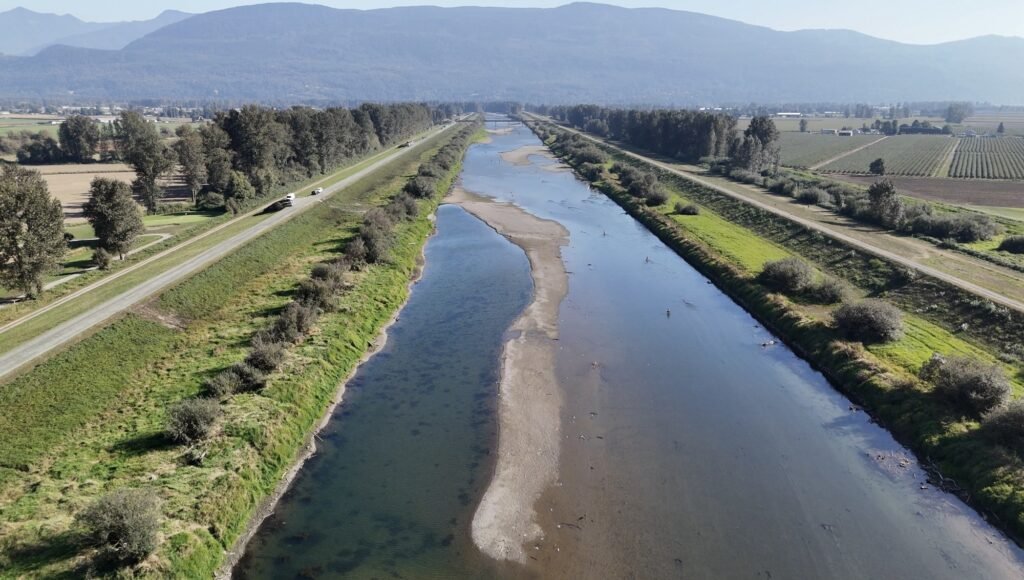
The Remarkable Heritage of Fraser River Coho Salmon
Fraser River Coho salmon carry a history that spans thousands of years. These fish are more than a target species — they are a cultural cornerstone that has shaped the traditions, ways of life, and identities of the peoples living alongside the Fraser River system since long before the first rod was ever cast.
Ancient Lineage and Cultural Significance
For Indigenous peoples along the Fraser corridor, the Coho salmon is essential. It is a food source, a ceremonial figure, and a symbol woven through oral traditions, art, and seasonal ceremony. The annual migration is one of the most respected natural cycles in BC — a spectacle that commands attention and reverence from communities that have relied on it for generations.
“The Fraser River Coho Salmon is not just a fish — it is a living connection to thousands of years of relationship between people and river,” as Indigenous fisheries leaders and cultural knowledge keepers consistently describe the species. The fish appears throughout traditional art forms and remains a central figure in the stories of nations across the Fraser watershed, representing strength, perseverance, and the interconnectedness of all living things.
That cultural context is part of why responsible angling matters. When we fish for Fraser River Coho salmon, we are engaging with a resource that carries meaning far beyond a single catch. Our catch and release salmon BC guide covers the conservation responsibilities that come with fishing for wild BC salmon.
Unique Genetic Adaptations
Interior Fraser Coho salmon have a genetic makeup that is genuinely distinct from Coho populations in other river systems. These adaptations have developed over thousands of years to match the specific conditions of the Fraser — its water chemistry, temperature cycles, migration distances, and spawning habitat characteristics.
Research cited by the Pacific Salmon Foundation shows that these fish carry genetic traits that help them navigate the river across hundreds of kilometres, resist certain diseases, and adjust to shifting water conditions across a highly variable system. That genetic uniqueness is exactly why conservation efforts targeting the Fraser River specifically — rather than Pacific Coho salmon as a broad category — matter so much to the long-term health of this run.
Distinctive Physical Characteristics of Fraser River Coho Salmon
Coho salmon stand out visually — and nowhere more so than in the Fraser River during fall spawning season, when their colours make them one of the most striking fish in BC’s rivers.
Vibrant Spawning Coloration
As Coho move upstream and approach spawning condition, their appearance transforms dramatically. The bright silver of a fresh ocean fish gives way to vivid red on the cheeks and flanks, deep olive-green on the back, and a hooked jaw on the males that makes them unmistakable. These colours are not just visually striking — they are physiological signals that communicate reproductive fitness to potential mates.
“The brighter the colour, the healthier the fish,” as experienced Fraser River Coho anglers consistently note. Fresh, bright fish — silver with a blush of colour — are at their most energetic and most rewarding to target. Fish that have fully coloured out are approaching the end of their migration and should be handled with extra care if caught, prioritising a quick, clean release.
Size, Weight, and Fight
Fraser River Coho salmon typically weigh 8 to 12 pounds in standard returns, but exceptional fish in the Fraser system regularly push 20 to 30 pounds — making them one of the larger Coho populations in BC. While smaller than Chinook salmon on average, their strength and aggression more than compensate. Pound for pound, Coho are among the hardest-fighting salmon you will encounter on a BC river rod.
| Species | Typical Weight | Fraser River Peak | Fight Characteristic |
|---|---|---|---|
| Coho Salmon | 8–12 lbs | Up to 30 lbs | Aggressive, fast surface runs |
| Chinook Salmon | 20–40 lbs | Up to 60+ lbs | Deep, powerful, sustained |
| Chum Salmon | 8–15 lbs | Up to 20 lbs | Hard-pulling, dogged |
| Pink Salmon | 3–5 lbs | Up to 8 lbs | Fast and active, lighter gear |
For Chum tactics on the Fraser system, see our Chum salmon bead fishing guide. For Pink salmon in odd years, our pink salmon soft bead guide covers the specific presentations that work on BC pinks.
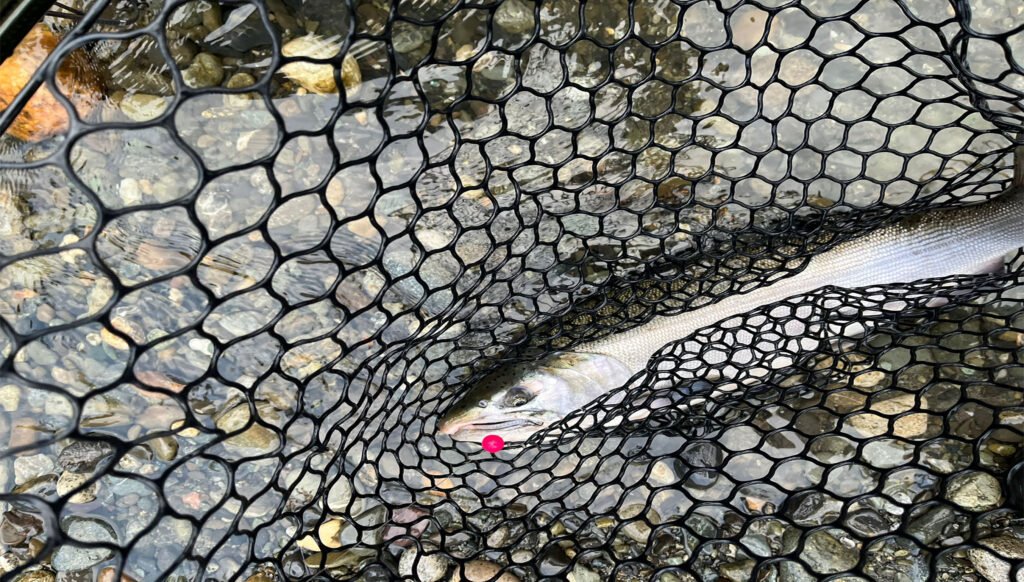
The Extraordinary Life Cycle of Fraser River Coho Salmon
Understanding the life cycle of Fraser River Coho salmon makes us better anglers — and better stewards. Every stage of their journey has shaped their behaviour in the river and their response to our presentations.
From Freshwater Birth to Ocean Journey
Fraser River Coho salmon begin their lives in the cold, clear gravel beds of the river’s tributaries and side channels. After hatching, juvenile Coho spend several months to over a year in freshwater — longer than most other Pacific salmon species — developing in the natal streams before beginning their smolt migration to the ocean. This extended freshwater residence makes the quality of spawning habitat critically important to each year’s Coho return.
| Life Stage | Duration | Key Characteristics |
|---|---|---|
| Freshwater residence | Several months to 1+ year | Growth in natal streams, learning home water |
| Ocean migration | 12–18 months | Rapid growth, adaptation to saltwater |
| Maturation | Final ocean year | Continued growth, preparation for return |
| Spawning migration | Weeks to months | Upstream navigation, physiological transformation |
Once they enter the ocean, Coho grow rapidly — often doubling or tripling their weight during their time at sea. Their ocean growth period is typically shorter than Chinook or Sockeye, which is part of why their return timing is more compressed and predictable for anglers.
The Return Migration
The return migration of Fraser River Coho salmon is one of nature’s most remarkable feats of navigation. Fish that hatched in small tributaries hundreds of kilometres inland find their way back to the exact gravel beds where they emerged — navigating by a combination of magnetic sensing, olfactory memory, and river hydrology cues that scientists are still working to fully understand.
The return is not easy. Coho face changing water temperatures, shifting flows, predators, and the physical demands of a journey that requires them to stop feeding entirely once they enter freshwater. The fish we intercept at Nicomen Slough, the Vedder, or the lower Fraser are completing an odyssey that began years earlier in a mountain stream. That context shapes how we choose to fish for them — and how carefully we handle the ones we release. Read more about responsible practice in our catch and release salmon BC guide.
Prime Habitat: What Makes the Fraser River Perfect for Coho
The Fraser River provides Fraser River Coho salmon with nearly ideal conditions across multiple life stages. That combination of water quality, temperature, and spawning substrate is not something you can replicate — it is the product of a specific geography that has shaped this population over millennia.
Ideal Water Conditions and Temperature
Coho salmon thrive in water temperatures between 12°C and 14°C during their active river migration — conditions the Fraser maintains consistently through its fall run window. The river draws from glacial and snowmelt sources across a vast Interior plateau, maintaining relatively stable flows and cool temperatures even during warm autumn weather. That consistency is a key driver of the predictability that makes Fraser River Coho salmon fishing so reliable year after year.
| Habitat Factor | Ideal Condition | Fraser River Rating |
|---|---|---|
| Water temperature (migration) | 12°C – 14°C | Consistently met through fall run |
| Flow stability | Consistent, moderate | High — glacial/snowmelt fed |
| Spawning substrate | Gravel and clean sand | Abundant in tributaries |
| Tributary access | Multiple accessible channels | Extensive side channel network |
Water level and temperature forecasts for the Fraser Valley are available through Environment Canada’s weather service. Tidal conditions for the lower river — which affect fish movement and staging in the estuary — are tracked by the Canadian Hydrographic Service.
Critical Spawning Grounds
The Fraser River’s spawning habitat is both extensive and varied. The main river’s gravel bars and side channels support Coho spawning in the Lower Fraser, while the tributary network — including the Chilliwack/Vedder, Harrison, and dozens of smaller streams — provides the cold, clean, well-oxygenated gravel beds that Coho eggs require to develop successfully through winter.
Organisations like the Fraser Basin Council and the Habitat Conservation Trust Foundation BC actively work to protect and restore these spawning grounds. Supporting their work is one of the most direct ways anglers can contribute to the long-term health of Fraser River Coho salmon beyond what we do on the water.
Top Fishing Spots for Fraser River Coho Salmon
The Fraser system offers a wide range of access points for Coho salmon fishing — from the tidal lower river near the coast to accessible tributaries throughout the Fraser Valley. Here are the zones we fish most consistently.
Lower Fraser River Hotspots
The Lower Fraser between Mission and the estuary is one of the most productive stretches for intercepting fresh Coho on their first push into freshwater. Fish are aggressive here — still chrome-bright from the ocean and at maximum energy. The tidal influence creates daily movement patterns that reward anglers who time their sessions with the incoming tide.
Key lower river locations and structures:
- The confluence of the Fraser and Pitt Rivers — mixing currents concentrate staging fish and attract active feeders
- Sandbars and gravel banks along the lower river — natural holding zones as fish move upstream
- Sections with submerged structure — logs, rock ledges, and channel edges provide ambush points for salmon
- Nicomen Slough — a bank-accessible tidal slough near Dewdney that intercepts Coho pushing out of the main river; our Nicomen Slough fishing guide covers it in full
In the lower river and tidal zones, we run larger mottled soft beads (12–14mm) in the fast, stained water. Check the Canadian Hydrographic Service tide tables before fishing the tidal sections — the incoming tide window is consistently the most productive.
Tributary Fishing Opportunities
The Fraser’s tributaries are where we find the most consistent Coho fishing through October and into November. As fish move up from the main river, they concentrate in the tributaries’ slower water, making presentations easier and hold times longer.
Key tributaries for Fraser River Coho salmon fishing:
- Chilliwack River / Vedder River — the Lower Mainland’s most productive Coho and Chinook tributary; see our Chilliwack River salmon guide and Vedder River spring fishing guide
- Harrison River — a large tributary with strong Coho returns and excellent bank access through fall
- Coquitlam and Alouette Rivers — closer to Metro Vancouver, these smaller tributaries see good Coho returns in season
In tributary water, smaller presentations perform better. A 50/50 soft bead or Embryo bead in natural peach or orange is our first choice in the clear, lower-velocity water these streams offer in fall.
Fraser River Coho Salmon Season: When to Target Coho
The Fraser River Coho salmon season is the most anticipated fishing event on BC’s Lower Mainland calendar. Getting the timing right — and understanding what weather and water conditions do to it — makes a significant difference in your results.
Fall Run Timing and Patterns
The fall run is the primary Coho event on the Fraser system, running from late September through November with October as the peak month. “The fall run is a spectacle that draws anglers from all over,” as guides who fish the Fraser for decades consistently say. During peak weeks, fresh fish can be encountered across multiple sections of the river simultaneously as the run moves progressively upstream through the tributaries.
Run timing by zone:
- Lower Fraser estuary and tidal sections — late September through mid-October, fresh chrome fish
- Nicomen Slough and mid-Fraser — October peak, fish transitioning from chrome to colour
- Chilliwack/Vedder and upper tributaries — October through November, fish fully coloured and aggressive
- Interior tributaries — late October through November for the tail of the run
For Coho-specific bead colour and size guidance across the run, our soft beads for Coho guide covers the full framework. Visit our complete guide to soft bead fishing for Coho salmon for the full technical breakdown.
Weather Conditions and Fishing Success
Weather plays a significant role in day-to-day Fraser River Coho salmon fishing success. “Overcast days with moderate water levels are the best conditions for catching Coho salmon,” as experienced Fraser River guides consistently report. “Rain can be beneficial — it increases water levels and makes fish more active.” Strong rainfall events that spike the river, however, can push fish through quickly and make presentation difficult in the coloured water that follows.
We check Environment Canada’s weather service the evening before every fall trip and plan our zone selection based on what the river is doing. A rising river pushes fish upstream; a dropping river concentrates them in holding water. Understanding that dynamic is part of what separates consistent Coho anglers from occasional ones.
Essential Gear for Landing the Perfect Fraser River Coho Salmon
Catching Fraser River Coho salmon consistently requires the right terminal tackle matched to the conditions — and the right rod, reel, and line to present it effectively. Here is the complete gear setup we use.
BeadnFloat Soft Beads: The Ultimate Coho Attractant
BeadnFloat soft beads are the most consistent Coho salmon attractants we have used on BC rivers. They mimic the translucency, size, and movement of natural salmon eggs — the primary food trigger for Coho during their upstream migration — while their soft construction prevents fish from rejecting the bead before the hook sets. “BeadnFloat soft beads mimic real salmon roe, preventing fish from spitting the lure,” as anglers across the Fraser system consistently find when they make the switch from hard roe imitations.
The three styles and their Coho applications:
| Bead Style | Best Conditions | Coho Application |
|---|---|---|
| Embryo Soft Beads | Clear water, natural light | Most versatile — peach and orange in low clear water |
| 50/50 Soft Beads | Gin-clear, selective fish | Subtle presentation for pressured fish |
| Mottled Soft Beads | Stained or fast water | Chartreuse and pink for coloured or tidal water |
BeadnFloat soft beads: $7.88/pack | 40+ colours | 6mm–19mm | Free shipping $55+. Visit our complete soft bead range →
For the full colour and size selection guide for Coho, read our best soft beads for Coho guide.
Rod, Reel, and Line Recommendations
The right setup maximises the natural presentation of your soft bead and gives you the control needed for clean, fast releases.
| Component | Recommendation | Why It Matters |
|---|---|---|
| Rod | Medium to fast action, 9–10 ft | Sensitivity and backbone for Coho fights |
| Reel | High-quality spinning, smooth drag | Handles fast Coho surface runs without line break |
| Mainline | Monofilament or fluorocarbon, 12–15 lb | Balance of strength and presentation sensitivity |
| Leader | Fluorocarbon, 10–12 lb | Near-invisible underwater, abrasion-resistant |
For bank fishing with multiple setups — which most serious Fraser River Coho salmon anglers do through the fall — BeadnFloat Rod Huggers keep spare rods secure and off the ground between drifts. Browse the full tackle range at the BeadnFloat shop.
Proven Techniques for Catching Fraser River Coho Salmon
The Fraser River’s scale and variety demand a flexible approach. We adapt technique to the section of river we are fishing — and often switch methods within a single session as water conditions and fish behaviour shift.
Drift Fishing with BeadnFloat Soft Beads
Drift fishing is the most popular and consistently productive technique for Fraser River Coho salmon. The approach is straightforward: present a BeadnFloat soft bead two inches above a single barbless hook, cast upstream at a 45-degree angle, and follow the drift with your rod tip as the bead swings through holding water at the salmon’s depth.
Drift fishing key points:
- Choose bead size and colour to match natural prey and water clarity — see our Coho soft bead guide for the specific colour-condition pairings
- Adjust drift speed constantly — the bead should travel at current speed, not faster or slower
- Target river structure: seams between fast and slow water, depth transitions, and back eddies are the highest-probability holding zones
- A slinky sinker above the bead maintains depth and bottom contact through the swing without snagging
Float Fishing Strategies for Different River Sections
Float fishing is best adapted to the specific section of the Fraser you are fishing. In slower-moving lower river and side channel water, a subtle presentation with a light float and Embryo bead in natural tones works best. In faster tributary currents, a heavier float and larger mottled bead holds depth through the swing.
Section-by-section float fishing approach:
- Lower Fraser and tidal zones — focus on submerged structure; use a float rig that handles tidal current variation
- Nicomen Slough and side channels — lighter gear, natural bead tones, dead-drift presentation; full details in our Nicomen Slough fishing guide
- Chilliwack/Vedder tributaries — look for slower currents and deep pools; smaller float rigs present beads naturally at fish-holding depth; see our Chilliwack River salmon guide
The principles in our complete guide to soft bead fishing for Coho apply across all of these sections — worth reading before your first fall trip to the Fraser system.
Conservation Efforts Protecting Fraser River Coho Salmon
Conservation of Fraser River Coho salmon requires a multi-front approach — habitat protection, regulated fishing, population monitoring, and active restoration working together. As anglers, we are participants in that effort whether we choose to be or not. What we choose determines whether our participation helps or harms.
Current Population Status and Challenges
Fraser River Coho salmon face genuine population pressures. Habitat loss from urban and agricultural development along the lower Fraser and its tributaries, water temperature increases linked to climate change, and historic overfishing have all contributed to reduced returns compared to historical baselines. “Their numbers have been going down in some years, highlighting the urgent need for conservation,” as fisheries researchers monitoring the system consistently report.
DFO manages the run through annual stock assessments and in-season monitoring. Emergency closures are called when escapement data shows populations under stress. These closures exist to protect the spawning fish that produce next year’s return — the anglers who respect them are investing in the run they want to fish in future seasons. Always check DFO’s in-season announcements before every fall trip and download the current BC Freshwater Fishing Regulations synopsis.
Restoration Projects and Success Stories
Habitat restoration has produced measurable improvements in Coho survival and return rates on the Fraser system. Improved fish passages, restored riparian vegetation, and side channel enhancement projects have all contributed to better spawning success in sections that were historically degraded.
At BeadnFloat, we are dedicated to supporting conservation efforts that protect Fraser River Coho salmon and their habitat. We encourage anglers to:
- Support the Pacific Salmon Foundation — BC’s leading organisation for salmon habitat restoration and population research
- Engage with the Fraser Basin Council for watershed health initiatives across the broader Fraser system
- Donate to or volunteer with the Habitat Conservation Trust Foundation BC, which funds riparian and spawning habitat restoration throughout the province
- Support wetland preservation through Ducks Unlimited Canada, whose work protects habitat that directly benefits salmon systems
- Report tagged fish and catch data to DFO and the Pacific Salmon Foundation — individual data points compound into better fisheries management decisions
Sustainable Fishing Practices for Wild Coho Salmon
Sustainable fishing for Fraser River Coho salmon is not a restriction on our experience — it is what makes the experience worth having year after year. The practices we follow on every trip are the foundation of keeping this fishery healthy.
Catch and Release Best Practices
“Always keep the fish in the water — ‘keep ’em wet’ is our rule,” as the most experienced BC salmon guides consistently emphasise. Land the fish quickly to minimise exhaustion. Use a knotless rubber-mesh net to protect the slime coat. Remove barbless hooks in seconds using needle-nose pliers. Hold the fish upright in the current until it kicks away under its own power.
Our catch and release salmon BC guide covers every step of responsible handling in detail — from net selection and handling time to proper revival technique. It is essential reading for anyone fishing for Fraser River Coho salmon.
Ethical Angling and Conservation Mindset
Ethical angling for Fraser River Coho salmon means following catch limits, staying out of sensitive spawning areas, using soft beads over hard roe imitations to reduce injury on released fish, and packing out everything we bring in. It also means choosing jigs and soft worms alongside beads — a versatile approach that reduces pressure on any single presentation.
| Conservation Action | Direct Impact |
|---|---|
| Habitat restoration support | Improved spawning grounds and juvenile survival |
| Respecting catch limits | Reduced overfishing on wild stocks |
| Proper catch and release technique | Higher post-release survival rates |
| Education and data reporting | Better fisheries management decisions |
By choosing sustainable fishing practices and supporting conservation, anglers help ensure that Fraser River Coho salmon remain one of BC’s most remarkable wild resources. For full regulations, see our BC Fishing Licence Guide 2026 and the BC Government fishing portal.
Conclusion: Why We Treasure Fraser River Coho Salmon
Reflecting on what makes Fraser River Coho salmon the most special fish we pursue, the answer is not any single thing — it is the combination. The genetic uniqueness developed over thousands of years in a single river system. The cultural significance that runs deeper than any season. The explosive, aggressive fight of a fresh-run fish on a fall morning. The responsibility that comes with targeting a species that is both remarkable and under genuine pressure.
At BeadnFloat, we support conservation efforts for Fraser River Coho salmon through our products and our practice. Using soft beads that reduce fish injury. Fishing with barbless hooks. Releasing fish properly. Checking regulations before every trip. These are the habits that keep this fishery worth coming back to. BeadnFloat soft beads: $7.88/pack | 40+ colours | 6mm–19mm | Free shipping $55+. Shop the full BeadnFloat range →
For more BC salmon fishing information, explore our guides to Nicomen Slough fishing, the Chilliwack River, Vedder River spring fishing, and our full fishing guide library.
FAQ
Q: What makes Fraser River Coho salmon different from other Coho populations?
A: Fraser River Coho salmon are genetically distinct from Coho in other BC river systems. Their adaptations — developed over thousands of years in the Fraser’s specific conditions — help them navigate the river across hundreds of kilometres, resist localised diseases, and adjust to the Fraser’s variable water temperatures and flows. According to the Pacific Salmon Foundation, this genetic uniqueness makes conservation efforts targeted specifically at the Fraser system critical to their long-term health.
Q: When is the best time to fish for Fraser River Coho salmon?
A: The fall run is the primary Fraser River Coho salmon season, peaking in October. Fresh, chrome-bright fish push into the lower river from late September, moving progressively upstream through the tributaries through November. “The fall run is a spectacle that draws anglers from all over,” as Fraser River guides consistently note. Our Coho soft bead guide and complete Coho fishing guide cover seasonal tactics in full.
Q: What are the best soft bead colours for Fraser River Coho salmon?
A: In clear, low water — typical of fall tributary conditions — natural peach and orange in our Embryo soft beads are the most consistent producers. In stained or faster tidal water, step up to mottled beads in chartreuse or hot pink. For very clear, pressured water, our 50/50 soft beads in subtle tones consistently draw strikes from fish that ignore brighter presentations. Full guidance in our soft beads for Coho guide.
Q: What are the top spots for Fraser River Coho salmon fishing?
A: The lower Fraser between Mission and the estuary intercepts fresh chrome fish as they enter freshwater. Nicomen Slough is one of the most bank-accessible Coho locations on the system — our Nicomen Slough fishing guide covers it in detail. The Chilliwack River and Vedder are the most productive Lower Mainland tributaries — see our Chilliwack River salmon guide. The Harrison River also provides strong Coho returns with excellent bank access through fall.
Q: What rod and reel setup works best for Fraser River Coho salmon?
A: For float fishing, a medium to fast action 9–10 ft rod with a high-quality spinning reel and smooth drag is the standard setup. Run a 12–15 lb mainline with a 10–12 lb fluorocarbon leader for the right balance of strength and near-invisibility. Pair with BeadnFloat soft beads rigged 2 inches above a single barbless hook for the optimal Coho presentation. Use Rod Huggers to manage spare setups on the bank.
Q: Do I need a licence to fish for Fraser River Coho salmon?
A: Yes. A valid BC Freshwater Fishing Licence is mandatory for all anglers 16 and over. Retaining Coho salmon also requires a Salmon Conservation Surcharge stamp. Starting April 1, 2026, licences link to a new Fish and Wildlife ID (FWID) system. Our BC Fishing Licence Guide 2026 covers everything — what to buy, where to buy it, and what to carry on the water. Buy at gov.bc.ca/fishing.
Q: How do I practise responsible catch and release for Fraser River Coho salmon?
A: Keep the fish in the water at all times — “keep ’em wet” is the standard. Use a knotless rubber-mesh net to protect the slime coat. Remove barbless hooks quickly with pliers. Hold the fish upright, facing into the current, until it kicks away under its own power. Rigging BeadnFloat soft beads two inches above the hook produces corner-of-jaw hook placements that come out in seconds. Our catch and release salmon BC guide covers every step in detail.
Q: What conservation efforts protect Fraser River Coho salmon?
A: Conservation of Fraser River Coho salmon involves habitat restoration, regulated fishing through DFO, population monitoring by the Pacific Salmon Foundation, and watershed protection by the Fraser Basin Council and HCTF BC. As anglers, we contribute by respecting closures, reporting tagged fish, practising proper catch and release, and supporting the organisations that do this work year-round.
Q: How does weather affect Fraser River Coho salmon fishing?
A: Overcast days with moderate, stable water levels are the best conditions for Fraser River Coho salmon fishing. Rain can increase water levels and trigger active fish movement upstream. Extreme rainfall that spikes the river can colour the water and push fish through quickly, making presentations difficult. We always check Environment Canada the evening before a fall trip and plan our zone selection based on current water conditions.
Q: Why are BeadnFloat soft beads the best choice for Coho salmon fishing?
A: BeadnFloat soft beads mimic the translucency, size, and movement of natural salmon eggs — the primary food trigger for Coho during their upstream migration. Their soft construction prevents fish from rejecting the bead before the hook sets, and the standard two-inch-above-hook rigging produces jaw hook placements that make for fast, clean releases. They are barbless-hook compatible across all sizes from 6mm to 19mm, and they reduce injury on catch-and-release fish compared to hard alternatives. See our Coho soft bead guide and complete soft bead fishing guide for the full technical breakdown.

About author

Add comment