Steelhead Trout Fishing: Tips and Techniques for Successful Anglers
January 29, 2026
Steelhead trout fishing is an exciting challenge that needs patience, skill, and the right gear. It's not just about casting a line. It's about knowing the water and the fish's behaviour.
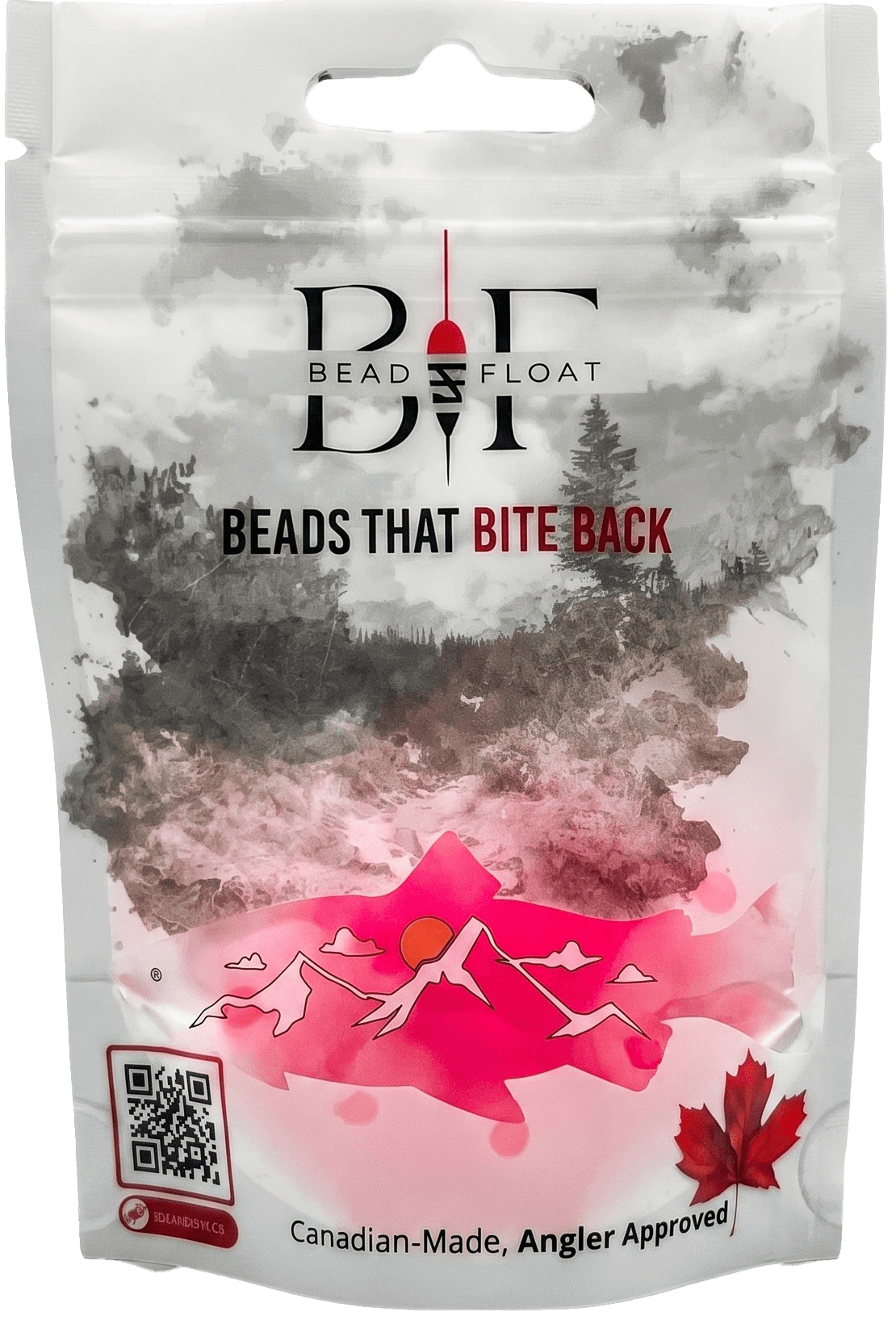
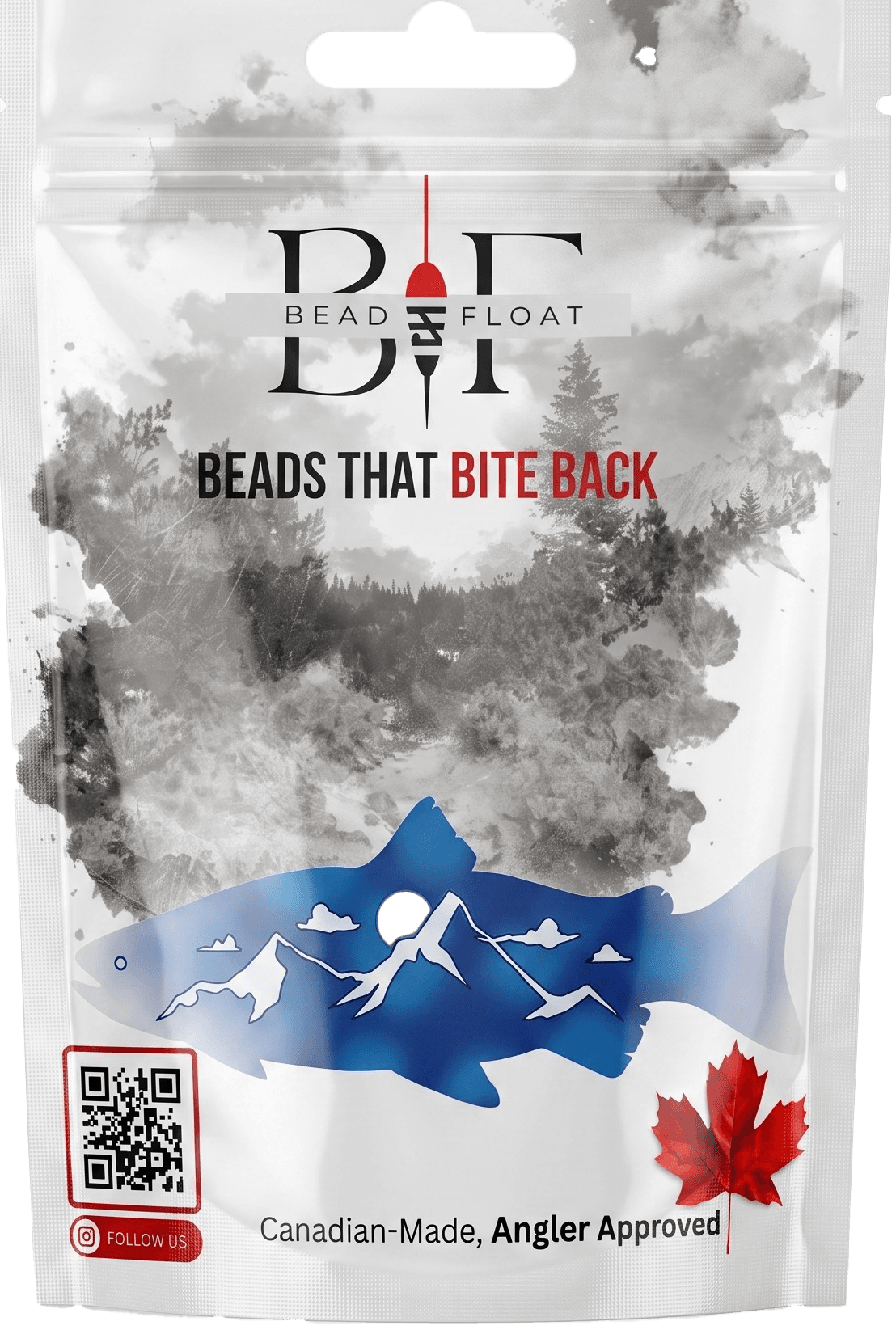
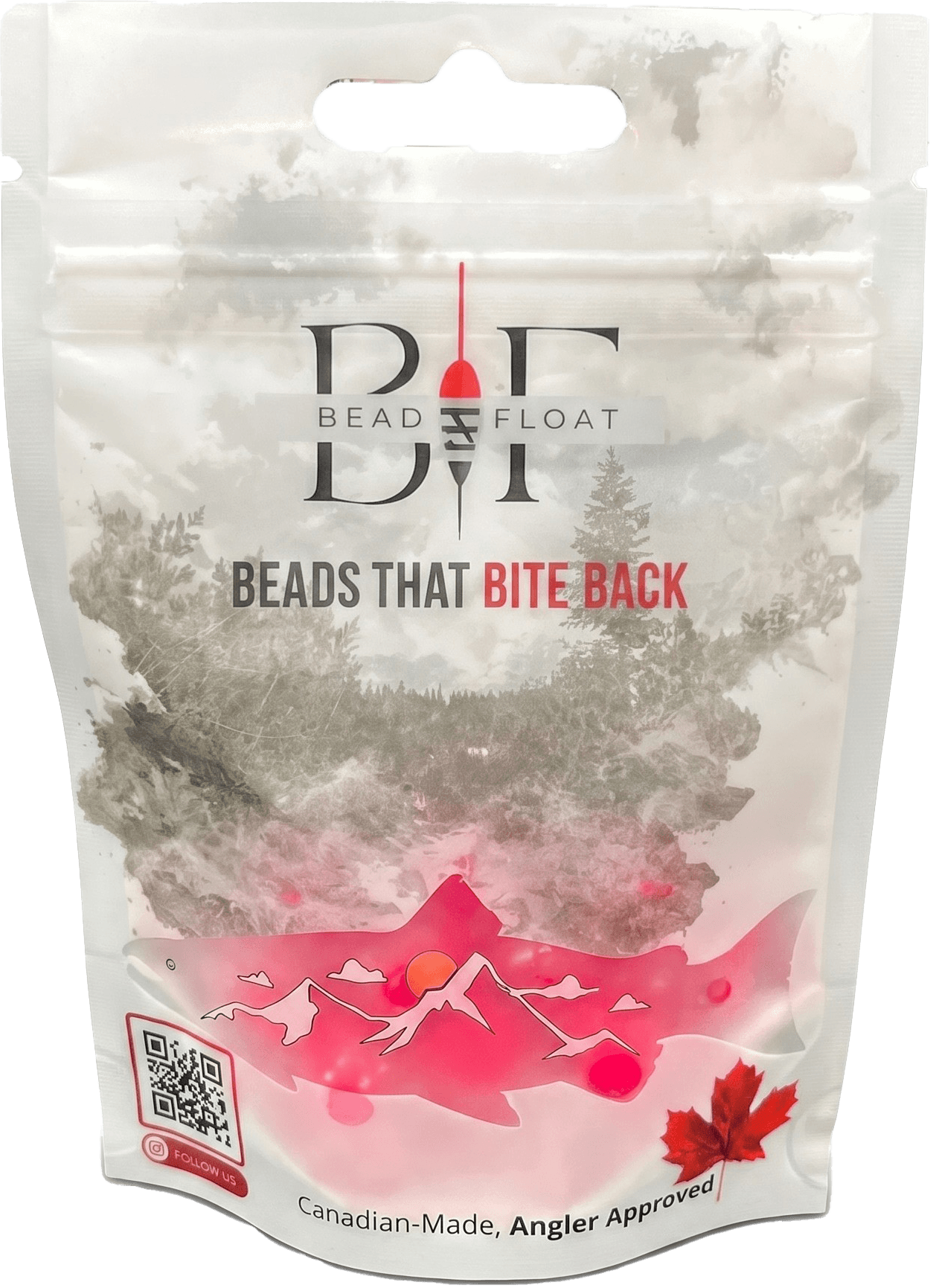
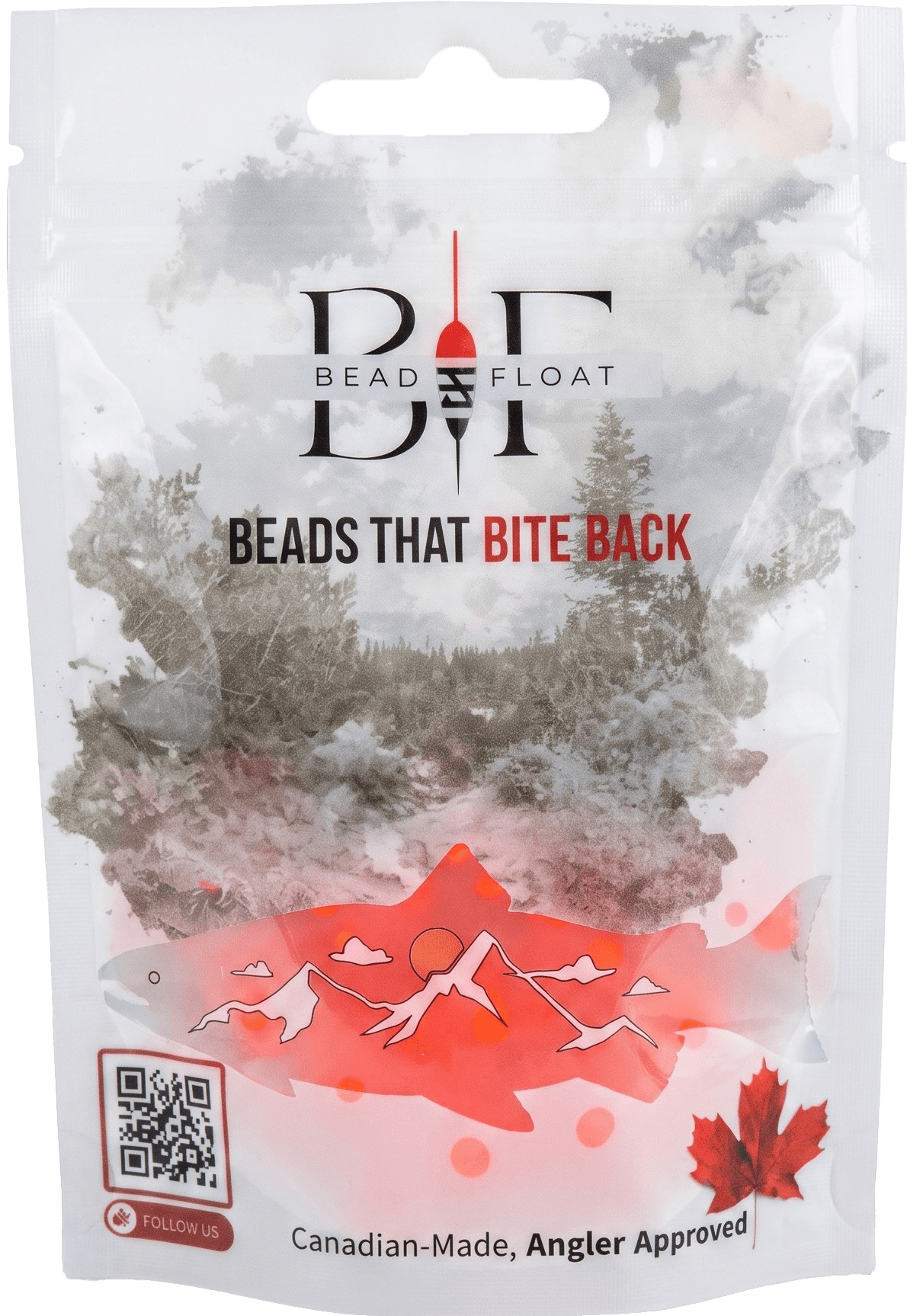
To catch more fish, using tools like BeadnFloat's soft beads can help attract steelhead trout. With the right gear and knowledge of the fishing spot, we can enjoy our fishing more.
🎣 ESSENTIAL BEADNFLOAT SOFT BEADS FOR STEELHEAD:
✅ Clear Water - Raspberry, Methiolate (6-8mm)
✅ Normal Conditions - 50/50 Hot Pink, Orange Pearl (10-12mm)
✅ Murky Water - Chartreuse, Hot Pink (14mm+)
40+ Colours Available | All Sizes 6-19mm | Free Shipping $75+ Canada
Key Takeaways
- Steelhead trout fishing demands patience and skill
- The right equipment is key for a good fishing trip
- BeadnFloat's soft beads ($7.88/pack) are proven steelhead lures
- Knowing the fishing area is vital for success
- Using skill and the right gear makes fishing better
Understanding Steelhead Trout Behaviour
Steelhead trout behaviour, including migration and feeding, is key to catching them. To boost our chances, we need to understand their ways.
Migration Patterns
Steelhead trout migrate from saltwater to freshwater to spawn. This journey is influenced by water temperature, daylight, and food availability. Knowing their migration patterns is vital for success.
They often hold in places like river bends and confluences. Finding these spots is essential for locating them.
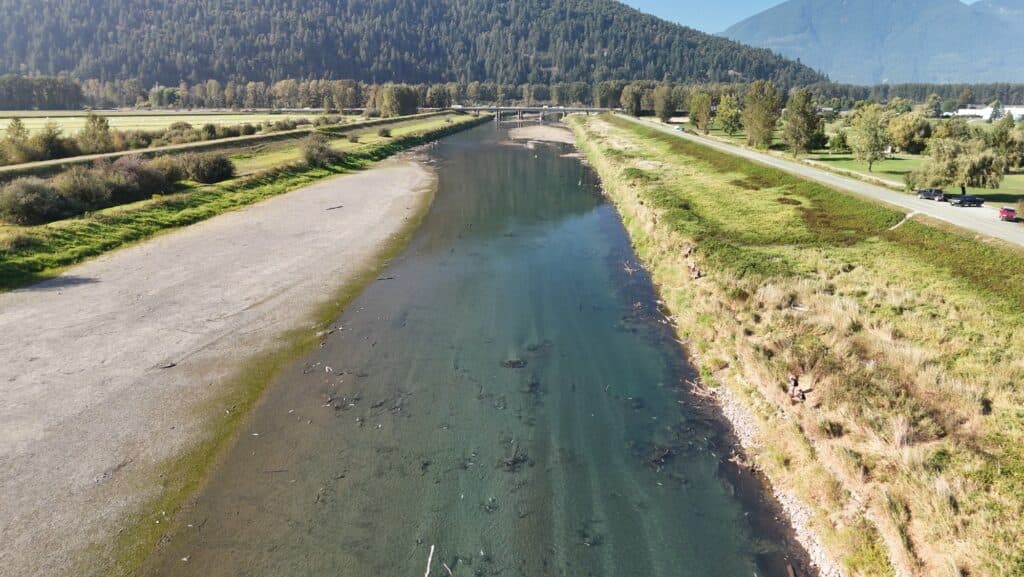
Similar migration patterns occur on BC rivers like the Vedder River and Fraser River.

Feeding Habits
Steelhead trout eat a variety of prey, including insects and smaller fish. Their feeding habits change as they migrate. Some stop eating once in freshwater.
To catch them, we must understand their feeding habits. We need to present our bait like their natural food using proper soft bead techniques.
Habitat Preferences
Steelhead trout like cool, well-oxygenated water and suitable substrate for spawning. They prefer areas with cover, like large woody debris.
Knowing their habitat preferences helps us find where they might be. This way, we can tailor our fishing techniques.
Understanding steelhead trout behaviour is critical for effective fishing. By knowing their migration, feeding, and habitat preferences, we can increase our chances of catching them.
Essential Gear for Steelhead Trout Fishing
For a great steelhead trout fishing trip, the right gear is key. You need the best rods, reels, and terminal tackle.
Rod and Reel Selection
Choosing the right rod and reel is the first step. A rod that's too stiff or too light can miss the subtle bites of steelhead. We suggest a rod with a medium to fast action, 9 to 12 feet long, to handle the fight well.
- Look for rods made from durable, lightweight materials like graphite or a graphite-fiberglass composite
- A reel with a smooth drag system is key for wearing out a steelhead trout during the fight
- Choose a reel that can hold at least 150 yards of 15-20 lb test line
Similar gear works well for salmon fishing and centerpin fishing on BC rivers.
Line and Leader Choices
The line and leader are vital for steelhead trout fishing. You can choose from monofilament, fluorocarbon, or braided lines depending on fishing conditions.
- Fluorocarbon leaders are great because they're almost invisible underwater
- A leader length of 9-15 feet works well for most steelhead fishing
- Use a tippet of 10-15 lb test to reduce line break-offs
Terminal Tackle Essentials
Terminal tackle is critical for a successful steelhead trout fishing trip. BeadnFloat's soft beads ($7.88/pack, all sizes) are perfect for imitating natural prey.
- Soft beads come in 40+ colours and 7 sizes (6-19mm), giving you flexibility in presentation
- Hooks need to be strong and sharp, with sizes from 2 to 6, depending on the bait or lure
- Try different sink rates with your beads to match changing water conditions
Waders and Clothing Considerations
Wearing the right clothes is as important as having the right tackle. Good waders that fit well are essential for wading in rivers.
- Choose waders that are breathable and waterproof
- Dress in layers to stay comfortable in changing weather
- Wear clothes with built-in UPF protection to avoid sunburn
🎯 TOP BEADNFLOAT BEADS FOR STEELHEAD SUCCESS:
🥇 CLEAR WATER CHAMPION
Raspberry Soft Beads - 8mm - $7.88
#1 steelhead bead in clear BC rivers
Shop Raspberry Beads →
🥈 ALL-CONDITIONS FAVORITE
50/50 Hot Pink Soft Beads - 10mm - $7.88
BC's bestselling two-tone steelhead bead
Shop 50/50 Hot Pink →
🥉 MURKY WATER KING
Chartreuse Soft Beads - 12mm - $7.88
Maximum visibility for stained water
Shop Chartreuse Beads →
🏆 WINTER STEELHEAD SECRET
Methiolate Soft Beads - 10mm - $7.88
Proven winter steelhead producer
Shop Methiolate Beads →
VIEW ALL 40+ STEELHEAD COLORS →
The Art of Steelhead Trout Fishing
Catching steelhead trout is all about reading the water and understanding fish behaviour. It's not just about the gear or technique. It's about knowing the river's complex dynamics.
Understanding River Dynamics
Knowing how the river works is key to catching steelhead trout. We need to see how the river's structure affects the fish. This includes depth, speed, and what's on the bottom.
These factors shape where and when fish migrate and feed. By grasping these dynamics, we can guess where to find steelhead trout.
Apply these same principles when fishing the Vedder or Fraser River.
Approaching the Water
When fishing for steelhead trout, we must be quiet and careful. These fish are very sensitive to noise and movement. We should move slowly and avoid making sudden sounds.
When wading, we need to think about where we are in relation to the fish. We aim to cast from an angle that won't spook them. Often, this means casting from downstream or across the current.
Reading Fish Behaviour
Understanding fish behaviour is essential for steelhead trout fishing. We look for signs of fish activity like rising or jumping. We also watch for changes in the water's surface.
By observing the fish, we can adjust our tactics. If fish are feeding, we need to present our lure or fly in a way that looks natural.
Fighting and Landing Techniques
Fighting and landing steelhead trout needs skill, patience, and gentle handling. When hooked, we apply gentle but firm pressure. This helps wear out the fish without breaking the line.
Once tired, we guide the fish towards us, ideally into a net. This minimises injury to both the fish and the angler. Handling the fish gently and releasing it quickly is important for conservation.
Mastering Bead Fishing with BeadnFloat
For steelhead trout fishing, the right beads are key. BeadnFloat's soft beads are made for success. Bead fishing is a top technique for catching steelhead.
Why Soft Beads Outperform Hard Beads
Soft beads are better than hard ones. They look more natural in the water, which steelhead can't resist. They also don't scare fish off like hard beads do.
Soft beads move subtly in the current. This is great in clear water or when fish are picky. BeadnFloat's soft beads are made to move just right, helping you catch steelhead.
Selecting the Right Bead Size
Choosing the right bead size is key. BeadnFloat has sizes from 6mm to 19mm, all at $7.88/pack. The size you pick depends on the water, current, and the size of the steelhead.
- Smaller beads (6mm-8mm) - Work well in shallow, slow water or for smaller steelhead
- Medium beads (10mm-14mm) - Good for most conditions, making them versatile
- Larger beads (16mm-19mm) - Best for deeper, faster water or bigger steelhead
Colour Selection Based on Conditions
The bead colour matters a lot. BeadnFloat has 40+ colours for different water and fish preferences. Bright colours like chartreuse or orange are good in murky water. Softer colours like pink are better in clear water.
| Water Clarity | Recommended Bead Colour | BeadnFloat Products | Price |
|---|---|---|---|
| Clear | Pink, Peach, or White | Raspberry, Pink Copper, Orange Pearl | $7.88/pack |
| Murky | Chartreuse, Orange, or Red | Chartreuse, Orange Blaze, Blood Red | $7.88/pack |
| Stained | Purple, Black, or Blue | Phthalo Blue, Disco Pink | $7.88/pack |
Proper Bead Rigging Techniques
Getting your bead rigged right is key. Start with the bead on the leader, then a spacer, and the hook. Make sure the bead isn't too close to the hook. Try different setups to see what works best for you.
Learn complete soft bead rigging techniques for maximum success.
Mastering bead fishing with BeadnFloat's soft beads will make you a better steelhead angler. Always check local rules and practice catch-and-release fishing to help steelhead populations.
Effective Steelhead Fishing Techniques
To catch steelhead trout, anglers need to learn various fishing techniques. These techniques are designed to match the unique behaviour of steelhead trout.
Drift Fishing Fundamentals
Drift fishing is a top method for catching steelhead trout, best used in rivers with a good current. The trick is to present the bait or lure naturally, letting it drift with the current to the fish.
Choosing the right gear is key. A sensitive rod and reel with a good drag system help detect bites and land fish. The type of line and leader used is also important; a monofilament or fluorocarbon leader helps present the bait naturally.
Float Fishing with BeadnFloat Products
Float fishing with BeadnFloat products is a versatile and effective way to catch steelhead trout. BeadnFloat's soft beads can be used to create a natural presentation that attracts steelhead.
When using BeadnFloat products, picking the right bead size and colour is critical. Larger beads work well in murky water, while smaller beads are better in clear water. The colour should contrast with the surroundings to attract the fish.
Master centerpin fishing with soft beads for the ultimate natural presentation.
Spey Casting for Wider Rivers
Spey casting is a valuable technique for anglers fishing wider rivers for steelhead trout. This method allows for a long, controlled presentation of the line and lure or fly, covering a lot of water.
Mastering the spey cast takes practice. It involves a specific motion that lifts the line off the water and repositions it downstream. This technique is very effective for presenting flies or lures to steelhead in the river's deeper or faster-moving sections.
Reading Water for Steelhead Success
Reading the water is key for steelhead anglers. It helps them find the best spots to catch steelhead trout. Knowing the river or stream well is essential.
Identifying Prime Holding Spots
Prime spots are where steelhead like to hang out. Look for boulders, logs, and changes in depth or direction. These areas offer cover and the right current speed.
When searching for these spots, keep an eye out for:
- Structures like boulders or logs
- Changes in water depth or current speed
- Places with enough cover for steelhead
These same principles apply when fishing BC streams.
Understanding Current Seams
Current seams are where water currents meet. They create visible lines or changes in water texture. These spots are great for steelhead as they attract baitfish and prey.
To target these seams, we need to know how they form. We also need to see where currents meet. This helps us find the best spots.
Recognising Steelhead Lies
A steelhead lie is a specific spot within a holding area. It's where a steelhead likes to be. Understanding their behaviour and habitat helps us find these spots.
Steelhead prefer areas with the right current, cover, and food. Knowing this helps us find them more easily.
Adjusting Tactics to Water Clarity
Water clarity changes how we fish. In clear water, we use subtle presentations. In murky water, we need to be more aggressive.
To adjust, we choose the right tackle and presentation. Sometimes, we even change where we fish based on the water.
Mastering water reading and adjusting our tactics boosts our success. Identifying spots, understanding seams, finding lies, and adapting to clarity are all key.
Seasonal Approaches to Steelhead Trout Fishing
To catch steelhead trout, we need to adjust our fishing methods with the seasons. Knowing these patterns is key for success in steelhead fishing.
Spring Run Strategies
In spring, steelhead trout move upstream to spawn. Rivers and streams are full of life. We should fish in places where they gather, like the ends of pools and riffles.
Using bright beads and flies works well. They look like eggs and attract steelhead. Try Orange Blaze or Fluorescent Pink soft beads.
Summer Fishing Tactics
Summer brings warmer water, making steelhead slower. We must fish gently, using small lures and targeting cool, deep spots. Look for places with lots of cover, like undercut banks and logs.
Best summer colours: Raspberry, Methiolate, and Pink Copper ($7.88/pack each).
Fall Migration Techniques
In fall, steelhead start moving upstream again. Fishing can be very good. Look for spots where they can hide, like current edges and behind boulders.
Beads and egg patterns are good choices. Steelhead are attracted to them during spawning. Fall conditions on the Vedder River are prime for steelhead.
Winter Steelhead Methods
Winter fishing for steelhead is slow and patient. Fish are sluggish in cold water. We must present our lures naturally and convincingly.
Focus on slow currents and use flies or beads that look like natural prey. 50/50 Hot Pink and Watermelon beads are winter favorites.
Adjusting our fishing to the seasons can greatly improve our chances. Each season brings its own challenges and opportunities for catching steelhead trout.
Top Canadian Steelhead Fishing Locations
Canada, from British Columbia's rugged coastlines to Ontario's Great Lakes tributaries, is a steelhead fisherman's dream.
British Columbia's Famous Rivers
British Columbia is famous for its steelhead fishing. It has many rivers full of steelhead, like:
- The Skeena River, known for its strong steelhead and beautiful views
- The Fraser River, a challenging but rewarding place to fish for steelhead
- The Thompson River, a Fraser tributary with clear waters and lots of steelhead
- The Vedder River, one of BC's most popular steelhead destinations
Great Lakes Tributaries in Ontario
Ontario's Great Lakes tributaries are known for their amazing steelhead fishing. Top spots include:
- The Salmon River, flowing into Lake Ontario and famous for its steelhead
- The Credit River, known for its healthy steelhead and beautiful scenery
- The Humber River, another Lake Ontario tributary with great steelhead fishing
Vancouver Island Hotspots
Vancouver Island is a paradise for steelhead fishing. It has many rivers and streams with these prized fish. Top spots are:
- The Campbell River, famous for its clear waters and many steelhead
- The Oyster River, known for its strong steelhead and easy fishing spots
- The Englishman River, a secluded spot for steelhead fishing
Lesser-Known Canadian Steelhead Waters
Canada also has many hidden steelhead fishing spots. These include:
- Rivers in Quebec, like the Saint Lawrence River tributaries, for a unique fishing experience
- The less-fished rivers of New Brunswick and Nova Scotia, perfect for those seeking adventure
- BC's Capilano River and Nicomen Slough
Weather and Water Conditions for Steelhead Success
To catch more steelhead, it's important to know the weather and water conditions. Steelhead trout are very sensitive to their surroundings. Knowing these factors can really help your fishing.
Optimal Water Temperatures
Water temperature is key for steelhead fishing. They do best in temperatures between 3°C and 14°C. The best fishing usually happens when it's between 7°C and 10°C.
- Use a thermometer to check the water temperature and find the best times to fish
- Change your fishing style based on the water temperature - use slower presentations in colder water
Water Clarity and Bead Selection
How clear the water is affects how steelhead see lures. In clear water, they can spot beads and presentations easily. This means you can use more subtle and natural approaches.
In murky or dirty water, bigger, brighter beads work better. They grab the steelhead's attention more easily.
When picking beads ($7.88/pack, all colours), think about the following:
- Choose clear or translucent beads for clear water
- Go for brightly coloured or larger beads in murky or dirty water
Barometric Pressure Effects
Barometric pressure, or atmospheric pressure, can change how steelhead behave. Changes in pressure can make them want to eat more. A falling barometer usually means weather is changing, which can make steelhead more active.
- Keep an eye on the weather forecast to predict changes in barometric pressure
- Be ready to change your fishing plans when the pressure changes
Adapting to Changing Conditions
Being flexible is essential in steelhead fishing. Weather and water conditions can change fast. Being able to adjust your tactics is very important.
This might mean changing bead colours, adjusting how you present them, or moving to different spots. Learn complete soft bead fishing techniques for all conditions.
By keeping up with the weather and water conditions, and being flexible, you can catch more steelhead.
READY TO MASTER STEELHEAD FISHING?
Now you have everything you need to catch more steelhead:
- Understanding steelhead behaviour and migration patterns
- Complete BeadnFloat bead selection guide (40+ colours, all $7.88)
- Proven presentation techniques for all conditions
- Seasonal strategies and top BC locations
- Expert gear recommendations and rigging methods
The only thing left? Getting your BeadnFloat steelhead beads!
🎣 Shop BeadnFloat - BC's #1 Steelhead Beads
✅ All beads $7.88/pack - every size (6-19mm)
✅ 40+ proven steelhead colours
✅ TOP 5 BESTSELLERS: Raspberry, 50/50 Hot Pink, Hot Pink, Watermelon, Watermelon Mottled
✅ Tested on Vedder, Fraser & Skeena Rivers
✅ Free shipping on orders $75+ Canada
SHOP STEELHEAD SOFT BEADS NOW →
Ethical Steelhead Angling Practices
Ethical steelhead angling is key for their long-term survival. As anglers, we must protect the fish we love. This means using catch and release methods, supporting conservation, and following Canadian fishing laws.
Catch and Release Techniques
Using the right catch and release methods is essential. We should handle fish carefully, avoid bleeding them too much, and use barbless hooks. It's also important to release them quickly, as high water temperatures can stress them out.
| Best Practices | Benefits |
|---|---|
| Use barbless hooks | Reduces injury to the fish |
| Handle fish gently | Minimizes stress and injury |
| Release fish quickly | Reduces mortality rates |
| Keep fish in water | Maintains oxygen levels |
Conservation Considerations
Conservation is central to ethical steelhead angling. We must think about the bigger picture, like protecting habitats and respecting closed areas. Supporting local conservation efforts is a great way to help.
Understanding Canadian Fishing Regulations
Canadian fishing laws are designed to protect fish. Knowing these laws, like licensing and catch limits, is vital. We must follow these rules to help steelhead populations thrive.
Key Regulatory Considerations:
- Licensing requirements
- Catch limits and size restrictions
- Seasonal closures and protected areas
- Single barbless hook requirements
Preserving Steelhead Populations
Keeping steelhead populations healthy needs a mix of good angling, conservation, and knowledge of their environment. By adopting sustainable fishing and supporting conservation, we help ensure steelhead fishing remains a joy for years to come.
Our actions today will shape the future of steelhead fishing. By choosing ethical angling, we protect these amazing fish for future generations. This way, everyone can enjoy the excitement of steelhead trout fishing.
Conclusion
Steelhead trout fishing is a complex yet rewarding activity. It needs a deep understanding of steelhead behaviour and the right gear. Knowing their migration patterns, feeding habits, and habitats can greatly improve your chances.
Using the right techniques, like drift fishing and float fishing with BeadnFloat products ($7.88/pack, 40+ colours), can help a lot. We've talked about reading water, seasonal approaches, and top Canadian steelhead fishing locations from British Columbia to Ontario. This gives anglers a solid base to start with.
Success in steelhead trout fishing comes from adapting and refining your approach. By using the knowledge from this article and BeadnFloat products, anglers can improve their fishing experience and boost their success rates.
For more BC steelhead adventures, explore the Vedder River, Fraser River, Skeena River, and Capilano River with your BeadnFloat soft beads!
FREQUENTLY ASKED QUESTIONS
Q: What size BeadnFloat soft beads work best for steelhead?
A: Use 6-8mm ($7.88/pack) in clear water, 10-12mm ($7.88/pack) for normal conditions, and 14-16mm ($7.88/pack) in murky water or for larger fish. All sizes available in 40+ colours. Shop all sizes →
Q: What are the best BeadnFloat colours for steelhead?
A: TOP 5 BESTSELLERS: Raspberry ($7.88), 50/50 Hot Pink ($7.88), Hot Pink ($7.88), Watermelon ($7.88), and Watermelon Mottled ($7.88). For clear water use Raspberry or Methiolate. For murky water use Chartreuse or Hot Pink. View all 40+ colours →
Q: When is the best time to fish for steelhead in BC?
A: Winter and spring (December-May) are prime for winter-run steelhead. Summer steelhead run July-October. Best rivers include the Vedder, Fraser, Skeena, and Thompson Rivers.
Q: How do I rig BeadnFloat soft beads for steelhead?
A: Use a float fishing setup with 9-15 foot leader, 10-15lb tippet, and proper weight distribution. Place bead on leader with spacer, then hook. Learn complete soft bead rigging techniques here.
Q: What's the difference between soft beads and hard beads for steelhead?
A: Soft beads move more naturally in current, don't spook fish with noise, and look more realistic. They outperform hard beads especially in clear water or when fish are pressured. Learn more about soft bead advantages →
Q: How much do BeadnFloat soft beads cost?
A: All BeadnFloat soft beads are $7.88/pack. Every colour (40+ options) available in all sizes (6mm, 8mm, 10mm, 12mm, 14mm, 16mm, 19mm). Free shipping on orders $75+ across Canada with 30-day returns. Shop now →
Q: What are the best steelhead rivers in Canada?
A: Top BC rivers: Vedder, Fraser, Skeena, Thompson, Campbell. Ontario: Salmon River, Credit River, Humber River. All respond well to BeadnFloat soft beads.
Q: Do I need a fishing license for steelhead in Canada?
A: Yes. You need a valid provincial fishing license. Check current regulations for catch limits, seasonal closures, and gear restrictions. Most areas require single barbless hooks.
Q: Can I use BeadnFloat soft beads for salmon too?
A: Absolutely! BeadnFloat soft beads work excellent for salmon, including chinook, coho, pink, and chum salmon. Same beads, same prices, multiple species!
Q: What's the best technique for steelhead with soft beads?
A: Float fishing with natural drift presentation is most effective. Also try centrepin fishing for ultimate control. Learn all soft bead techniques here.