Chum Salmon: Complete Guide to Dog Salmon Biology, Migration, Fishing & Conservation in Pacific Waters
November 18, 2025
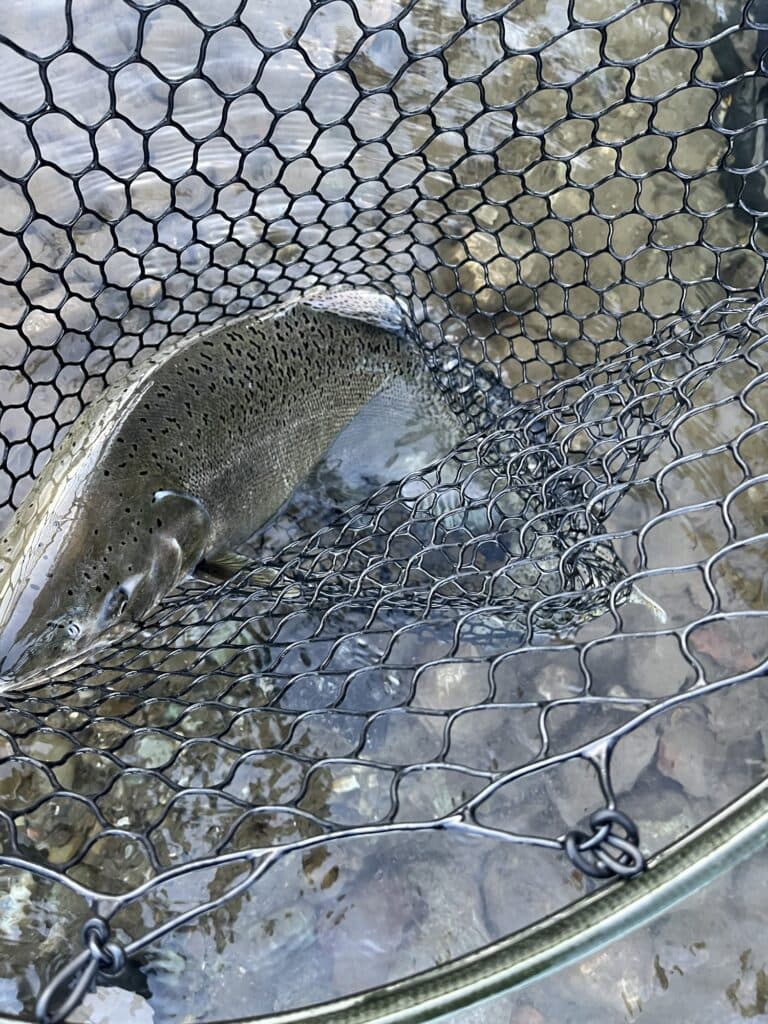
Chum salmon (Oncorhynchus keta), also known as dog salmon or keta salmon, represent one of the five Pacific salmon species native to North American waters. These remarkable fish undertake epic migrations from the Pacific Ocean to their natal spawning streams, demonstrating incredible resilience and biological adaptations.
Understanding chum salmon biology, lifecycle, and conservation status is essential for anglers and conservationists alike.
🎣 CHUM SALMON CATCH-AND-RELEASE BEADS:
✅ Effective Patterns - Natural egg colours for ethical catch-and-release
✅ Fall Chum Runs - Cerise, Methiolate, Watermelon Mottled (12-14mm)
✅ Conservation-Minded - Eco-friendly tackle for sustainable fishing
✅ All Sizes - Complete range for chum salmon presentations
All BeadnFloat soft beads: $7.88/pack | 40+ Colours | Free Shipping $75+
Key Takeaways
- Chum salmon are the second-largest Pacific salmon species (8-15 pounds)
- Fall migration patterns bring chum salmon to BC rivers November-December
- Distinctive calico spawning colouration aids identification
- Catch-and-release regulations protect chum salmon in most BC waters
- Conservation efforts focus on habitat protection and sustainable management
The Remarkable Chum Salmon: An Overview
Chum salmon represent a fascinating Pacific salmon species with unique biological characteristics and ecological importance.
Physical Characteristics and Identification
Chum salmon exhibit distinctive physical features that change dramatically during their lifecycle. According to NOAA Fisheries research, these transformations aid in species identification.
Ocean-phase chum salmon characteristics:
- Colouration: Metallic blue-green back, silver sides
- Size: Typically 8-15 pounds, occasionally reaching 20+ pounds
- Body Shape: Streamlined, torpedo-shaped build
- Distinguishing Marks: No distinct black spots on body or tail (unlike other salmon)
- Tail: Deeply forked without spotting
Spawning-phase chum salmon characteristics:
- Dramatic Colouration: Vertical bars of red, purple, and green creating calico pattern
- Pronounced Teeth: Large canine teeth develop (hence "dog salmon" nickname)
- Body Changes: Hooked jaw (kype) develops in males
- Colour Intensity: Bright breeding colours increase as spawning approaches
Global Distribution and Importance
Chum salmon inhabit the North Pacific from California to Alaska and across to Asia.
Chum salmon distribution:
- North America: California to Alaska, with largest populations in BC and Alaska
- Asia: Japan, Korea, and Russia host substantial populations
- BC Waters: All five Pacific salmon regions support chum salmon runs
- Spawning Habitat: Prefer lower river reaches and intertidal areas
Ecological and Economic Importance
Chum salmon play multifaceted roles in Pacific ecosystems and human communities.
Chum salmon importance:
- Nutrient transfer from ocean to freshwater ecosystems
- Food source for bears, eagles, and other wildlife
- Commercial fishery value in Alaska and Russia
- Cultural significance to First Nations communities
- Recreational fishing opportunities (catch-and-release)
The Life Cycle of Chum Salmon
Chum salmon undergo a complex lifecycle spanning freshwater spawning grounds and vast ocean migrations. Understanding this lifecycle is essential for conservation and management efforts.
From Egg to Alevin
Chum salmon lifecycle begins in gravel spawning beds of rivers and streams. According to NOAA salmon biology research, chum salmon eggs develop over winter months.
Egg development stage:
- Spawning Time: November-January in most BC rivers
- Egg Deposition: Females deposit 2,000-4,000 eggs in redds
- Incubation Period: 90-150 days depending on water temperature
- Alevin Stage: Newly hatched salmon absorb yolk sac in gravel
- Emergence: Fry emerge from gravel in spring
Juvenile Development in Freshwater
Unlike other Pacific salmon, chum salmon fry migrate to saltwater almost immediately after emergence. Research from University of Victoria documents this unique behaviour.
Juvenile chum salmon characteristics:
- Brief Freshwater Residence: Days to weeks (shortest of Pacific salmon)
- Estuarine Rearing: Spend time in estuaries before ocean migration
- Size at Ocean Entry: 30-40mm length
- Parr Marks: Distinctive vertical bars during freshwater phase
- Rapid Growth: Quick transition to ocean environment
Ocean Phase and Maturation
Chum salmon spend 2-6 years in the North Pacific Ocean before returning to spawn.
Ocean-phase characteristics:
- Duration: Typically 3-4 years at sea
- Growth Rate: Reach 8-15 pounds, occasionally 20+ pounds
- Feeding Behaviour: Opportunistic predators on zooplankton, small fish
- Ocean Distribution: Wide-ranging throughout North Pacific
- Maturation: Hormonal changes trigger spawning migration
| Life Stage | Duration | Location | Key Characteristics |
|---|---|---|---|
| Egg/Alevin | 3-5 months | Gravel redds | Development in spawning substrate |
| Fry | Days-weeks | River/estuary | Rapid migration to saltwater |
| Ocean Juvenile | First year | Coastal waters | Fast growth, predator avoidance |
| Ocean Adult | 2-5 years | North Pacific | Maturation, feeding, growth |
| Spawning Adult | Weeks | Natal streams | Migration, reproduction, death |
Chum Salmon Habitat and Range in Canadian Waters
Chum salmon utilize diverse habitats throughout their lifecycle in Canadian Pacific waters. Understanding habitat requirements is critical for conservation efforts.
Pacific Coast Distribution
Chum salmon populate rivers and streams throughout British Columbia's coastline.
Major BC chum salmon systems:
- Fraser River: Largest chum salmon producer in BC
- Skeena River: Significant northern BC populations
- Vancouver Island: Numerous coastal streams support chum salmon
- Vedder River: Important Lower Mainland system
- Coastal Streams: Hundreds of smaller systems throughout BC
Preferred Spawning Environments
Chum salmon exhibit unique spawning habitat preferences compared to other Pacific salmon.
Chum salmon spawning habitat features:
- Lower River Reaches: Spawn closer to ocean than most salmon species
- Intertidal Areas: Often utilize areas influenced by tides
- Gravel Quality: Require clean gravel for egg incubation
- Water Flow: Moderate current providing oxygen to eggs
- Upwelling: Groundwater upwelling maintains stable temperatures
The Epic Migration Journey of Chum Salmon
Chum salmon migration represents one of nature's most remarkable phenomena. These fish navigate thousands of kilometres returning to their natal spawning streams.
Navigation Techniques and Homing Instinct
Chum salmon possess sophisticated navigation abilities guiding them home. According to NOAA navigation research, multiple sensory systems work together.
Navigation mechanisms:
- Olfactory Imprinting: Memorize unique chemical signature of natal stream
- Magnetic Field Detection: Use Earth's magnetic field for ocean navigation
- Celestial Cues: Sun and star positions aid orientation
- Ocean Currents: Follow familiar current patterns
- Olfactory Homing: Final navigation uses stream-specific chemical cues
Challenges Faced During Migration
Chum salmon overcome substantial obstacles during spawning migration.
Migration challenges:
- Predation: Seals, sea lions, orcas in ocean; bears, eagles in rivers
- Habitat Degradation: Blocked passages, poor water quality
- Climate Change: Warming waters stress migrating fish
- Low Water Flows: Drought conditions impede upstream movement
- Human Activities: Fishing pressure, development impacts
🔄 CHUM SALMON COMPLETE LIFECYCLE GUIDE:
🥚 STAGE 1: EGG & ALEVIN (Winter)
Duration: 3-5 months (Nov-Mar)
Location: Gravel spawning beds
Survival Challenge: Predation, water quality, temperature
Development: Embryo growth, alevin absorption of yolk sac

🐟 STAGE 2: FRY & JUVENILE (Spring)
Duration: Days to weeks
Location: River to estuary rapid migration
Survival Challenge: Predation during vulnerable transition
Development: Smoltification, saltwater adaptation
🌊 STAGE 3: OCEAN PHASE (2-5 years)
Duration: Typically 3-4 years
Location: North Pacific Ocean
Survival Challenge: Ocean predators, food availability
Development: Growth to 8-15+ pounds, sexual maturation
🏔️ STAGE 4: SPAWNING MIGRATION (Fall)
Duration: Weeks to months
Location: Ocean to natal stream
Survival Challenge: Navigation, predation, barriers
Development: Spawning colouration, physiological changes
💚 STAGE 5: SPAWNING & DEATH (Late Fall)
Duration: Days to weeks
Location: Spawning gravel beds
Final Act: Reproduction, nutrient contribution, death
Legacy: Next generation and ecosystem nutrient transfer
Conservation Note: Each stage faces unique threats requiring comprehensive protection strategies from conservation organizations.
Spawning Season: Nature's Remarkable Ritual
Chum salmon spawning represents the culmination of their epic lifecycle journey. This process ensures the next generation while providing vital nutrients to ecosystems.
Timing and Environmental Triggers
Chum salmon spawning timing responds to environmental cues.
Spawning timing factors:
- Season: November-January peak in most BC rivers
- Water Temperature: Optimal spawning at 4-10°C
- Photoperiod: Decreasing daylight hours trigger spawning
- Rainfall: Fall rains bring chum salmon into rivers
- Stream Flow: Adequate flows necessary for upstream migration
Spawning Behaviour and Nest Building
Chum salmon spawning behaviour involves complex rituals and nest construction. Research from NOAA spawning studies documents these behaviours.
Spawning process:
- Redd Construction: Females excavate nests in gravel using tail
- Mate Selection: Dominant males compete for spawning rights
- Egg Deposition: Female releases 2,000-4,000 eggs
- Fertilization: Male fertilizes eggs externally
- Redd Coverage: Female covers eggs with gravel for protection
- Post-Spawn Death: Adults die shortly after spawning (semelparous)
Chum Salmon Diet and Feeding Patterns
Chum salmon feeding behaviour varies dramatically between lifecycle stages. Understanding diet helps explain their ecological role and fishing techniques.
Oceanic Feeding Habits
Ocean-phase chum salmon are opportunistic predators. According to NOAA diet studies, chum salmon feed extensively during ocean residence.
Ocean diet composition:
- Zooplankton: Copepods, euphausiids (krill), amphipods
- Small Fish: Herring, sand lance, juvenile salmon
- Squid: Various squid species opportunistically consumed
- Jellyfish: Occasionally consumed when abundant
- Larval Fish: Fish larvae and eggs during spawning seasons
Freshwater Nutrition Changes
Chum salmon cease feeding upon entering freshwater for spawning. This physiological change is common to all Pacific salmon species.
Freshwater phase characteristics:
- No Feeding: Digestive system atrophies during spawning migration
- Energy Reserves: Rely entirely on stored body fat and muscle
- Strike Behaviour: Will still strike lures/flies based on aggression/territoriality
- Condition Decline: Body condition deteriorates as spawning approaches
Fishing for Chum Salmon: Techniques and Ethics
Chum salmon fishing provides exciting catch-and-release opportunities when conducted ethically. Most BC waters mandate catch-and-release for chum salmon protection.
Seasonal Fishing Opportunities
Chum salmon enter BC rivers during fall and early winter. According to BC fishing regulations, timing varies by river system.
Chum salmon fishing seasons:
- Early Fall: September-October (coastal streams)
- Peak Season: November (most BC rivers)
- Late Season: December-January (lower river reaches)
- Best Timing: Fresh rain brings chum salmon into rivers
BeadnFloat Soft Beads: Effective Chum Salmon Tackle
BeadnFloat soft beads provide effective chum salmon presentations for catch-and-release fishing. These eco-friendly lures minimize handling time and fish stress.
Chum salmon soft bead selection:
- Size: 12-14mm matching chum salmon egg size
- Colours: Cerise, Methiolate, Watermelon Mottled
- Technique: Float fishing or drift fishing
- Rigging: Peg bead 1-2 inches above barbless hook
Ethical Angling Approaches
Ethical chum salmon fishing prioritizes fish welfare and conservation. Following best practices ensures sustainable fishing and healthy populations.
Ethical fishing practices:
- Catch-and-Release: Mandatory in most BC waters
- Barbless Hooks: Required, improves release survival
- Quick Handling: Minimize fight time and handling
- Water-Based Release: Remove hooks while fish stays in water
- Proper Revival: Ensure fish swims away strongly before release
- Regulation Compliance: Follow all BC fishing regulations
Canadian Fishing Regulations for Chum Salmon
Chum salmon regulations in Canada emphasize conservation through catch-and-release requirements. Understanding regulations is mandatory for all anglers.
Catch Limits and Licensing Requirements
Most BC waters prohibit chum salmon retention.
Chum salmon regulations:
- Retention: Catch-and-release ONLY in most BC waters
- Exceptions: Some areas allow limited retention (verify current regulations)
- License Required: Valid BC Freshwater Fishing License mandatory
- Barbless Hooks: Required for all salmon fishing
- Seasonal Closures: Some areas closed during peak spawning
Protected Areas and Conservation Measures
Multiple protected areas safeguard critical chum salmon habitat. The BC government manages these conservation zones.
Conservation measures:
- Spawning ground closures during peak reproduction
- Riparian area protection maintaining habitat quality
- Hatchery supplementation programs in some systems
- Habitat restoration initiatives throughout BC
- Water quality monitoring and protection
Conservation Status and Challenges
Chum salmon conservation requires addressing multiple threats to population sustainability. Collaborative efforts involve government, conservation groups, and communities.
Current Population Trends in Canada
Chum salmon populations vary significantly across BC.
Population status:
- Healthy Stocks: Some northern BC populations remain robust
- Declining Stocks: Southern BC systems show concerning trends
- Mixed Status: Fraser River chum salmon exhibit variable returns
- Conservation Concern: Some Interior Fraser populations at risk
Threats to Chum Salmon Survival
Multiple factors threaten chum salmon populations.
Major threats:
- Habitat Loss: Development, logging, urbanization degrade spawning areas
- Climate Change: Warming waters stress fish during all life stages
- Ocean Conditions: Variable food availability affects survival
- Predation: Increased seal and sea lion populations
- Water Quality: Pollution and sedimentation harm eggs and juveniles
- Fishing Pressure: Bycatch in commercial fisheries
Conservation Initiatives
Numerous organizations work to protect chum salmon. Supporting these efforts ensures healthy populations for future generations.
Key conservation programs:
- Pacific Salmon Foundation: Habitat restoration and research
- DFO Management: Stock assessment and regulation
- Stream Keepers: Community-based habitat monitoring
- First Nations Leadership: Traditional knowledge and stewardship
- Riparian Restoration: Planting programs improving habitat
SUPPORT CHUM SALMON CONSERVATION
You now understand chum salmon completely:
- Complete lifecycle from egg to spawning adult
- Epic migration patterns and navigation abilities
- Distinctive physical characteristics and identification
- Ecological importance in Pacific ecosystems
- Conservation challenges and protection efforts
- Ethical catch-and-release fishing techniques
Fish responsibly with proven catch-and-release beads!
🎣 BeadnFloat - Conservation-Minded Tackle
✅ Eco-friendly soft beads for ethical chum salmon fishing
✅ Quick release with barbless hooks minimizes stress
✅ Natural colours: Cerise, Methiolate, Watermelon Mottled
✅ 12-14mm sizes perfect for chum salmon
✅ Free shipping $75+ | 30-day returns | $7.88/pack
Conclusion: Appreciating the Journey of Chum Salmon
Chum salmon represent a remarkable species deserving of appreciation and protection. Their epic migrations, unique biology, and ecological importance make them integral to Pacific Coast ecosystems.
Understanding chum salmon lifecycle, habitat requirements, and conservation challenges helps us become better stewards of these incredible fish. Supporting organizations like the Pacific Salmon Foundation and following fishing regulations ensures chum salmon thrive for future generations.
Ethical catch-and-release fishing using eco-friendly tackle like soft beads allows us to enjoy chum salmon fishing while minimizing impact. By respecting these fish and their habitats, we preserve the remarkable chum salmon journey.
For more Pacific salmon information, explore our guides to Chinook salmon, Coho salmon, and BC salmon fishing.
FREQUENTLY ASKED QUESTIONS
Q: What is the difference between chum salmon and other Pacific salmon?
A: Chum salmon are the second-largest Pacific salmon species (8-15 lbs), lack distinct black spots on body/tail, develop prominent teeth during spawning (hence "dog salmon"), and migrate to spawn in lower river reaches including intertidal areas unlike other species.
Q: Can I keep chum salmon I catch in BC?
A: Chum salmon are catch-and-release ONLY in most BC waters. Always verify current regulations at the BC government website as some limited areas may allow retention.
Q: When is the best time to fish for chum salmon?
A: November represents peak chum salmon fishing in most BC rivers. Early runs start in September-October in some coastal streams, while late runs continue into December-January in lower river reaches.
Q: What size soft beads work for chum salmon?
A: Use 12-14mm soft beads in natural colours like Cerise, Methiolate, and Watermelon Mottled. Rig on barbless hooks for catch-and-release. Shop chum beads →
Q: Why are chum salmon called "dog salmon"?
A: Chum salmon develop large, prominent canine teeth during spawning phase, resembling dog teeth. This distinctive feature led to the nickname "dog salmon," though "chum" (from Chinook jargon word "tzum" meaning spotted) is more common.
Q: How big do chum salmon get?
A: Chum salmon typically range 8-15 pounds, with occasional fish reaching 20+ pounds. They are the second-largest Pacific salmon species after Chinook.
Q: Where do chum salmon spawn?
A: Chum salmon prefer spawning in lower river reaches and intertidal areas, closer to the ocean than most Pacific salmon. They utilize clean gravel with moderate current and often spawn in areas influenced by tides.
Q: Are chum salmon good to eat?
A: Chum salmon are excellent table fare when caught fresh in the ocean or early river entry. However, most BC regulations prohibit retention, protecting populations through mandatory catch-and-release.
Q: How long do chum salmon live?
A: Chum salmon typically live 3-5 years, spending 2-4 years in the ocean before returning to spawn once and die (semelparous lifecycle). Some populations show variation in ocean residence time.
Q: How much do BeadnFloat soft beads cost?
A: All BeadnFloat soft beads are $7.88 per pack in every colour (40+ options) and all sizes (6-19mm). Free shipping on orders $75+ across Canada. Shop now →