Pink Salmon Fishing: The Complete Canadian Guide
September 25, 2025
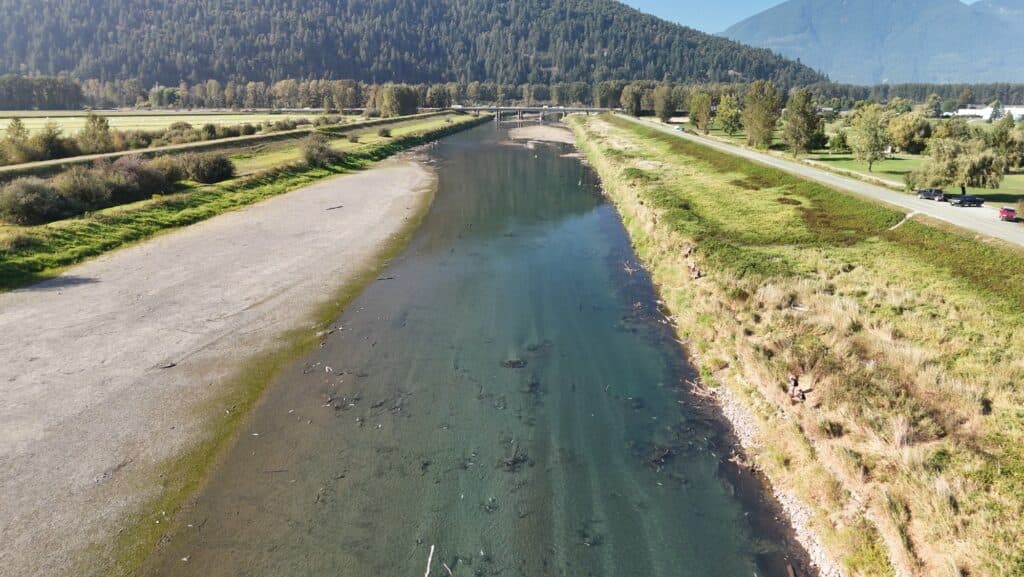
Few species offer more accessible excitement than pink salmon fishing, which return to British Columbia's rivers and beaches every odd-numbered year in massive numbers. Whether casting from shore, drifting a river run, or trolling open water, anglers of every skill level can find consistent action during the summer runs.
This guide covers everything from biology and prime locations to gear, technique, and regulations.
🎣 PINK SALMON SUCCESS WITH BEADNFLOAT:
✅ Standard Presentation - 8-10mm Pink, Peach, Watermelon
✅ Stained Water - 10mm Chartreuse, Hot Pink for visibility
✅ Clear Water - 6-8mm natural tones for selective fish
✅ Odd-Year Runs - Complete range covers all conditions
✅ Beginner Friendly - Aggressive strikers ideal for new anglers
All BeadnFloat soft beads: $7.88/pack | 40+ Colours | Free Shipping $75+
Key Takeaways
- Pink salmon return in odd-numbered years across BC's South Coast
- 8-10mm soft beads match natural size for consistent strikes
- Prime locations include the Fraser, Skeena, Nass and Vancouver Island rivers
- July through September marks peak season across most regions
- Aggressive feeding behavior makes this an ideal species for beginners
Understanding Pink Salmon Biology and Behaviour
Successful trips start with understanding how this species looks, migrates, and feeds throughout its lifecycle.
Physical Characteristics
Pink salmon are easily identified by distinctive features that separate them from other Pacific species.
Key identifying traits:
- Body Shape: Pronounced humpback, especially in mature males
- Coloration: Blue-green back, silver sides, white belly
- Markings: Large oval spots on the tail
- Spawning Colour: Sides shift toward pink/red as they mature
- Size: Smallest Pacific salmon, typically 3-5 pounds
- Compare to: Chinook and Coho salmon for size differences
Migration and Life Cycle
Pink salmon follow a strict two-year life cycle that shapes when and where anglers find them.
Lifecycle stages:
- Hatch and rear briefly in freshwater streams
- Migrate to saltwater almost immediately after emergence
- Spend roughly 18 months feeding and growing in the ocean
- Return to natal streams to spawn on a fixed biennial cycle
- Die shortly after spawning like other Pacific salmon species
- Similar cycle to Chum salmon timing
Feeding Habits and Habitat Preferences
Diet shifts dramatically as pink salmon move between saltwater and freshwater environments.
Feeding patterns:
- Ocean Diet: Small baitfish, crustaceans, zooplankton, squid
- River Diet: Salmon eggs, aquatic insects, small baitfish
- Feeding Style: Opportunistic and aggressive
- Bead Relevance: Egg-imitating presentations trigger strikes reliably
Best Pink Salmon Fishing Locations in Canada
Canada's coastline and river systems provide exceptional access to spawning pink salmon runs.
British Columbia's Prime Rivers
BC hosts the country's most productive runs across numerous accessible systems.
Top BC locations:
- Skeena River: Massive northern runs, excellent shore access
- Nass River: Strong odd-year returns, less pressured water
- Fraser River: Accessible mainstem and tributary fishing
- Vedder River: Popular option similar to Vedder salmon fishing
- Techniques: Trolling and casting soft beads both effective

Vancouver Island Hotspots
Island rivers provide excellent pink salmon opportunities in scenic settings.
Island locations:
- Campbell River: Well-known productive system
- Access: Suits both guided and self-guided trips
- Conditions: Generally clearer water than mainland rivers
- Bead Sizing: 6-8mm often preferred in clearer conditions
Fraser River and Tributary Systems
The Fraser system remains a cornerstone destination for pink salmon anglers.
Fraser system highlights:
- Extensive network of spawning streams and creeks
- Drift fishing and fly fishing both productive
- Easy access from Metro Vancouver
- See also: Complete Fraser River guide
Additional Canadian Locations
Beyond BC's core hotspots, several other regions offer productive runs.
Other notable waters:
- Yukon Rivers: Remote but productive migrations
- Northern BC Streams: Numerous lesser-known systems
- Peak Window: July through September across most regions
- Advice: Always verify local conditions before travelling
| Location | Best Months | Recommended Bead Size | Access Type |
|---|---|---|---|
| Skeena River | Aug-Sept | 8-10mm | Shore, boat |
| Fraser River | Aug-Sept | 8-10mm | Shore, drift boat |
| Campbell River | Aug-Sept | 6-8mm | Shore, guided |
| Vedder River | Sept | 8-10mm | Shore |
Pink Salmon Seasons: Timing Your Trip
Understanding the biennial cycle and regional peak windows helps anglers plan effective trips.
The Biennial Cycle Explained
Pink salmon maintain a strict two-year cycle producing dramatically different run strength by year.
Cycle characteristics:
- South Coast BC sees strong runs in odd-numbered years
- Even years typically produce far fewer returning fish
- Some northern systems run counter to this pattern
- Always confirm the dominant cycle for your target river
Peak Timing by Region
Peak windows shift slightly depending on latitude and river system.
Regional timing guide:
- Southern BC: August through September typically peak
- Northern BC: Late July through August often earlier
- Vancouver Island: August into early September
- Always check: Local DFO Pacific updates before travelling
Weather Considerations
Coastal weather can shift quickly, affecting both comfort and fishing conditions.
Weather planning tips:
- Pack layered clothing for temperature swings
- Rain gear essential on coastal river systems
- Wind affects casting accuracy on open beaches
- Rising water after rain can trigger fresh runs upstream
🎯 PINK SALMON GEAR & TECHNIQUE MATCHUP:
RIVER FISHING SETUP
Rod: Medium-fast action spinning or baitcasting
Line: 8-12 lb monofilament or fluorocarbon
Beads: 8-10mm Pink, Peach
Technique: Drift fishing current seams
Best For: Fraser, Skeere, Vedder systems
BEACH & SALTWATER SETUP
Rod: Medium spinning rod, longer casting distance
Line: 10-15 lb for structure and current
Beads: 8-10mm Watermelon, Hot Pink
Technique: Casting near structure, tidal timing
Best For: Vancouver Island beaches
CLEAR WATER FINESSE
Rod: Light to medium action
Line: 8-10 lb fluorocarbon leader
Beads: 6-8mm natural tones
Technique: Float fishing presentations
Best For: Campbell River, clear tributaries
Essential Gear and Tackle
Proper equipment selection significantly improves consistency when targeting pink salmon.
Rod and Reel Selection
Balanced tackle handles the surprisingly strong fight pink salmon put up despite their smaller size.
Recommended setups:
- Rod Action: Medium to fast action preferred
- Reel Type: Spinning or baitcasting both effective
- Rod Length: 8-9 feet ideal for river presentations
- Drag System: Smooth drag handles sudden runs
Line and Leader Choices
Line selection balances strength with the natural presentation soft beads require.
Recommendations:
- Main Line: 8-15 lb monofilament or fluorocarbon
- Leader: Fluorocarbon preferred for reduced visibility
- Length: 18-24 inches typical for bead rigs
- Knot Strength: Test knots before heavy fishing pressure
Soft Beads: The Preferred Attractant
BeadnFloat soft beads imitate natural roe closely enough to trigger consistent strikes across varied conditions.
Bead advantages:
- Realistic size and colour matching natural eggs
- Durable through multiple hookups
- Available across full 6-19mm size range
- Effective drift, cast, and float presentations alike
Additional Terminal Tackle
Supporting components round out an effective pink salmon rig.
Terminal tackle checklist:
- Hooks: Strong, appropriately sized for the bite size
- Swivels: Prevent line twist on retrieve
- Sinkers: Match weight to depth and current speed
- Pegs: Secure bead placement above the hook
Top Techniques That Consistently Work
Multiple approaches produce well for pink salmon depending on water type and angler preference.
Drift Fishing
Drift fishing remains the most productive method across river systems.
Benefits of drift fishing:
- Covers extensive water efficiently
- Natural presentation matches current speed
- Works exceptionally well with soft beads
- Effective in both clear and stained conditions
Casting Strategies
Additionally casting suits calmer water and shoreline structure fishing.
Casting tactics:
- Target structure like boulders and current breaks
- Accurate placement improves strike rates
- Works well from boats or riverbank positions
- Pair with soft beads for added attraction
Fly Fishing
Alternatively fly fishing offers a rewarding, technical alternative for experienced anglers.
Fly fishing considerations:
- Patterns imitating natural prey work best
- Soft beads can be incorporated into fly rigs
- Requires more precise presentation skills
- Rewarding technique once mastered
Canadian Pink Salmon Regulations
Following current regulations protects populations while keeping anglers compliant.
Licensing Requirements
Valid provincial licensing is mandatory before targeting pink salmon anywhere in Canada.
Licensing essentials:
- Confirm valid fishing license for your province
- Check for species-specific stamps or endorsements
- Some waters require additional permits
- See our complete BC licensing guide
Catch Limits and Size Restrictions
Limits vary by region and are updated regularly to reflect run strength.
Regulation basics:
- Confirm current daily catch limits before fishing
- Note any applicable size restrictions
- Report catches beyond permitted limits appropriately
- Check DFO regional regulations for specifics
Conservation and Protected Areas
Certain areas and periods are protected to support healthy spawning populations.
Conservation practices:
- Respect posted closures and protected spawning channels
- Use barbless hooks where required
- Practice careful catch-and-release handling
- Follow regional variations, as BC rules differ by watershed
10 Expert Tips for Consistent Success
Experience-tested advice improves results beyond simply having the right gear.
Reading Water and Finding Holding Fish
Pink salmon favour predictable lies that experienced anglers learn to recognize.
- Look for slower current seams near structure
- Watch for surface activity indicating holding fish
- Study river shape to locate natural resting points
Timing Around Tides
Tidal movement significantly affects saltwater and estuary success.
- Fish peak tidal movement windows when possible
- Incoming tides often trigger active feeding
- Adjust timing based on local tide charts
Adapting to Changing Conditions
Flexibility separates consistently successful anglers from occasional ones.
- Carry multiple bead sizes and colours for changing clarity
- Adjust depth and weight as flows shift
- Stay mobile if a spot isn't producing
Fighting and Landing Technique
Proper fish-fighting technique reduces lost fish and stress on released catches.
- Maintain steady, gentle pressure throughout the fight
- Stay alert for sudden runs near the net
- Use appropriate landing net sizing
Processing Your Catch
Proper handling after the catch preserves quality for the table.
Cleaning and Filleting
Efficient cleaning technique preserves flesh quality and flavour.
- Use a sharp fillet knife and clean work surface
- Cut behind gills before removing guts
- Rinse fillets thoroughly in cold water
Preservation Options
Multiple preservation methods suit different timelines and preferences.
| Method | Best For | Storage Life |
|---|---|---|
| Freezing | Retaining texture and flavour | 6-9 months |
| Canning | Long-term shelf storage | 12+ months |
| Smoking | Distinct flavour, shorter storage | 1-2 weeks refrigerated |
Simple Preparation Ideas
Pink salmon suits a wide range of straightforward, flavourful preparations.
- Grill fillets marinated in olive oil, lemon, and herbs
- Use fresh catch in salmon salads or tacos
- Smoke with alder or maple wood for rich flavour
- See our best tasting fish guide for more comparisons
YOUR PINK SALMON TRIP STARTS HERE
You now have the complete picture:
- Biology and lifecycle: Two-year cycle, physical identification
- Top locations: Skeena, Fraser, Nass, Campbell, Vedder rivers
- Seasonal timing: July-September peak windows by region
- Gear selection: Rods, line, and terminal tackle recommendations
- Proven techniques: Drift fishing, casting, fly fishing
- Regulations: Licensing, limits, and conservation practices
- Processing tips: Cleaning, preservation, and simple recipes
Ready to stock your tackle box?
🎣 BeadnFloat - Pink Salmon Proven
✅ Standard: 8-10mm Pink, Peach, Watermelon
✅ Stained water: 10mm Chartreuse, Hot Pink
✅ Clear water: 6-8mm natural tones
✅ Beginner-friendly species, proven presentation
✅ Free shipping $75+ | 30-day returns | $7.88/pack
Conclusion: Making the Most of Your Trip
This species offers exceptional accessibility for anglers across every experience level, with reliable runs returning to BC's rivers and beaches every odd-numbered year. Understanding the biennial cycle, prime locations like the Skeena, Fraser, and Campbell rivers, and seasonal timing from July through September sets the foundation for a productive trip.
Matching gear to conditions makes the difference between an average outing and a memorable one. BeadnFloat soft beads in the 6-10mm range consistently trigger strikes by imitating the natural roe pink salmon key in on throughout their spawning migration. Whether drift fishing a river run, casting from a beach, or working a fly through a current seam, the right presentation combined with sound technique delivers results.
Following current regulations protects this abundant resource for future seasons while keeping every trip compliant. With the right preparation, gear, and knowledge from this guide, your next pink salmon outing should deliver plenty of action and a few great meals besides.
FREQUENTLY ASKED QUESTIONS
Q: What size beads work best for pink salmon fishing?
A: 8-10mm covers most conditions for pink salmon. Downsize to 6-8mm in clear water where fish are more selective. Colours like Pink, Peach, and Watermelon perform consistently, with Chartreuse or Hot Pink useful in stained water for added visibility.
Q: When is the best time to fish for pink salmon in BC?
A: Most of BC's South Coast sees strong runs in odd-numbered years, peaking August through September. Northern systems like the Skeena often peak slightly earlier in late July and August. Always confirm current run timing before planning a trip.
Q: Do I need a special license to fish pink salmon in Canada?
A: A valid provincial fishing license is required, along with any applicable salmon conservation stamps. Requirements vary by province and specific water body. See our BC fishing license guide for complete details.
Q: Where are the best spots to target pink salmon in Canada?
A: The Skeena and Nass rivers offer massive northern runs, while the Fraser River and its tributaries provide excellent accessible fishing near Vancouver. Vancouver Island's Campbell River and the Vedder River are also proven producers each season.
Q: What techniques catch the most pink salmon?
A: Drift fishing is generally most productive in rivers, covering water efficiently with a natural presentation. Casting near structure works well in calmer water, and fly fishing offers a rewarding technical alternative for experienced anglers.
Q: Is pink salmon good to eat?
A: Yes, pink salmon has a milder flavour and lighter texture than larger Pacific species, making it versatile for grilling, canning, and smoking. See our best tasting fish guide for comparisons across salmon species.
Q: How do pink salmon differ from other Pacific salmon?
A: Pink salmon are the smallest Pacific species, typically 3-5 pounds, with a distinctive humpback shape in mature males. Compare this to larger species like Chinook or Coho salmon, which run considerably bigger and follow different lifecycle patterns.
Q: Are pink salmon good for beginner anglers?
A: Absolutely. Pink salmon feed aggressively and strike readily, making them an excellent species for building confidence and technique. Their abundance during peak runs also means more opportunities to practice presentations and fighting technique.
Q: What's the difference between odd and even year runs?
A: Pink salmon follow a strict two-year lifecycle, meaning most BC systems see dramatically stronger returns in either odd or even years depending on the dominant cycle for that river. Confirm which cycle applies to your target water before planning a trip.
Q: Should I hire a guide when targeting this species?
A: A guided charter can be valuable, particularly for newer anglers or those fishing unfamiliar water. Guides provide local knowledge of holding spots, effective techniques, and help navigate regulations, often improving results significantly compared to fishing blind.