Salmon Catch and Release: Handling Fish Right
October 19, 2026

Catch and release only works if the fish actually survives the release. That comes down to a handful of habits — how long you fight the fish, how you hold it, how long it's out of the water, and how you let it go. None of it is complicated, but it's easy to get sloppy when there's a bright fish thrashing at your feet.
Why Handling Matters More Than You Think
A salmon that's fought hard and been handled roughly can look fine swimming away and still not make it. The stress of a long fight combines with time out of water and rough handling to tax a fish that may already be well into its spawning run with limited reserves left. The goal on every release is simple: shortest fight, least handling, quickest return to the water.
Set Yourself Up Before You Even Hook Up
Good release outcomes start before the take, with gear matched to the fish and the water. Running gear that's heavy enough to land a fish quickly, rather than a drawn-out fight on light tackle, is one of the simplest things you can control. If you're new to pairing tackle to the drift, our centerpin float fishing guide covers rigging that keeps fights short and fish close.
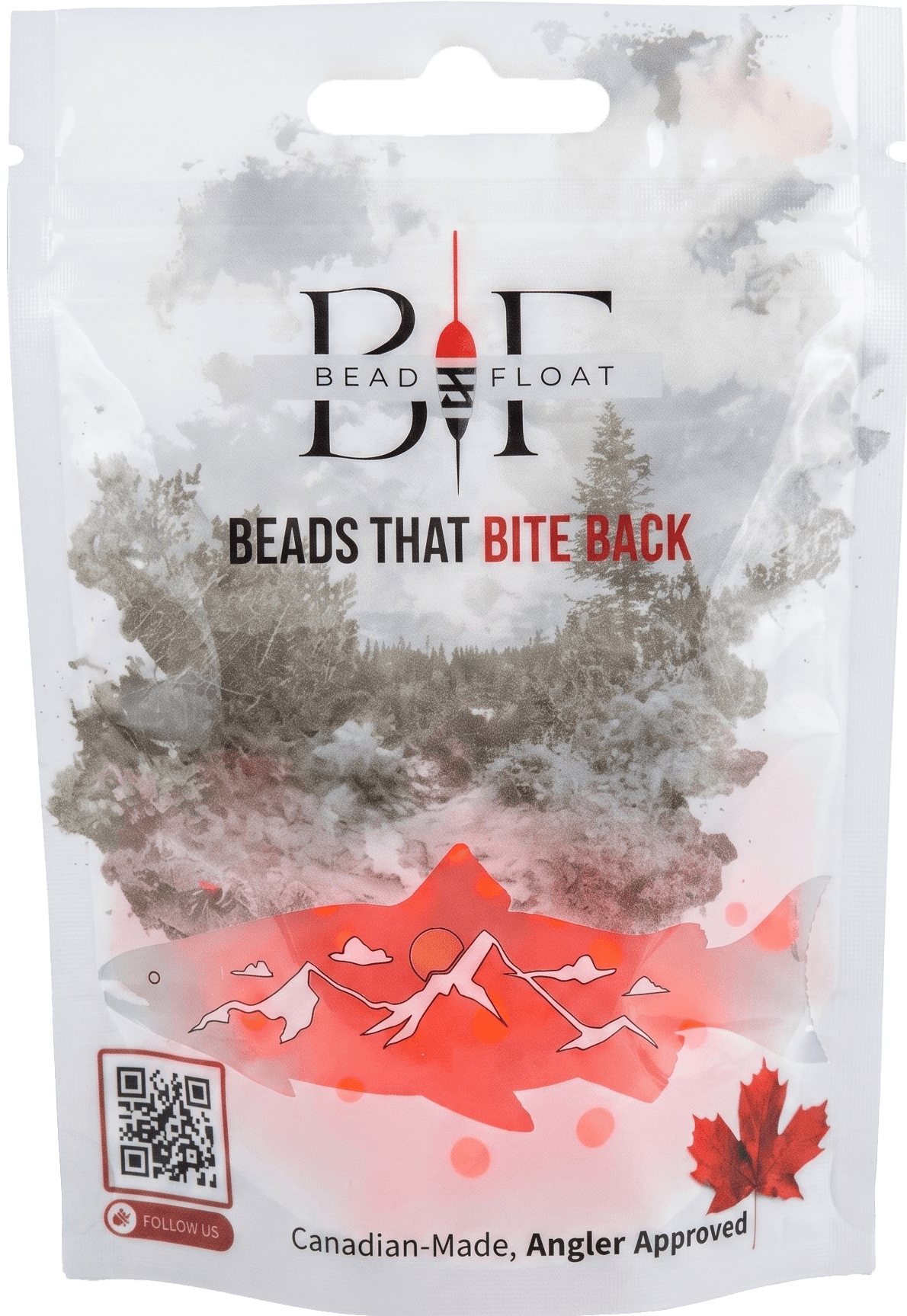
Bait choice plays in too. Soft beads tend to sit in the corner of the jaw rather than get swallowed deep, which makes for an easier, cleaner hook removal. If you're building a leader for this season, our soft beads for salmon guide walks through sizing and rigging, and the bead match tool can help you land on colour and size for the water you're fishing.
Landing the Fish Quickly
The faster you land a salmon, the better its odds once it's released. Keep steady pressure on, avoid letting it sound and sulk if you can help it, and guide it toward slower water or a net rather than dragging the fight out in the current. A long, grinding fight builds up lactic acid in the fish's muscle tissue that it has to recover from after release — sometimes it doesn't.
A net, especially a rubber or soft-mesh one, is worth having along. It controls the fish quickly, protects its slime coat, and keeps you from having to grab or beach a thrashing salmon on rocks.
Keep It in the Water
The single biggest thing you can do for a released fish is keep it in the water as much as possible. Salmon out of water can't move oxygen across their gills properly, and every second on the bank or in the air adds strain. If you want a photo, get it ready before you lift the fish, keep the lift brief, and get it back under the surface right away.
Handle with wet hands or a wet glove rather than dry ones, and skip the dry cloth or dry rocks entirely — removing a salmon's protective slime coat leaves it open to infection even after a clean release.
The Release Itself
A good release is calm, not rushed. Hold the fish upright in the current, supporting it under the belly, and let water move across its gills until it kicks on its own. Don't shove it forward or toss it back in — let it tell you when it's ready to go.
If a fish is hooked deep or bleeding, cutting the leader close to the hook and letting it go rather than digging for the hook is usually the better call. A barbless hook or a bead rig with a well-set jaw hook makes this kind of quick, clean release far more likely in the first place.
Gear That Sets You Up for Clean Releases
The right rig from the start makes release easier on both you and the fish. Soft beads pegged a consistent distance above the hook tend to produce solid corner-of-the-mouth hookups, which means less handling and a faster letgo. Our soft beads come in a range of sizes to match river conditions, and the how-to-fish-soft-beads guide covers peg placement and hook sizing so you're not guessing on the water.
Before you head out, it's worth a quick check of current BC fishing regulations for the water you're on, since release requirements and gear rules can vary by river and by season.
Common questions
Why does fight time matter for catch and release survival?
A long fight builds up lactic acid and exhausts a salmon's energy reserves, so shorter fights with appropriate tackle give released fish a much better chance of recovering.
Should I take a salmon out of the water for a photo?
Keep it brief if you do — have the camera ready first, lift for a few seconds at most, and get the fish back under the surface right away since time out of water strains its gills.
What should I do if a salmon is hooked deep?
Cutting the leader close to the hook and releasing the fish is usually better than digging for a deeply set hook, which can cause more damage and delay the release.
Does gear choice affect how well a fish releases?
Yes — soft beads rigged with proper peg placement tend to produce corner-of-the-mouth hookups rather than deep hooking, making for quicker, cleaner releases.
Ready to put this into practice? Browse our hand-poured soft beads in the shop — orders over $75 ship free across Canada and the US.