Trout Fishing Tips: Catch More with BeadnFloat Soft Worms
June 27, 2025
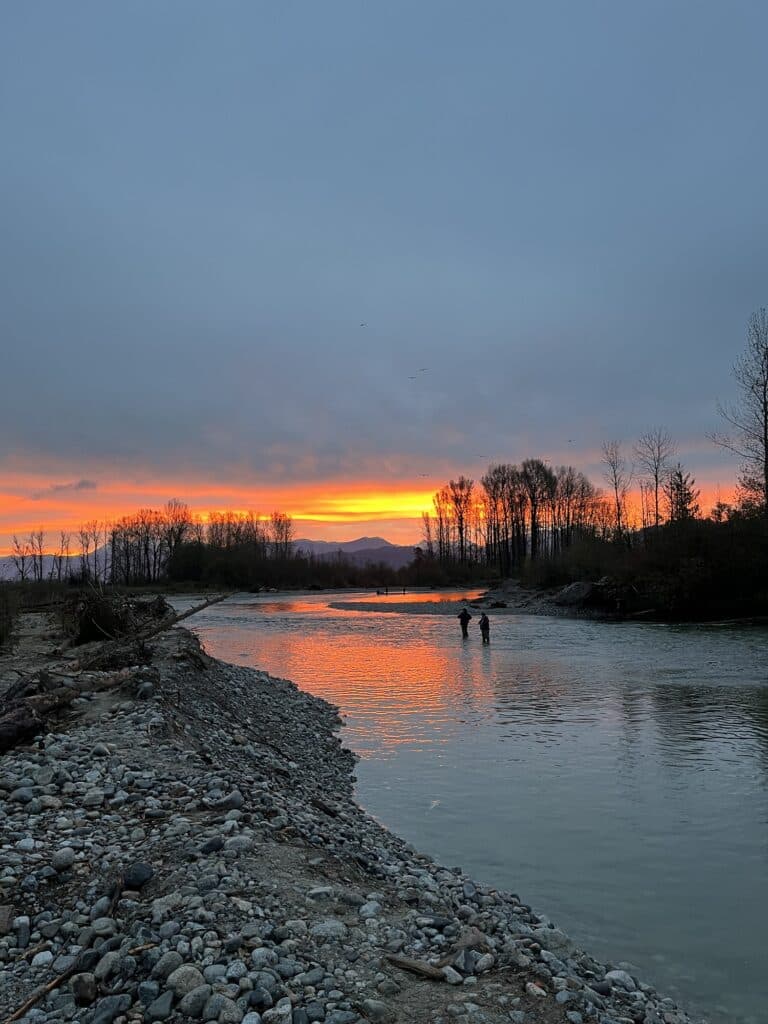
Choosing the right bait is key in trout fishing. At BeadnFloat, we know how important it is to use lures that look and move like real food. This increases your chances of catching trout. We will cover our best trout fishing tips to improve your game.
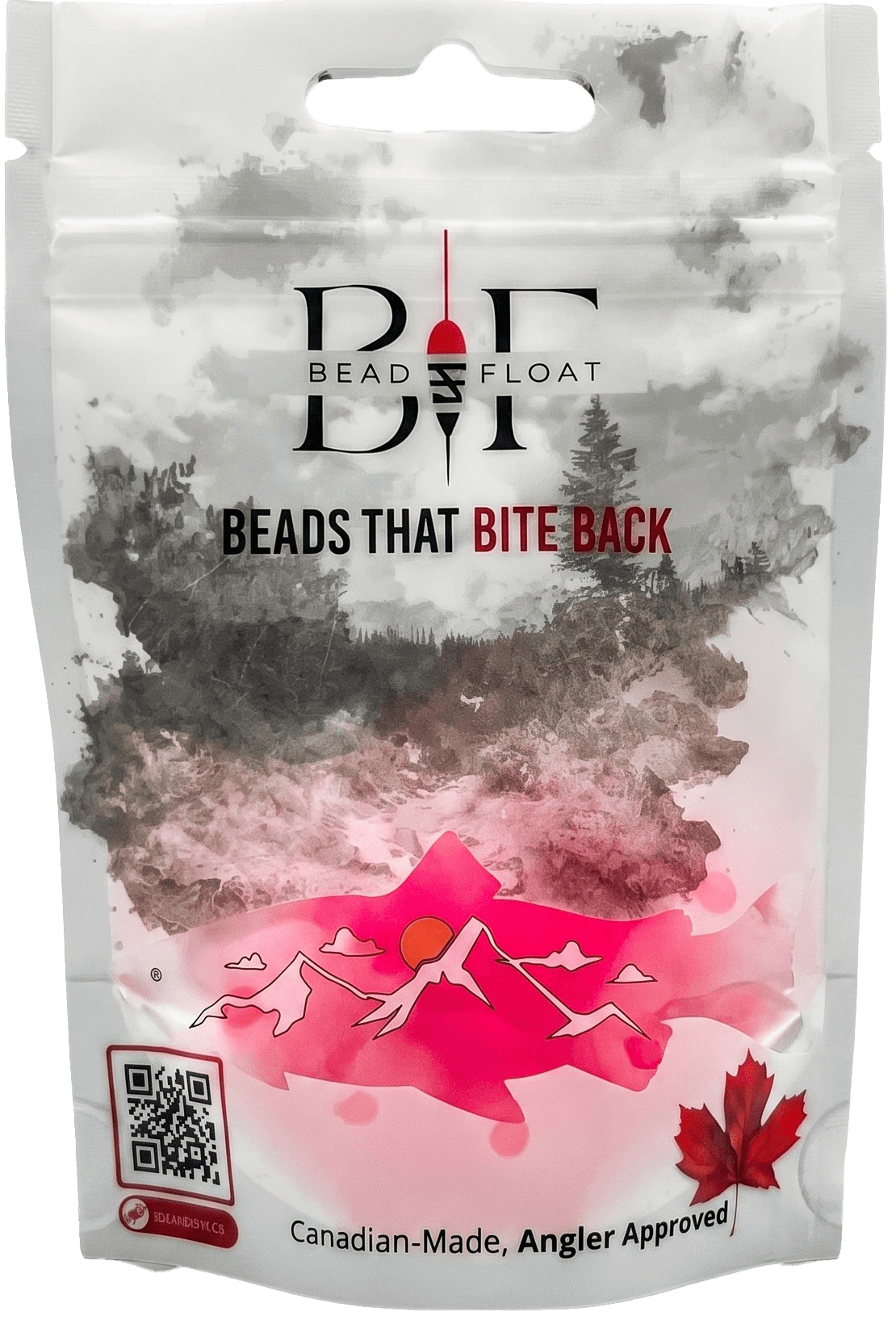
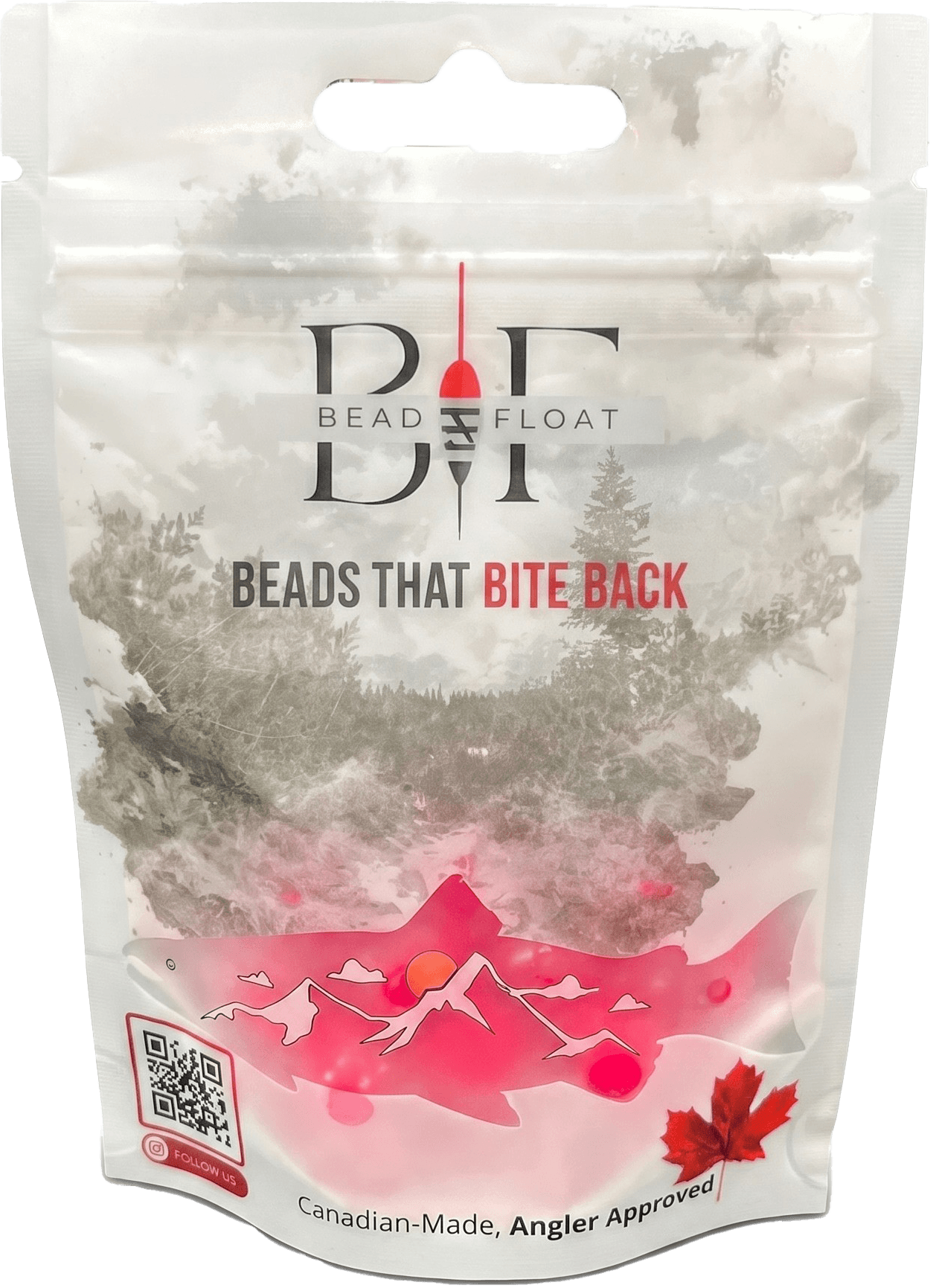
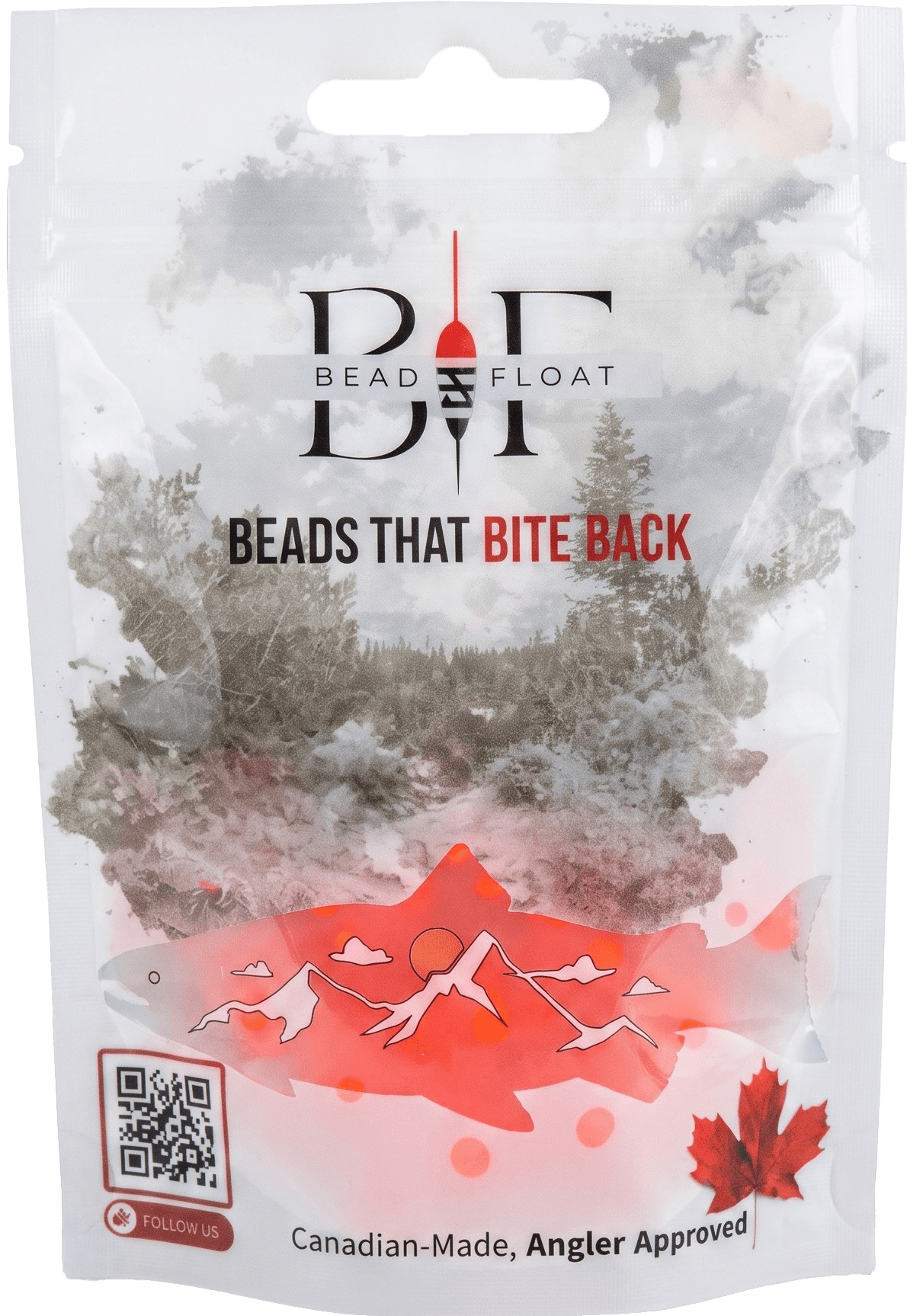
Our soft worms are 2.5" and 3" long. They look and move like trout's favourite food - natural eggs. Adding BeadnFloat's soft worms to your tackle will help you catch more trout.
Whether you're an experienced angler or new to trout fishing, our tips are for you. We focus on the importance of good equipment and bait. With BeadnFloat, you're picking a brand that values quality and results.
Key Takeaways
- Using the right bait is key for catching trout.
- BeadnFloat's soft worms look like natural eggs, attracting trout.
- Our soft worms are available in 2.5" and 3" sizes for different fishing needs.
- BeadnFloat focuses on quality and effectiveness in our products.
- Using our soft worms can improve your trout fishing experience.
Understanding Trout Behavior in Canadian Waters
Canadian waters are home to a variety of trout habitats. Knowing how trout behave can make fishing better. Their actions change with the seasons, water temperature, and what they eat.
Seasonal Patterns of Trout Movement
Trout move around based on the season. In spring, they go to shallower waters to spawn. During summer, they seek cooler, deeper waters. In fall, they move back to shallower areas to eat before winter.
Knowing these patterns helps anglers pick the best times and places to fish.
"The key to successful trout fishing is understanding their behavior and adapting your strategy," says a seasoned angler. "By recognizing the seasonal patterns of trout movement, anglers can significantly improve their chances of catching trout."
How Water Temperature Affects Trout Activity
Water temperature is key for trout activity. They prefer temperatures between 10°C and 18°C. When it gets too warm, they hide in deeper or shaded areas. In cold water, their metabolism slows, changing their eating habits.
- Optimal water temperature for trout activity: 10°C to 18°C
- Trout seek deeper waters when temperatures rise
- Cold water slows down trout metabolism
Recognizing Trout Feeding Habits
Trout eat what they can find, like insects, crustaceans, and small fish. Knowing what they eat helps anglers pick the right bait. Soft worms, for example, look like their natural food.
Understanding trout behavior helps anglers catch more fish. Whether in Eastern Canada or the central provinces, knowing how to adapt to local trout behavior is essential.
Essential Trout Fishing Tips for Success
Success in trout fishing comes from the right gear, tactics, and timing. Knowing how trout behave and how to present your lure or bait is key. This knowledge can boost your catch rate.
Reading Water Currents Effectively
Understanding water currents is key for trout fishing success. Trout like areas where currents bring them food and comfort. Look for rocks, weed beds, and drop-offs as these spots are often busy with trout.
To read water currents well, watch for surface disturbances or changes in water texture. A polarized lens can help you see better beneath the surface by reducing glare.
| Current Speed | Trout Behavior | Recommended Action |
|---|---|---|
| Slow | Trout are less active, often hiding in cover. | Use subtle presentations, like a soft worm. |
| Moderate | Trout are active, feeding on bait carried by the current. | Employ a natural drift or use a weighted line to reach the bottom. |
| Fast | Trout seek refuge behind structures. | Target areas behind boulders or sunken logs. |
Approaching Fishing Spots Without Spooking Fish
Quietly and unnoticed is key when approaching your fishing spot. Trout can easily be spooked by loud movements. Wear muted colors and avoid casting shadows on the water.
Move slowly and deliberately when approaching. Keep a low profile and cast from a distance to avoid startling the fish.
Timing Your Fishing Trips for Maximum Results
The timing of your fishing trip greatly affects your success. Trout are more active at certain times and in specific weather conditions.
Early morning and late evening are best, as trout are more active in cooler periods. Overcast days are also good, as they hide your presence and encourage trout to come out.
Using the right gear, tactics, and timing your trip based on trout behavior can greatly improve your fishing. Having the right equipment is also essential for presenting your lure or bait effectively.
Why Soft Worms Are Game-Changers for Trout Fishing
Soft worms have changed the game in trout fishing. They move naturally and last long. Anglers love them because they work well in many water types.
Natural Movement That Triggers Strikes
Soft worms look and move like real prey. This makes trout want to bite them. It's a great way to catch more fish.
They look just like worms and leeches, which are trout's favorite snacks. This makes them very good at getting bites.
Versatility Across Different Water Conditions
Soft worms work in all kinds of water. They're perfect for clear streams and murky lakes. They're a must-have for any fisherman.
| Water Condition | Soft Worm Effectiveness |
|---|---|
| Clear Water | Highly effective due to natural appearance |
| Murky Water | Effective due to vibration and scent |
| Fast Currents | Effective when weighted properly |
Durability and Cost-Effectiveness
Soft worms are tough and can handle lots of fishing. They last a long time, saving you money. You don't have to buy new ones all the time.
"Soft worms have revolutionized my trout fishing experience. Their durability and natural movement have significantly increased my catch rate."
Choosing soft worms means you'll catch more fish. They're great because they move like real food, work in many places, and last a long time. They're perfect for catching trout.
Introducing BeadnFloat Soft Worms: Features and Benefits
BeadnFloat Soft Worms are changing trout fishing in Canada. They have a new design and features. This makes them a top choice for anglers.
BeadnFloat Soft Worms come in different sizes for various fishing needs. The 2.5" model is great for catching cautious trout. It offers a subtle yet enticing presentation that boosts your chances of catching trout.
The 2.5" Model: Perfect for Cautious Trout
The 2.5" BeadnFloat Soft Worm is made for finicky trout. Its small size and lifelike movement are perfect for catching trout in pressured waters.
The 3" Model: Ideal for Trophy Hunting
For trophy trout, the 3" BeadnFloat Soft Worm is the best choice. Its larger size and scent emission make it irresistible to big trout. This increases your chances of a successful catch.
Unique Materials and Scent Technology
BeadnFloat Soft Worms are made with unique materials. They have a realistic texture and movement, mimicking natural prey. The advanced scent technology makes them even more appealing. This helps anglers learn how to catch trout effectively.
"The right gear can make all the difference in trout fishing. BeadnFloat Soft Worms have become a staple in my tackle box." - Experienced Angler
Color Selection for Various Canadian Waters
BeadnFloat Soft Worms come in many colors. This lets anglers pick the best shade for their fishing spot. Whether in clear or murky waters, there's a color that will attract trout.
Choosing BeadnFloat Soft Worms can make trout fishing in Canada more successful. It doesn't matter where you are or what the conditions are.
Top 5 Rigging Techniques for BeadnFloat Soft Worms
To catch trophy trout, you need to know the best ways to rig BeadnFloat soft worms. Different rigging methods can greatly affect your success. Learning these techniques can make you a better trout fisherman.
Drop Shot Method for Deep Pools
The drop shot method works well for deep pools. It suspends the soft worm above the bottom, attracting trout at different depths. This method uses a weight below the lure, making the worm float naturally and tempting to trout.
Wacky Rig for Suspended Trout
The wacky rig is great for catching trout that are suspended in the water. It rigs the soft worm through the middle, creating a natural action that draws trout. This is perfect for clear water where trout are wary of fast-moving lures.
Carolina Rig for Covering Ground
The Carolina rig is perfect for fishing large areas and finding trout on the bottom. It uses a swivel to connect the line to a weighted bead and then to the soft worm. This method presents the lure effectively without scaring trout, making it a key technique.
Jig Head Techniques for Current
Jig head techniques are essential in current. They help you control the soft worm and present it naturally to trout. Adjusting the jig head's weight keeps the lure in the strike zone, even in fast water, boosting your catch rate.
Mastering these top 5 rigging techniques for BeadnFloat soft worms can greatly improve your trout fishing success. Whether you're experienced or new, using these techniques will help you catch more trout and enjoy your fishing more.
Best Trout Fishing Locations Across Canada
Canada's trout fishing spots range from British Columbia's stunning landscapes to Nova Scotia's historic waters. Each place has its own charm and challenges. Let's explore the best spots across the country.

Prime Eastern Canadian Trout Waters
Eastern Canada is known for its rich water ecosystems. Places like Nova Scotia, New Brunswick, and Newfoundland have plenty of trout. These areas are perfect for trout fishing.
"The rivers and lakes in Eastern Canada offer amazing trout fishing. You'll find brook trout and rainbow trout in the cold, clear waters," says an experienced angler.
- Nova Scotia's Margaree River is famous for its brook trout.
- New Brunswick's Miramichi River is great for salmon and trout.
- Newfoundland's wilderness lakes are full of brook trout.
Western Canadian Trout Hotspots
Western Canada, including British Columbia and Alberta, has incredible trout fishing spots. The area's varied landscapes, from mountain streams to large lakes, support trout habitats.
British Columbia is known for its trout fishing. Its lakes and rivers are home to rainbow trout and cutthroat trout.
- The Kootenay River is famous for its large rainbow trout.
- Alberta's Bow River is known for world-class trout fishing.
- Lake Louise in Banff National Park is a beautiful spot for trout fishing.
Hidden Gems in Central Provinces
Ontario and Quebec have many trout fishing spots. From Algonquin Park's rugged wilderness to the Laurentians' serene lakes, there's something for everyone.
Ontario's lakes and rivers are filled with brook trout, rainbow trout, and lake trout. It's a paradise for anglers.
- Algonquin Park's lakes offer great trout fishing.
- The Kawartha Lakes region is known for smallmouth bass and trout.
Urban Fishing Opportunities for Trout
Many Canadian cities offer trout fishing spots close to home. Urban lakes and river parks provide a quick and easy fishing experience.
"Urban fishing can be just as rewarding as wilderness fishing. It's convenient and fun," says an urban angler.
| City | Location | Species |
|---|---|---|
| Toronto | High Park | Rainbow Trout |
| Vancouver | Stanley Park | Cutthroat Trout |
| Montreal | Lachine Canal | Brook Trout |
Seasonal Trout Fishing Tips for Canadian Waters
As the seasons change, so do the tactics for successful trout fishing in Canadian waters. Understanding and adapting to these seasonal changes is key for a good catch.
Spring Tactics When Waters Warm
In spring, trout get more active as the water warms up. We suggest using soft worms that look like the natural baitfish and insects trout eat. Look for shallow bays and inlets where the water warms up faster.
Summer Approaches for Pressured Fish
In summer, trout get more cautious because of more fishing. To tackle this, use smaller, more subtle presentations. BeadnFloat Soft Worms in smaller sizes work well when fished gently.
Fall Feeding Frenzies
In fall, trout feed more aggressively before winter. This is a great time for more aggressive presentations and larger soft worms. Look for areas with lots of food, like weed beds and drop-offs.
Winter Techniques for the Dedicated Angler
Winter trout fishing needs patience and the right techniques. Use small, slow-moving presentations that mimic natural food sources. Ice fishing with BeadnFloat Soft Worms is very effective.
By changing our trout fishing tactics with the seasons, we can greatly improve our chances of a successful catch in Canadian waters.
Complementary Gear to Maximize Your BeadnFloat Experience
To get the most out of BeadnFloat soft worms, you need the right gear. The right rod, reel, line, and terminal tackle can make a big difference. They can make soft worm fishing more effective.
Rod and Reel Combinations for Soft Worm Fishing
Finding the right rod and reel is key. You want something that's sensitive but strong. A medium-light to medium action rod is best for trout fishing with soft worms. It lets you feel bites and can handle big trout.
Choose a spinning reel with a smooth drag system. This makes the soft worm move naturally and helps avoid tangles.
Line Selection for Different Scenarios
Choosing the right line depends on the water. For clear water, use a fluorocarbon line. It's almost invisible underwater. In murkier waters, a monofilament or braided line with a fluorocarbon leader works better.
The line's strength is also important. Use at least 4-6 lb test line for most trout fishing.
Terminal Tackle That Enhances Performance
Terminal tackle, like hooks and sinkers, is key. A jig head or drop shot rig is great. They let the worm move naturally with the current.
Choosing the right hook size is important. A hook that's too big can scare trout away. One that's too small might not hold the fish well.

By picking the right gear and combining it well, anglers can increase their chances of catching trout with BeadnFloat soft worms.
Troubleshooting Common Trout Fishing Challenges
Canadian waters are known for great trout fishing, but anglers face many challenges. These include changing weather and finicky trout. With the right strategies, these obstacles can be overcome.
Adapting to Changing Weather Conditions
Weather greatly affects trout fishing. Temperature, wind, and rain changes how trout behave. Anglers need to adjust their tactics to match these changes.
- Monitor weather forecasts to anticipate changes.
- Adjust your presentation according to the weather.
- Be prepared to change locations if necessary.
Overcoming Fishing Pressure on Popular Waters
Popular spots often have too many anglers, making it hard to catch trout. Fishing during off-peak hours or in less crowded areas helps. Using less common lures or flies can also make a difference.
- Fish during early morning or late evening.
- Explore new or less known fishing spots.
- Use unique lures or flies to stand out.
Solutions for Ultra-Clear Water Situations
Fishing in clear water is tough because trout see everything. Use small, natural-looking lures that mimic their prey. Bright or flashy lures should be avoided.
Dealing with Finicky, Educated Trout
In areas with lots of fishing, trout can become hard to catch. Use subtle presentations and avoid detection. Small, realistic lures or flies increase your chances.
Understanding and adapting to these challenges can improve your trout fishing. It can also increase your chances of catching a fish.
Conclusion: Elevate Your Trout Fishing Game with BeadnFloat
Adding BeadnFloat soft worms to your trout fishing gear can really boost your success. Our guide has given you trout fishing tips and best trout fishing techniques for catching more trout in Canadian waters.
We've talked about how to understand trout behavior, read water currents, and pick the right gear. BeadnFloat's soft worms, combined with our top trout fishing gear, make a great team. They can take your fishing to the next level.
At BeadnFloat, we're all about helping you reach your fishing dreams. Our products are made to give you the best fishing experience. By choosing BeadnFloat, you're choosing quality and satisfaction.
Try these strategies and products on your next fishing trip. With BeadnFloat, you're on your way to becoming a better and more confident trout angler.