Vedder River Summer Chinook: The Complete Chilliwack Guide
July 10, 2026
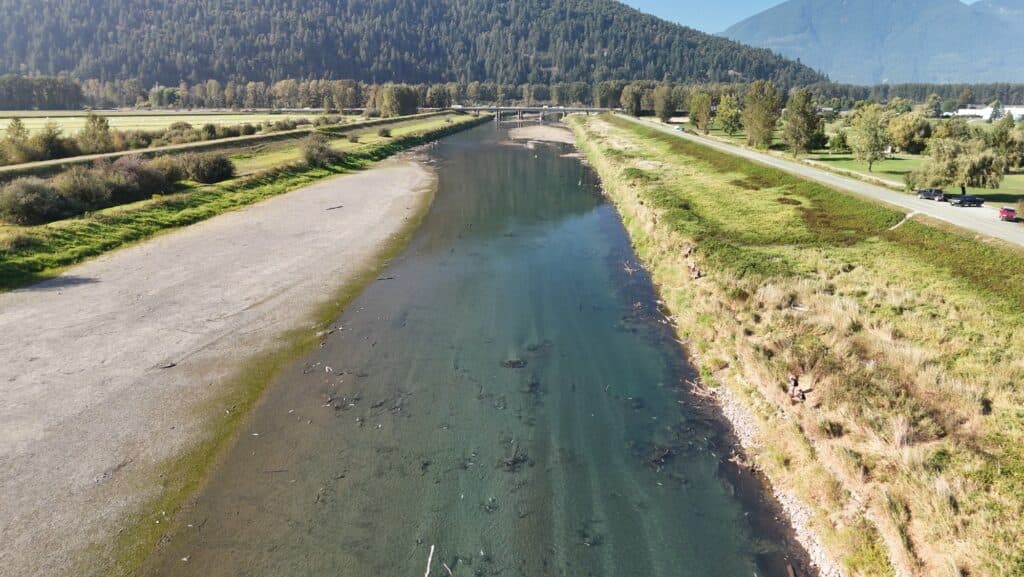
Every July, a unique and hard-fighting run of salmon pushes into the Chilliwack/Vedder River that isn't found in most of British Columbia's southwestern streams. Known locally as "red springs" for their distinctive red flesh, these fish arrive as the river reopens after its June closure, kicking off one of the Fraser Valley's most anticipated summer fisheries.
This guide covers everything needed to target Vedder River Summer Chinook successfully: identification, run timing, prime locations, proven gear, and current regulations.
🎣 VEDDER RIVER SUMMER CHINOOK ESSENTIALS:
✅ Clear Summer Water - 12-14mm Hot Pink
✅ Stained Conditions - 14mm Cerise, Watermelon Mottled
✅ Low Light / Early Morning - Natural tones for wary red chinook
✅ Deep Chutes & Pools - Heavier weighted rigs recommended
✅ Complete Range - 12-16mm covers all summer conditions
All BeadnFloat soft beads: $7.88/pack | 40+ Colours | Free Shipping $75+
Key Takeaways
- Red-fleshed summer chinook are present roughly June through August
- The river reopens July 1 after its seasonal June closure
- Peak fishing runs from July through mid-August before fish begin spawning
- Fish average 6-15 pounds but can push past 25 pounds
- 12-14mm soft beads in natural and blood red tones produce consistently
Understanding the Vedder River Summer Chinook Run
Before heading to the water, it helps to understand exactly what sets this run apart from the river's other chinook returns.
What Makes Vedder River Summer Chinook "Red Chinook"
The Fraser Valley hosts a genetically distinct summer chinook population not found in most southwestern BC streams. Unlike the white-fleshed fall chinook that enter later in the year, this run is prized specifically for its deep red flesh.
Defining characteristics:
- Flesh Colour: Deep red, distinct from white-fleshed fall chinook
- Local Name: Commonly called "red springs" or simply "springs"
- Origin: A genetically distinct run specific to the Fraser Valley
- Colour in River: Fish darken from chrome to deep red as they hold in the system
- Table Quality: Highly regarded for eating, similar to other top-tasting salmon species
Vedder River Summer Chinook Size and Fighting Ability
Despite averaging smaller than the river's fall run, these fish are known among Fraser Valley anglers as some of the hardest-pulling salmon available.
Size and behaviour notes:
- Average Weight: 6-15 pounds typical
- Trophy Potential: Fish approaching 25-30 pounds do get caught
- Fighting Style: Powerful runs, often compared to steelheading
- Behaviour: Schools of fish push through in waves rather than a steady trickle
- Comparison: Smaller but scrappier than fall Vedder Chinook
Vedder River Summer Chinook Season Timing
Timing is everything with this fishery, since the window is narrower than the river's fall salmon runs.
When Summer Chinook Enter the Vedder River
The river closes each June to protect the earliest arrivals before reopening for the season's main event.
Seasonal timeline:
- June: Seasonal closure protects early-arriving fish
- July 1: River reopens to fishing for the summer run
- July-Mid August: Bulk of the run pushes through the system
- Late August-Early September: Stragglers continue entering
- Early August Onward: Fishing tapers as fish begin spawning activity
Peak Weeks for Vedder River Summer Chinook
Rather than a steady trickle, this run tends to arrive in surges that create short windows of exceptional fishing.
Peak timing patterns:
- Fish often arrive in schools of four to five, pushing upstream together
- Some days produce excellent numbers; the next day can be quiet
- Persistence and frequent trips improve odds during the peak window
- Water conditions in July typically run high to medium
- Prime water clarity is roughly 1.5 feet of visibility or better
Best Locations for Vedder River Summer Chinook
The Chilliwack/Vedder system offers extensive water, but certain stretches consistently hold summer chinook.
Vedder Crossing and Popular Access Points
Well-known landmarks along the river provide reliable access, though they can draw crowds during peak weeks.
Popular access areas:
- Vedder Crossing: Classic water with consistent holding fish
- Keith Wilson Bridge: Easily accessible, can get busy
- Tamihi Area: Productive pools with room to spread out
- Railway Bridge and Peach Road: Additional popular access points
- See our complete Vedder River fishing guide for detailed access information

Reading Chutes and Pools for Summer Chinook
Because summer water levels tend to run low, fish concentrate in specific structure types rather than spreading throughout the river.
Structure to target:
- Deep Chutes: Look for pockets over 5 feet deep
- Head of Pools: Fish often stage at the top of deeper runs
- Shaded Water: Overhanging cover provides comfort in low, clear summer flows
- Quiet Side Spots: A short walk from busy access points often reveals less-pressured water
- Timing Within the Day: Early morning, right at first light, is consistently most productive
| Period | Run Status | Water Conditions | Recommended Bead Size |
|---|---|---|---|
| Early July | Run building | High to medium | 12-14mm |
| Mid-Late July | Peak numbers | Medium, clearing | 12-14mm |
| Early-Mid August | Peak tapering | Low, clear | 10-12mm |
| Late August-Sept | Stragglers only | Variable | 12mm |
🎯 VEDDER RIVER SUMMER CHINOOK BEAD SELECTION:
CLEAR WATER PRESENTATIONS
Water: Low, clear summer flows (common by August)
Beads: 12mm Natural Roe, subtle tones
Leader: Light fluorocarbon (10-12 lb) for wary fish
Approach: Stealthy presentation, avoid spooking holding schools
STANDARD SUMMER CONDITIONS
Water: Typical July medium flows
Beads: 12-14mm Blood Red, Cerise
Leader: 12-15 lb fluorocarbon
Approach: Float fishing through chutes and pool heads
STAINED OR HIGH WATER
Water: Following summer rain events
Beads: 14mm Orange Blaze, Watermelon Mottled
Leader: 15 lb fluorocarbon, heavier weight to reach depth
Approach: Focus on deep chutes fish use for cover
Gear and Tackle for Vedder River Summer Chinook
Because summer flows run lower and clearer than fall conditions, gear selection differs somewhat from the river's autumn fishery.
Rod, Reel, and Line Setup
Balanced tackle handles the surprising power of these fish without overwhelming the finesse summer conditions often demand.
Recommended setup:
- Rod: 9-10 foot medium-heavy float rod
- Reel: Centerpin or quality spinning reel with smooth drag
- Mainline: 12-15 lb monofilament
- Leader: 10-15 lb fluorocarbon, lighter in clear conditions
- Float: Heavier floats needed to reach fish holding deep
BeadnFloat Soft Beads for Red Chinook
BeadnFloat soft beads provide a realistic, durable alternative to cured roe for targeting this run.
Bead recommendations:
- Primary Size: 12-14mm covers most conditions
- Top Colours: Blood Red, Natural Roe, Cerise
- Stained Water: Orange Blaze, Watermelon Mottled for visibility
- Alternative Baits: Cured salmon roe and dyed prawns also produce well
- Compare Options: See our full Chinook salmon fishing guide for colour and size charts
Additional Terminal Tackle
Rounding out the rig with the right supporting components improves hookup consistency.
Terminal tackle checklist:
- Hooks: Size 1-2 octopus style, strong enough for powerful runs
- Weight: Adjustable split shot to match current speed and depth
- Pegs: Secure bead placement 18-24 inches above the hook
- Swivels: Prevent line twist during long drifts
Proven Techniques for Vedder River Summer Chinook
A handful of core techniques account for the majority of fish landed during this fishery each season.
Float Fishing the Summer Run
Float fishing remains the dominant method, whether presenting soft beads, roe, or dyed prawns.
Key float fishing tactics:
- Suspend bait or beads under a float sized to the water depth
- Use heavier floats and weight to reach fish holding in deep chutes
- Maintain a natural, drag-free drift through likely holding water
- Watch closely for subtle takes, as strikes can be gentle
Casting Spinners and Spoons
An active alternative for anglers who prefer covering water rather than fishing a single drift repeatedly.
Casting considerations:
- Effective when float fishing pressure is heavy elsewhere
- Cast and retrieve through deeper runs and pool heads
- Be mindful of nearby float anglers to avoid tangles
- Works particularly well in slightly stained water
Reading Water and Timing Your Day
Small adjustments to when and where you fish often matter more than gear choice alone.
Timing and positioning tips:
- Fish early morning or the last light of evening for best results
- Focus on deep pools and the head of runs during low summer flows
- Watch for jumping fish, which often signals a school has arrived
- Move locations if a normally productive spot stays quiet for an hour or more
Vedder River Summer Chinook Regulations
Regulations for this fishery are updated regularly and differ from the river's fall season, so confirming current rules before each trip is essential.
Retention Limits and Identification
Because sockeye and summer chinook often overlap in the system, correct identification matters for compliance.
Regulatory basics to confirm each season:
- Adult Chinook Definition: Fish over 62cm on the Chilliwack/Vedder River
- Retention Windows: Daily and seasonal limits vary by date and are updated annually
- Sockeye Overlap: Sockeye often cannot be retained even though they may be present; know the visual differences
- Licensing: Valid BC tidal or non-tidal license required as applicable
- Always verify current limits through DFO's Region 2 regulations page
Identifying Chinook vs Other Species
With multiple species present simultaneously, accurate identification protects fish you're not permitted to retain.
Key identification points:
- Chinook: Small spots across the back and entire tail, black gum line
- Sockeye: Typically spotless and silver until near spawning grounds
- Spawning Sockeye: Body turns red with a green head near spawning areas
- See our BC fishing license guide for current licensing requirements
Tips for Consistent Vedder River Summer Chinook Success
Experienced local anglers rely on a handful of habits that consistently separate productive trips from slow ones.
Adapting to Low Summer Water
Unlike the higher flows of fall, summer conditions concentrate fish in fewer, more predictable locations.
- Focus exclusively on water deep enough to hold fish comfortably
- Skip shallow, featureless stretches that held fish in higher flows
- Expect fewer productive spots overall, but higher fish density within them
Common Mistakes to Avoid
A few recurring errors account for most missed opportunities during this fishery.
- Fishing too late in the morning once direct sun hits the water
- Using leaders too heavy for clear, low summer conditions
- Overlooking quiet water just steps from crowded, popular access points
- Ignoring current regulation updates between fall and summer seasons
Building Local Knowledge
Local tackle shops and fishing reports provide valuable real-time intelligence on run strength and location.
- Check current fishing reports before planning a trip
- Local tackle shops near the river often know what's producing that week
- Weekday mornings typically see less fishing pressure than weekends
GEAR UP FOR VEDDER RIVER SUMMER CHINOOK
Everything covered in this guide:
- Run identification: Red-fleshed summer chinook, distinct from fall run
- Timing: July 1 reopening through mid-August peak
- Locations: Vedder Crossing, Tamihi, deep chutes and pool heads
- Gear: 12-14mm soft beads, medium-heavy float rod, fluorocarbon leader
- Techniques: Float fishing, casting spinners, early morning timing
- Regulations: Confirm current limits and correct species identification
Ready for this summer's run?
🎣 BeadnFloat - Vedder Summer Chinook Proven
✅ Clear water: 12mm Natural Roe, subtle tones
✅ Standard conditions: 12-14mm Blood Red, Cerise
✅ Stained water: 14mm Orange Blaze, Watermelon Mottled
✅ Field-tested on Chilliwack/Vedder summer runs
✅ Free shipping $75+ | 30-day returns | $7.88/pack
Conclusion: Making the Most of the Vedder River Summer Chinook Run
The return of red-fleshed summer chinook each July marks one of the Fraser Valley's most anticipated fishing windows, offering hard-fighting salmon in a river that reopens fresh after its June closure. While the run is smaller and more compressed than the Vedder's larger fall fishery, few salmon pull harder pound-for-pound, and few runs reward local knowledge quite as directly.
Success comes down to timing your trips around the July through mid-August peak, focusing effort on deep chutes and pool heads during typically low summer flows, and adjusting presentation to match water clarity. BeadnFloat soft beads in the 12-14mm range, fished under a float through likely holding water, consistently produce on this run whether conditions run clear or slightly stained.
Because regulations shift between seasons and years, always confirm current retention limits and species identification before keeping any fish. With the right timing, gear, and a willingness to walk past the crowds to quieter water, the Vedder River Summer Chinook fishery delivers some of the most exciting salmon action British Columbia's Lower Mainland has to offer.
FREQUENTLY ASKED QUESTIONS
Q: What exactly is a Vedder River Summer Chinook?
A: Vedder River Summer Chinook, often called "red springs," are a genetically distinct run of chinook salmon found in the Fraser Valley. Unlike the white-fleshed fall chinook that arrive later in the year, this run is prized for its deep red flesh and typically enters the river from June through August.
Q: When does the Vedder River open for summer chinook fishing?
A: The Chilliwack/Vedder River typically reopens July 1 after a seasonal June closure protecting early-arriving fish. The bulk of the summer chinook run pushes through from July into mid-August, with stragglers continuing into early September.
Q: What size beads work best for summer chinook on the Vedder?
A: 12-14mm covers most summer conditions. Use Hot Pink in clear low-water conditions, and upsize to 14mm Orange Blaze or Watermelon Mottled in stained water following rain events.
Q: How big do Vedder River Summer Chinook get?
A: They average 6-15 pounds, smaller than the river's fall chinook run, though fish approaching 25-30 pounds are caught each season. Despite the smaller average size, they're known for exceptionally strong, steelhead-like fighting ability.
Q: Where are the best spots to fish for this run?
A: Deep chutes over 5 feet, pool heads, and shaded holding water throughout the Vedder Crossing and Tamihi areas produce consistently. Since summer flows run lower and clearer, fish concentrate in fewer, more predictable locations than during the fall season.
Q: What techniques work best for this fishery?
A: Float fishing with soft beads, cured roe, or dyed prawns is the most productive method. Casting spinners and spoons offers an effective alternative, particularly in slightly stained water or when float fishing pressure is heavy.
Q: Can I keep sockeye salmon while fishing for chinook on the Vedder?
A: Generally no. Sockeye often cannot be retained even though they're present in the system alongside summer chinook. Learning to identify each species accurately is essential, since sockeye are typically silver and spotless until near spawning grounds.
Q: What are current retention limits for this run?
A: Retention limits vary by date and are updated annually, with different rules often applying before and after specific dates in late summer. Always verify current limits through DFO's Region 2 regulations before keeping any fish.
Q: What time of day is best for targeting summer chinook?
A: Early morning, right at first light, is consistently the most productive window, along with the last light of evening. Fishing tends to slow once direct sun hits the clear, low summer water typical of this fishery.
Q: Do I need different gear than fall Vedder chinook fishing?
A: Largely similar gear works, though summer's typically lower, clearer water often calls for lighter leaders and more natural bead colours than the bright presentations that excel in fall's higher, stained flows. See our full Chinook salmon fishing guide for a complete seasonal comparison.